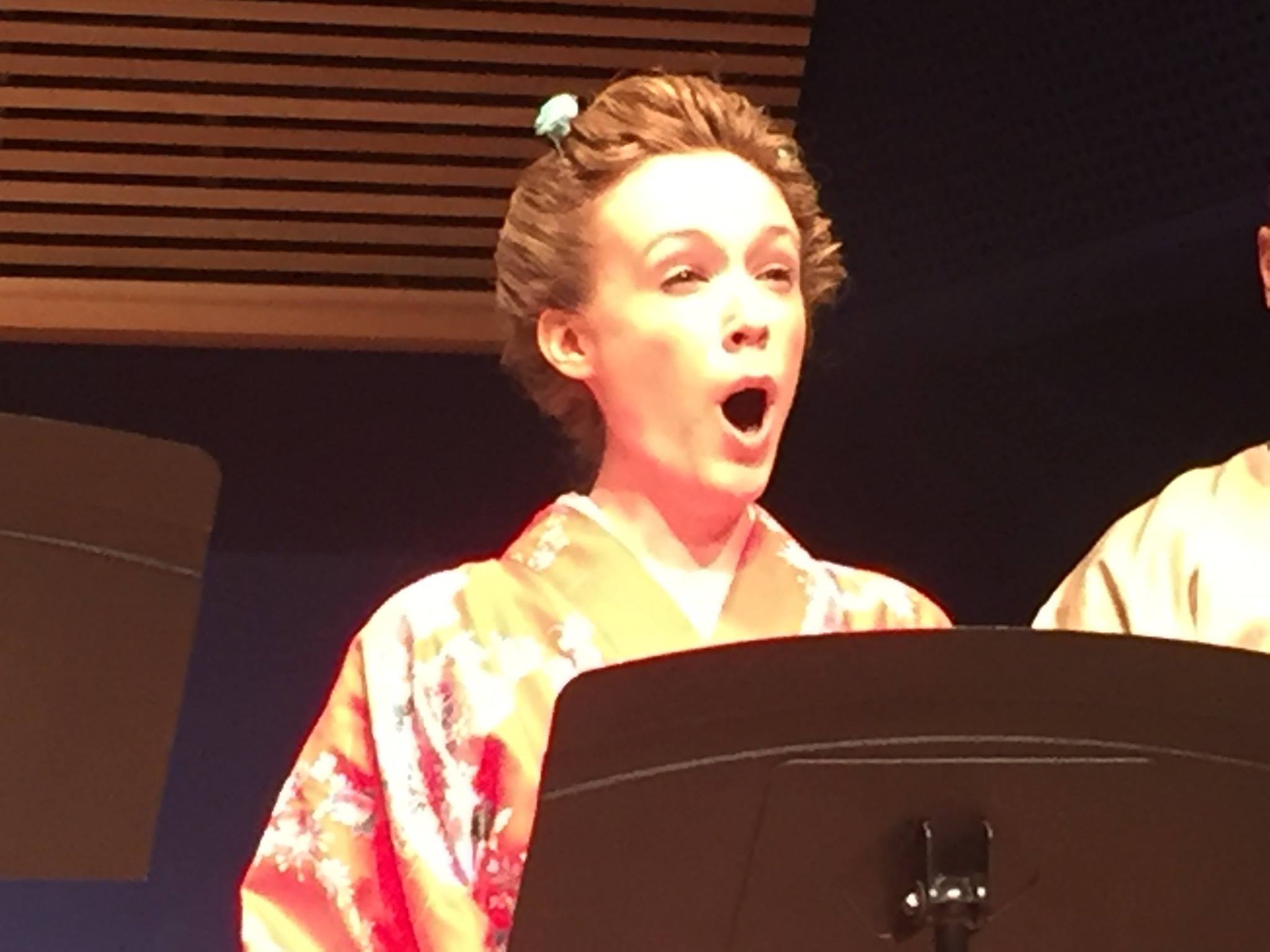
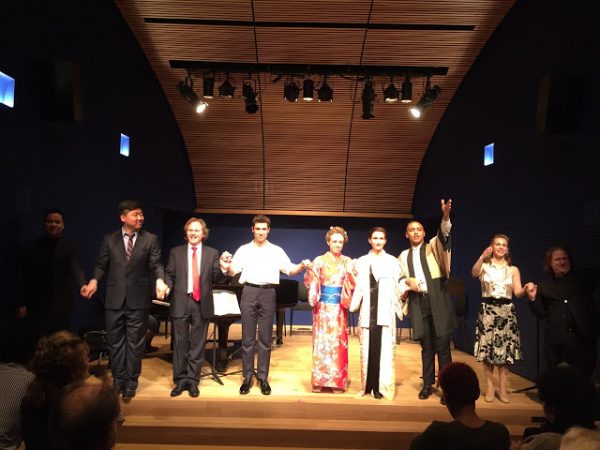
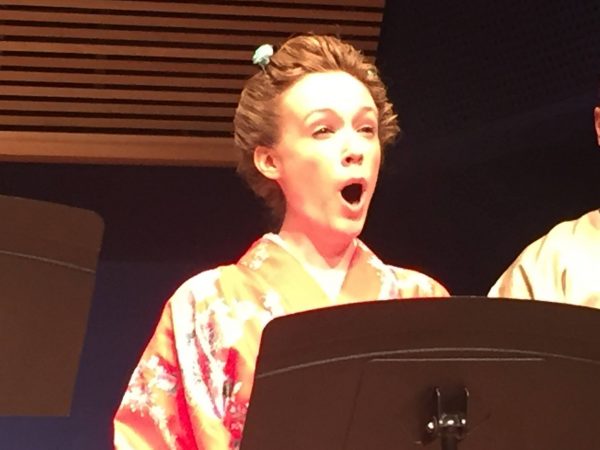
Wonderful review for Artists Without Walls’ member, soprano Ashley Bell, in “Voce di Meche” which reviews the performing arts with an emphasis on young artists and small opera companies. Ashley performed the role of Cio-Cio San in Madama Butterfly at the New York Opera Collaborative at The National Opera Center last night.
“Ashley Bell wore the role of Cio-Cio San as well as the kimono and tabi she sported. The intensity of her “Un bel di” was shattering and she brought every skill in her armamentarium to bear on her delivery. The remainder of her performance was marked by a bright clear tone, excellent phrasing, and a wide palette of colors. She convinced us as a naive and hopeful 15-year-old, a deluded bride, an angry woman when challenged, and a resolute and noble figure who refuses to live without honor. It was a bit difficult to imagine her motherly feelings without a child present but the colors of her voice did the trick.”
This past Thursday, Lehman College: The City and Humanities Program and the CUNY Institute for Irish-American Studies sponsored a performance of Charles R. Hale’s “Musical History of the Lower East Side,” celebrating the music of a neighborhood from which many of our nation’s ethnic groups can trace their origins.
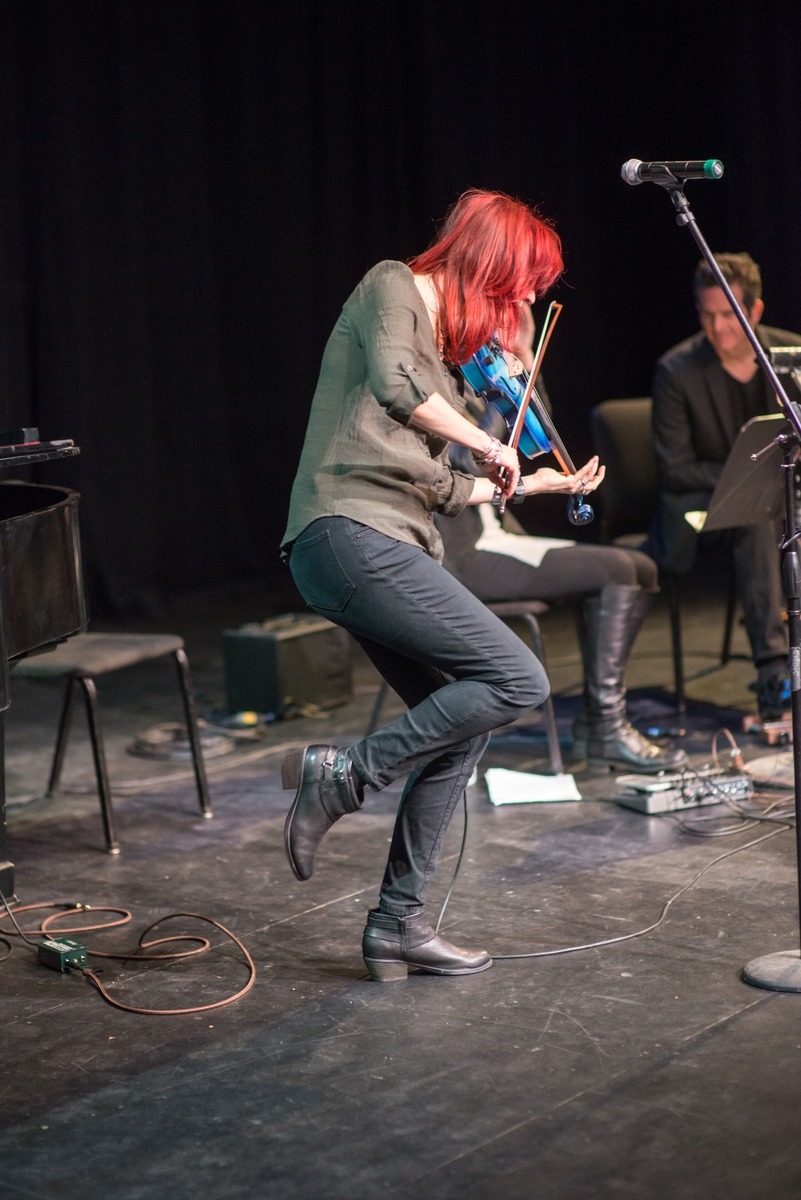
In the 1840s, almost half of America’s immigrants were from Ireland. Often leaving behind famine and poverty, the Irish would often sing ballads steeped in nostalgia and self-pity, and despite the troubles they’d left, singing the praises of their native soil. The Irish also brought Celtic music. Melodies common to fiddlers throughout Scotland and Ireland were transferred nearly intact to the American fiddle tradition. Deni Bonet performed one such tune that has remained a bluegrass fiddler favorite, “Red Haired Boy.”
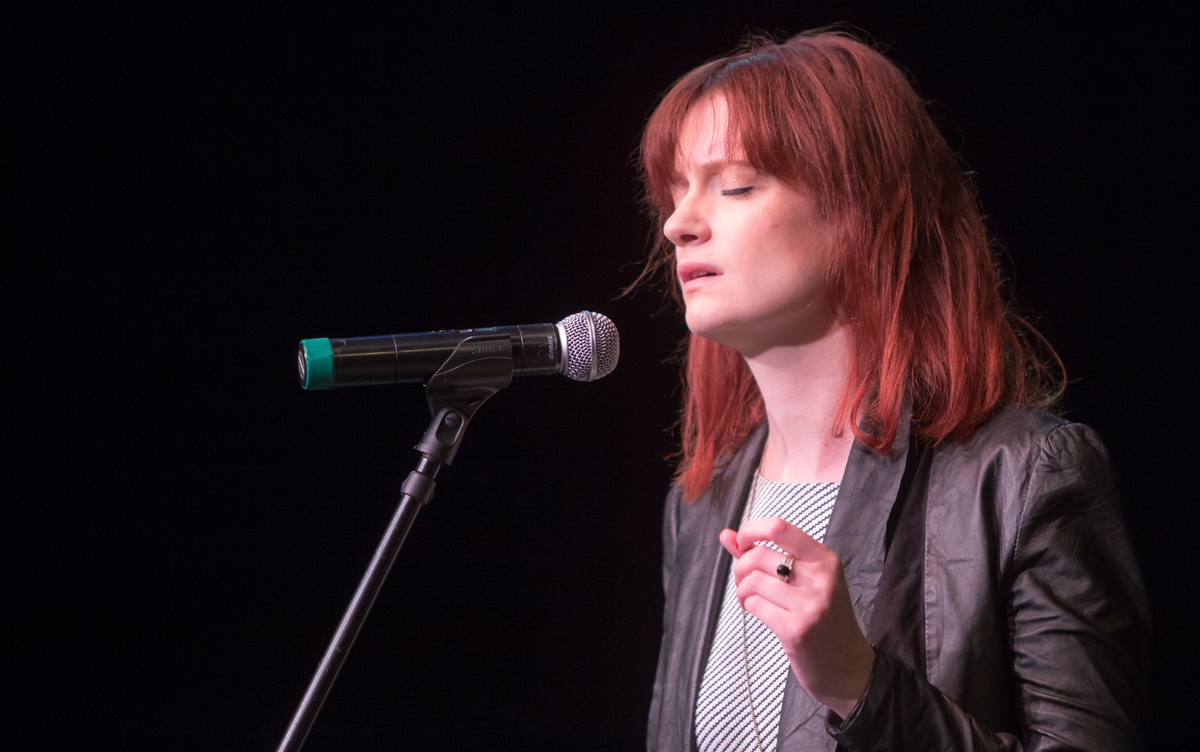
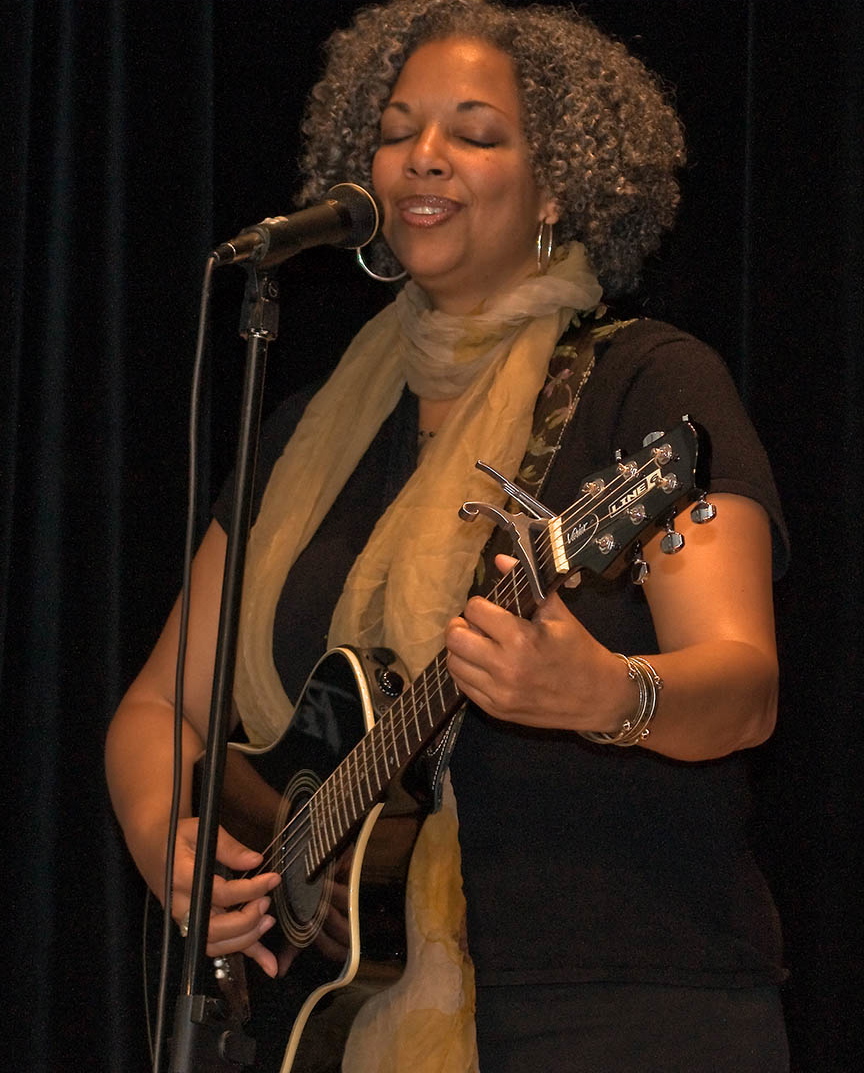
Stephen Foster, who’s often referred to as “the father of American music,” moved to the Bowery in 1860. Foster was primarily known for his parlor music and minstrel music. Niamh Hyland, with accompaniment from Deni and Noah Hoffeld, sang two popular Foster tunes, “Hard Times Come Again No More,” 1854, and “Slumber My Darling,” 1862.
Niamh Hyland
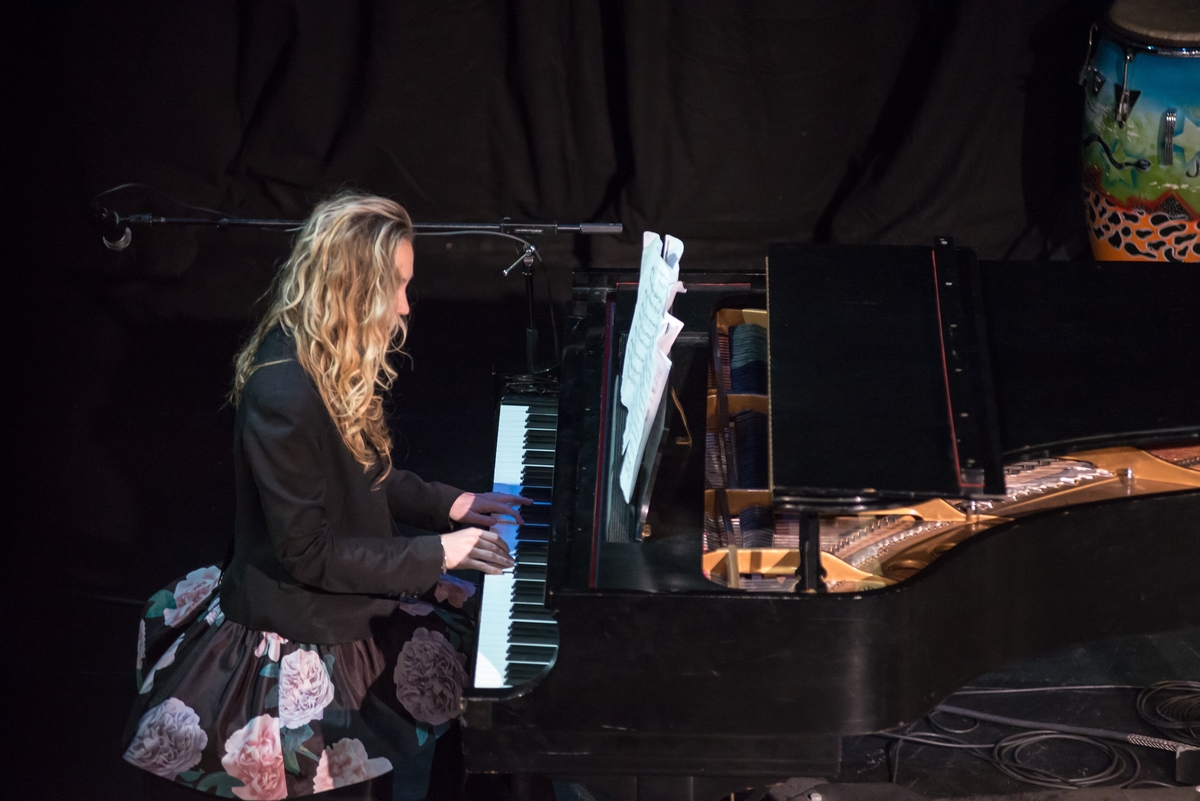
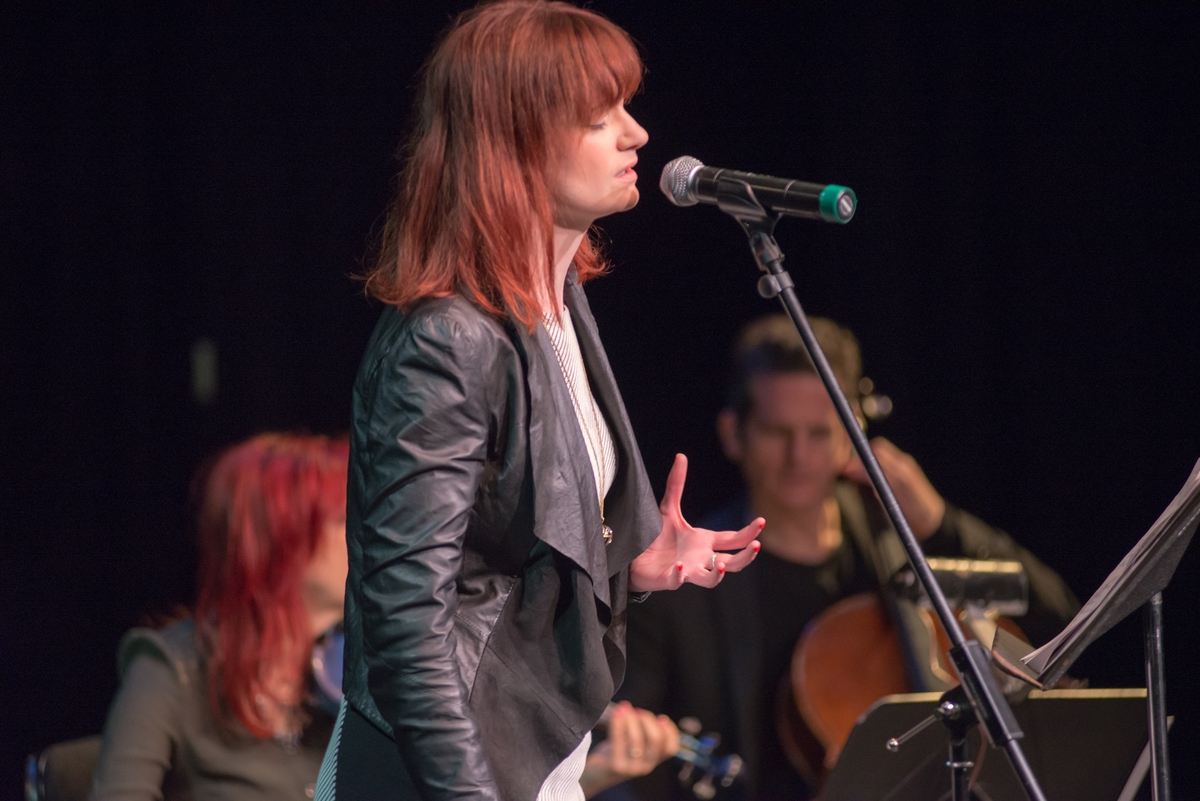
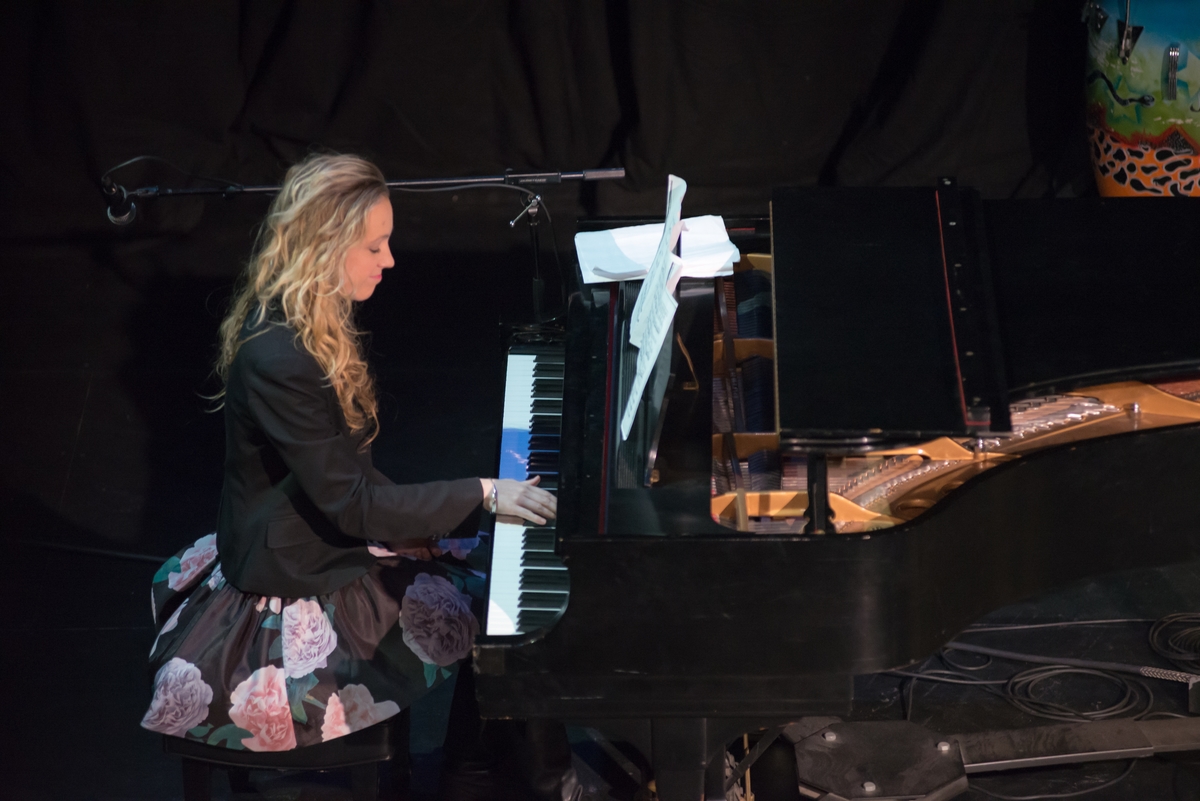
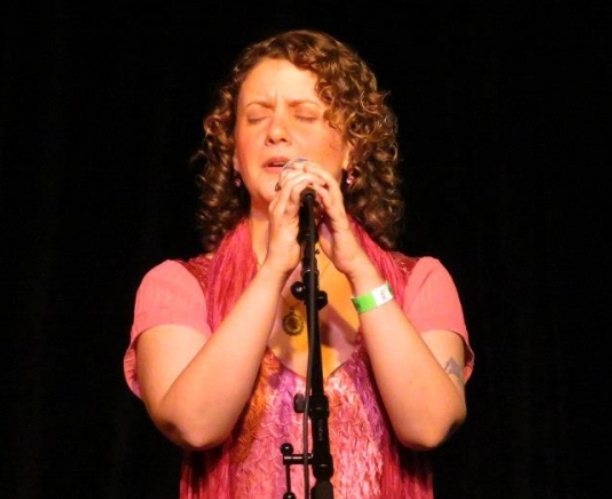
A steady stream of Italian immigrants began arriving in America in the late nineteenth and early twentieth centuries. Italians from Naples and Southern Italy brought with them a traditional form of singing called Neapolitan music. In New York City, Italian tenors Enrico Caruso and Beniamino Gigli popularized such songs as “O Sole Mio,” “Funiculi Funicular” and “Non ti Scordar di me,” which was performed by soprano Ashley Bell. Italian immigrants also helped popularize the Metropolitan Opera, which debuted a number of Italian operas, including Giacomo Puccini’s Gianni Schicchi in 1918. Ashley performed the opera’s most popular aria “O Mio Bambino Caro.”
Ashley Bell
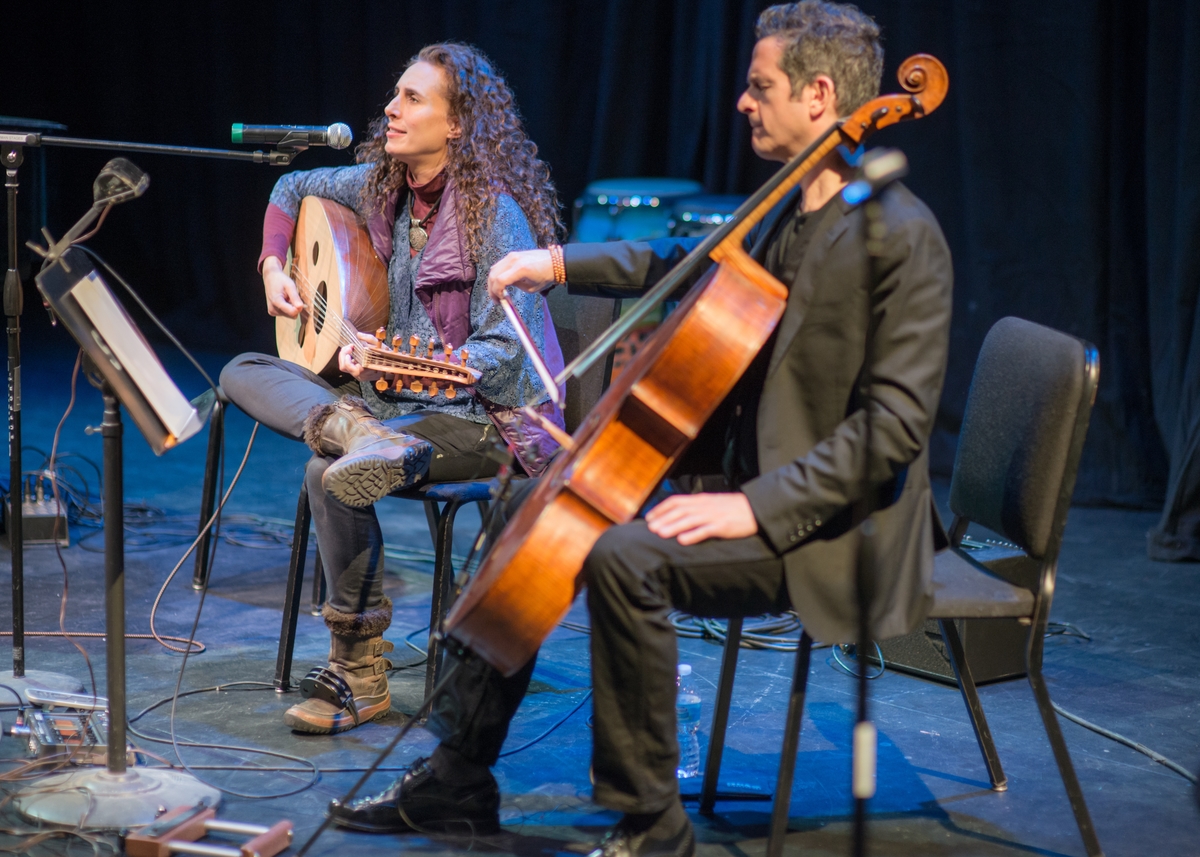
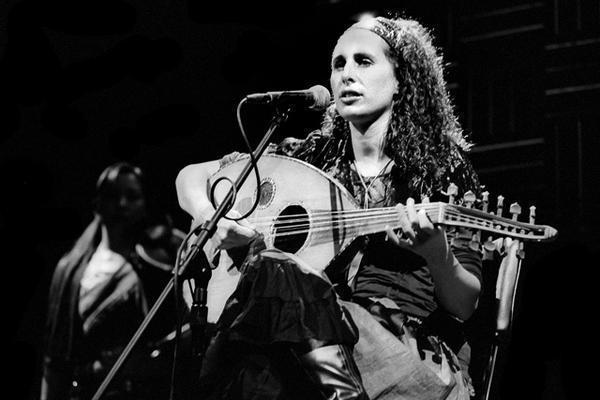
The Lower East Side is especially remembered as a place of Jewish beginnings in America. Between 1880 and the start of World War I in 1914, about 2 million Yiddish speaking Jews left Eastern Europe and Russia where pogroms and persecution made life unbearable. While Jewish composers, many of whom lived on the Lower East Side, were influential in creating the American Songbook, they also brought a great deal of European music with them as well. Basya Schechter and Noah Hoffeld captured the spirit of the past with two Yiddish songs, “Oyfn Pripetchik” and “Shnirele Perele”
Basya Schechter and Noah Hoffeld
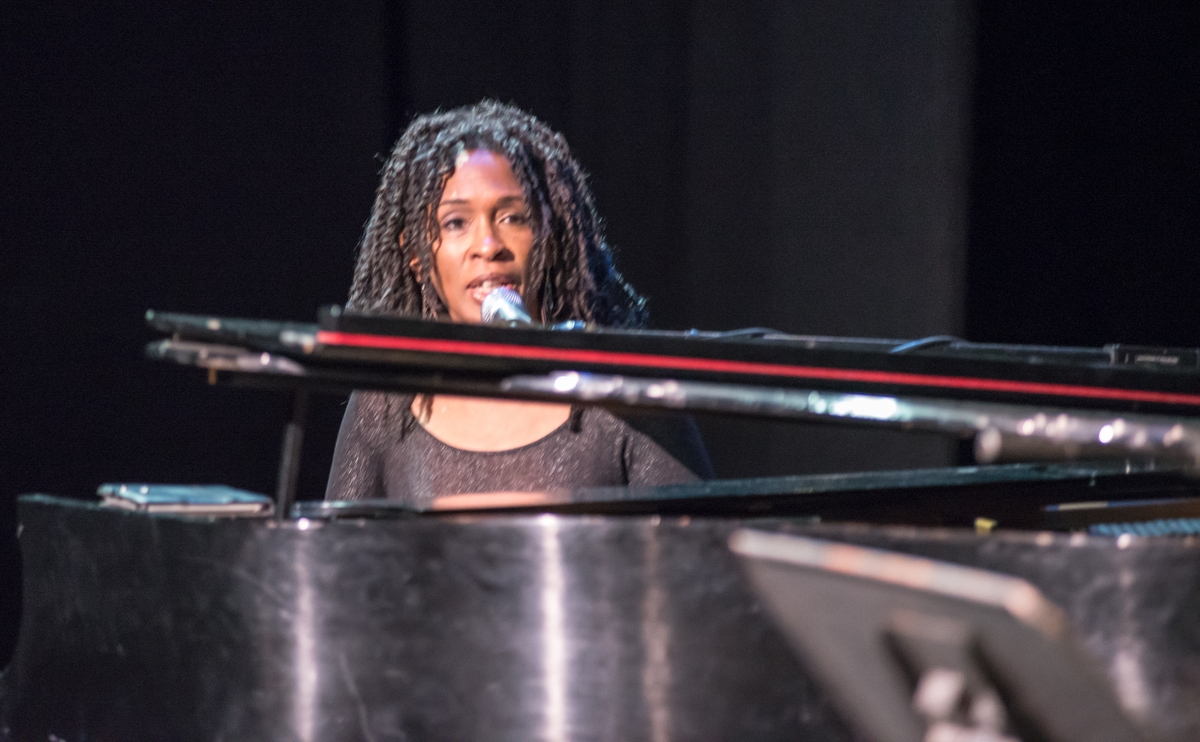
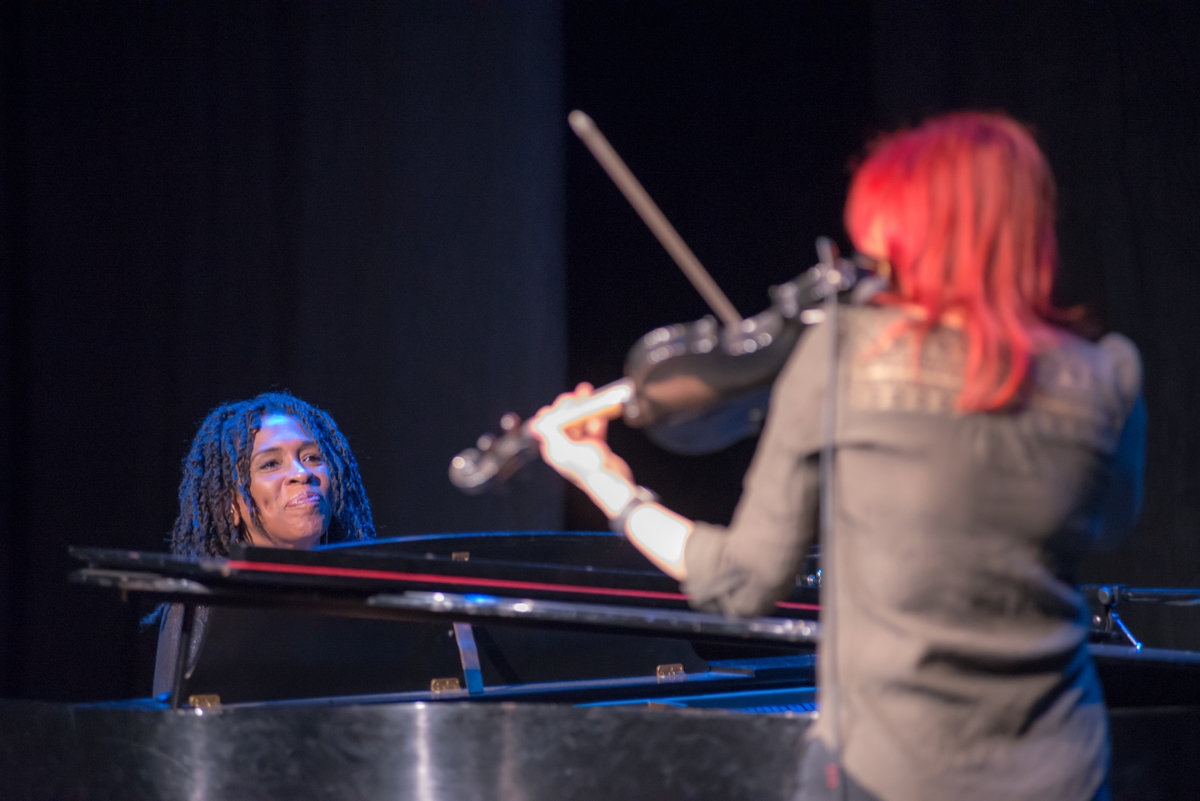
George and Ira Gershwin were composers who were raised on the Lower East Side. George’s classical music such as Rhapsody in Blue, his opera Porgy and Bess and his many show tunes remain popular today, but he also teamed up with brother Ira to write “I Got Rhythm,” “The Man I Love” and “Someone to Watch Over Me,” which was performed by jazz pianist and vocalist Mala Waldron with accompaniment from fiddler Deni.
In the mid 1950s many artists and musicians were drawn to the neighborhood around the Bowery by cheaper rents. The Five Spot Café, a jazz club located between 4th and 5th Streets, staged jam sessions with some of the giants of jazz: Thelonius Monk, Charles Mingus, John Coltrane, and Lower East Side resident, Charlie Parker. Waldron, accompanied once again by Deni, performed a Parker favorite “Embraceable You.”
Mala Waldron
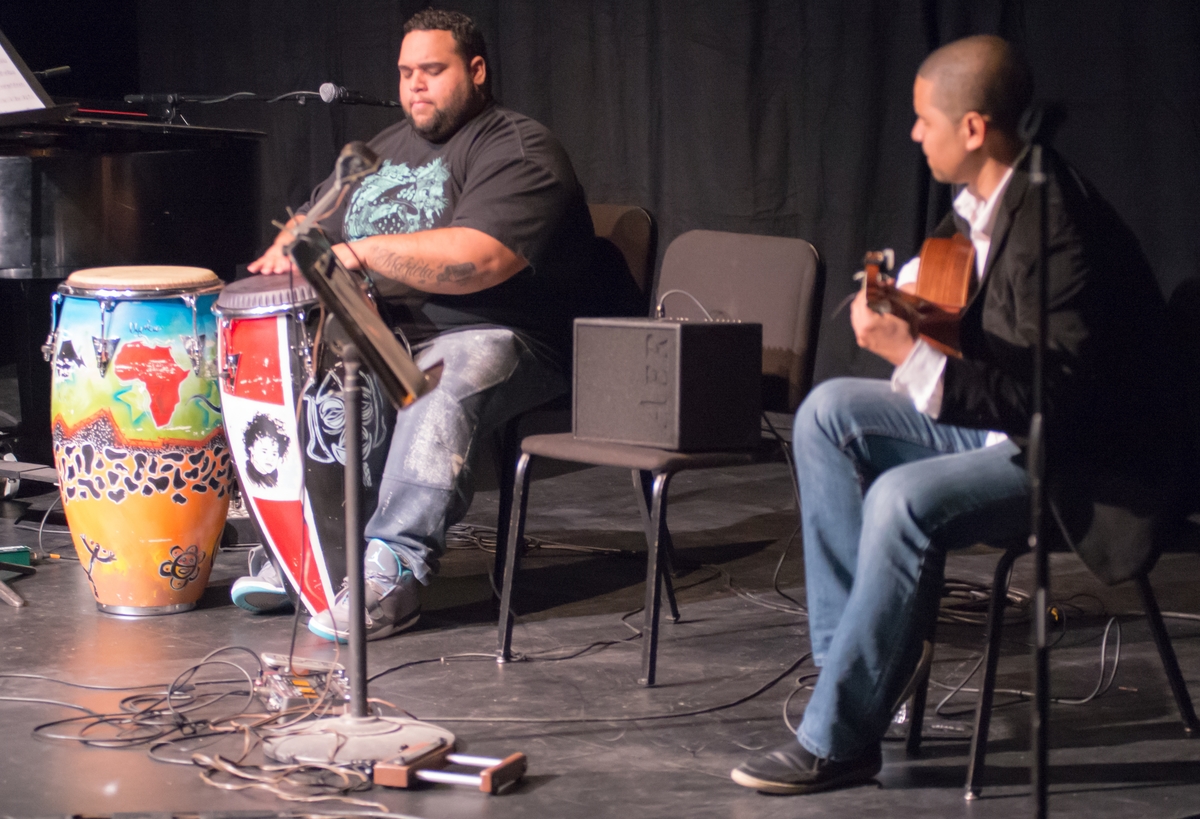
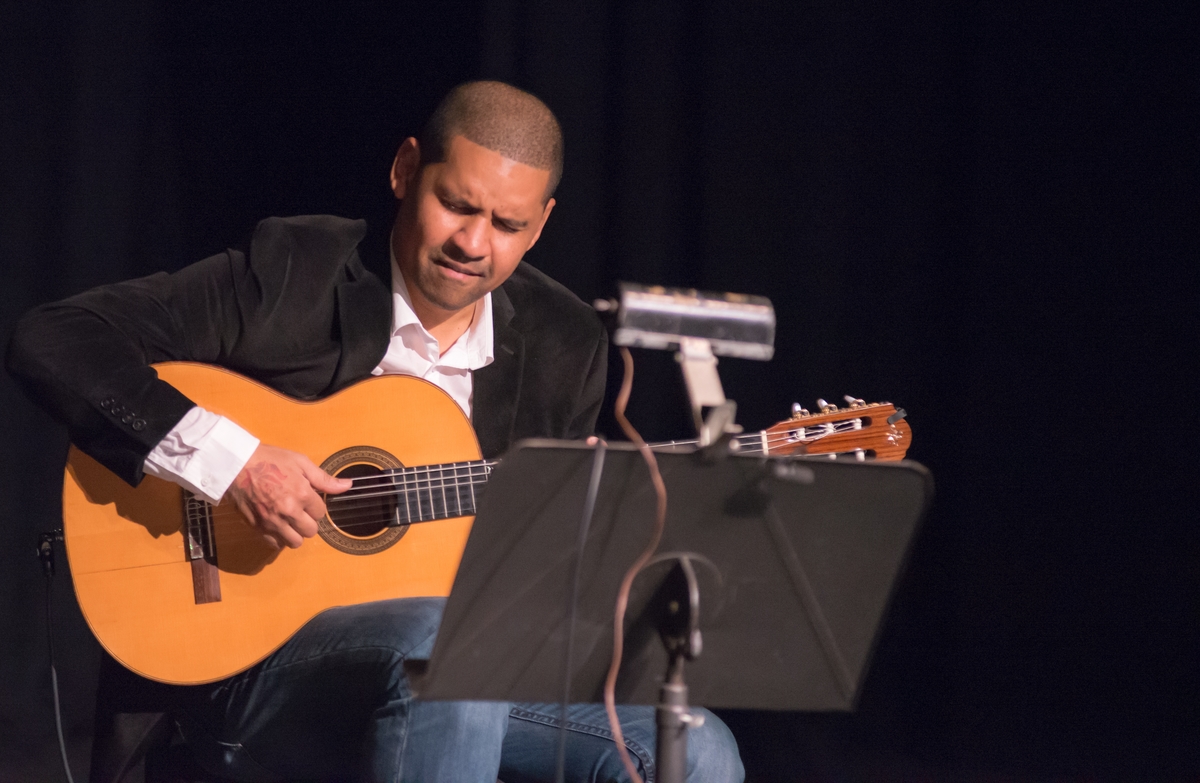
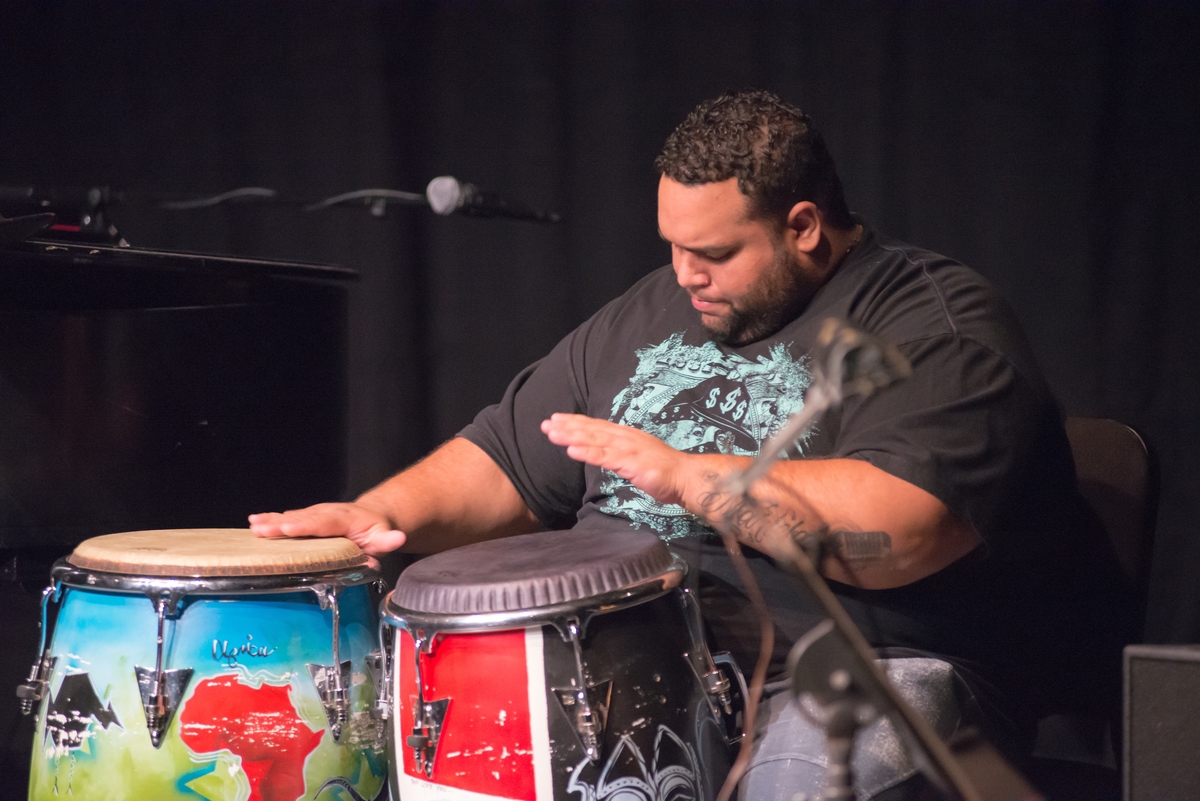
In the 1940s and 50s Latin Jazz began to take hold in New York City. At the same time, there was the first great migration of Puerto Ricans entering the country. Shortly, Dominicans and other Spanish groups followed. Latin jazz musicians, guitarist Yuri Juarez and percussionist Jhair Sala, performed a tune that was popular in the Latin community, now known by its Spanglish name, Loisaida, in the 1940s and 50s, “Night in Tunisia,” written by jazz great Dizzie Gillespie.
The music of the Lower East Side has continued to evolve from garage band to punk to alternative rock and yet, each year, the Loisaida Festival continues to evoke the spirit of its immigrant past, as did Yuri and Jhair with the last song on the program, “La Bikina.”
Jhair Sala and Yuri Juarez
A big thank you to all the artists who participated in the “Musical History of the Lower East” and to Lehman College: The City and Humanities Program and the CUNY Institute for Irish-American Studies for sponsoring the event.
Mitch Traphagen’s photos from Charles R. Hale’s “Musical History of the Lower East Side,” at Lehman College. The event was sponsored by “Lehman College: The City and Humanities Program and the CUNY Institute for Irish-American Studies.
Artists Without Walls’ member, soprano Ashley Bell, will be performing a number of Italian songs as part of Charles R. Hale’s “Musical History of the Lower East Side,” at Lehman College, Thursday, April 7, 12:30pm.
Many of our nation’s ethnic communities trace their roots to the Lower East Side, historically, a working class neighborhood, ethnically diverse and poor. A steady stream of Italian immigrants began arriving in America in the late 19th and early 20th century, including, Italians from Naples and Southern Italy who brought with them a traditional form of singing known as Neapolitan music. In New York City, Italian tenors such as Enrico Caruso and Beniamino Gigli popularized such songs as O Sole Mio, Funiculi Funicula, and Non ti Scordar di me. The steady stream of Italian immigrants also helped popularize the Metropolitan Opera, which debuted a number of Italian operas, including Giacomo Puccini’s Gianni Schicchi in 1918. The most popular aria from that opera remains “O Mil Bambino Caro.”
Ashley Bell has been performing from an early age, starting at age 9 as a member of the Metropolitan Opera Children’s Chorus and making her Off-Broadway debut at sixteen in the world premiere of the musical The Golden Touch. Ashley has since performed as a soloist in the United States, Italy, Spain, France and Russia. Recent performances have included Fiordiligi in Cosi Fan Tutte and Donna Anna in Don Giovanni in the Narni Festival in Italy with the Orchestra Filarmonica di Roma, Norina in Don Pasquale in Logroño, Spain, Violetta in La Traviata at the Bay Street Theatre, Isabella Colbran in the premiere of Discovering Mrs. Rossini at the new Sheen Center in NYC, and Musetta at the National Opera Center.
The performance will be in the Studio Theatre, Lehman College, 250 Bedford Park Blvd W, Bronx, NY, Thursday, April 7, 12:30pm. This is a free event which is being sponsored by Lehman College: The City and Humanities Program and the CUNY Institute of Irish Studies. Click here for directions.
This Thursday, April 7, 12:30pm, Lehman College: The City and Humanities Program, The CUNY Institute of Irish Studies and Artists Without Walls presents Charles R. Hale’s “The Musical History of the Lower East Side. The event will take place in the Studio Theatre, 250 Bedford Park Blvd W., Bronx, NY. Click here for directions.
Here’s what actress/director Aedin Moloney said about the show: “Blown away tonight by the most talented collection of musicians! Artists Without Walls hosted a terrific musical evening at Rockwood Music Hall. What a line up of super talented vocalists. One after another boom, boom, boom! All equally stunning performances….A slice of New York History. Take it on the road guys! Hopefully this will be done again…. not to be missed.”
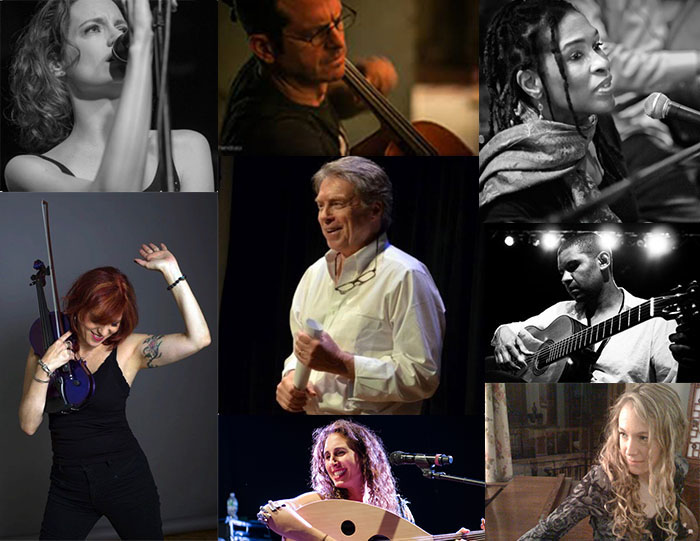
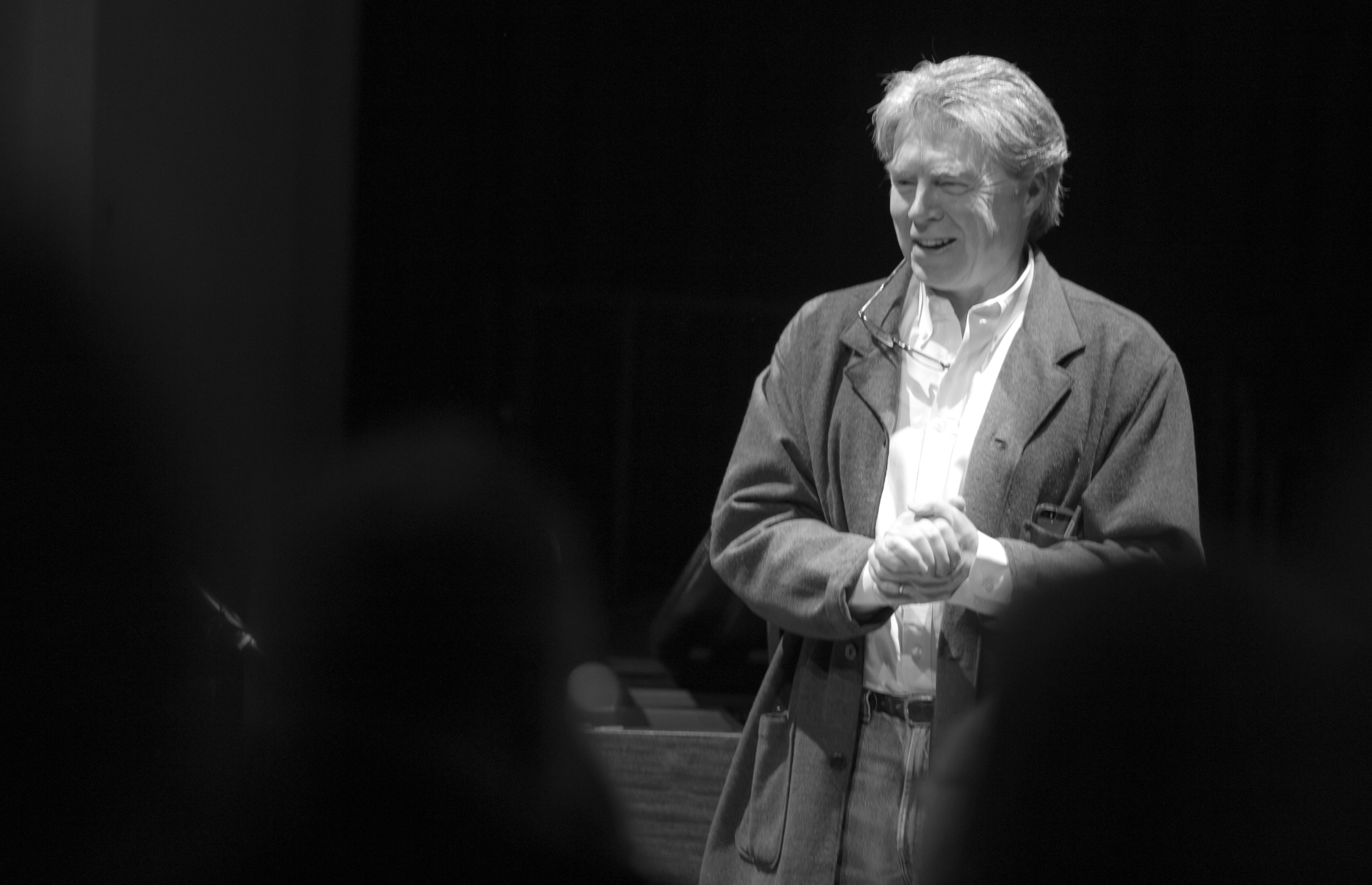
Performers include (clockwise from top left) Niamh Hyland, Noah Hoffeld, Mala Waldron, Yuri Juarez, Ashley Bell, Basya Schechter, Deni Bonet and (center) Charles R. Hale, who wrote and narrates the show.
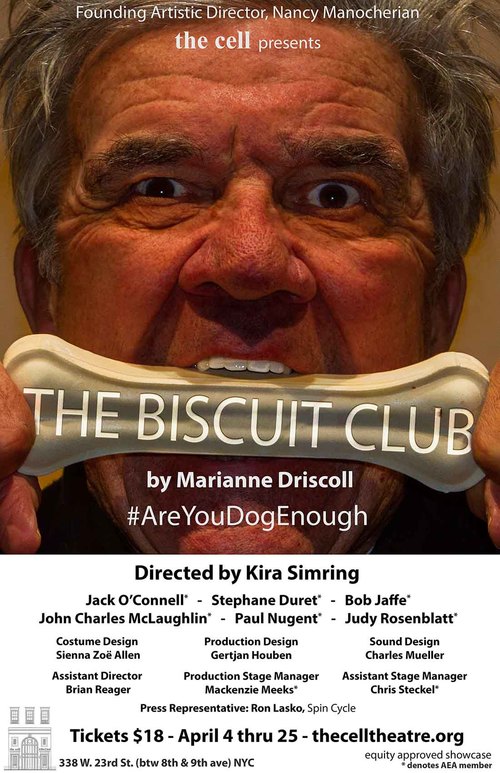
Running through April 25th, Jack O’Connell, will be starring in the World Premiere of The BISCUIT CLUB, Marianne Driscoll’s canine comedy inspired by The Breakfast Club. Directed by Kira Simring. For ticket info click here Use the code awow for discounted tickets.
.
Ever wonder what goes on in a kennel when people aren’t around? THE BISCUIT CLUB gives audiences a behind-the-bars peek into Bradley’s Bed & Biscuit, a boarding house for dogs. When an aging Bulldog, a jumpy Beagle, a glamorous Shih Tzu, a grumpy Pit Bull, a champion Airedale Terrier and a wide-eyed Labrador pup are locked together for the night, a doggone good time is in store for all.
.
—–
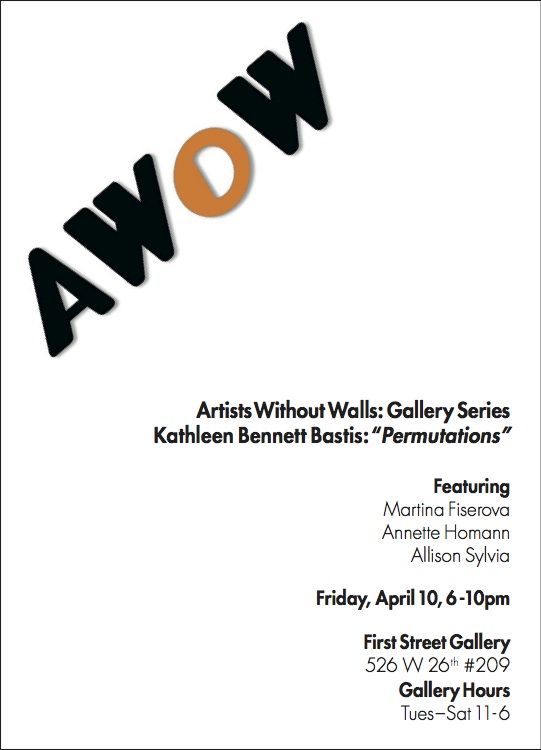
AWOW Artists Without Walls: Gallery Series Kathleen Bennett Bastis: “Permutations”
.
Join Kathleen Bennett Bastis and Artists Without Walls on April 10th, 6;30pm at First Street Gallery, 526, W26th St, Suite 209 when Kathleen, in conjunction with AWow, will be celebrating the arts–including Kathleen’s mixed-media art and live entertainment. Complimentary wine, beer and soft drinks will be served. Entertainment during the evening provided by Annette Homann, Martina Fiserova and Allison Syliva.
—–
.
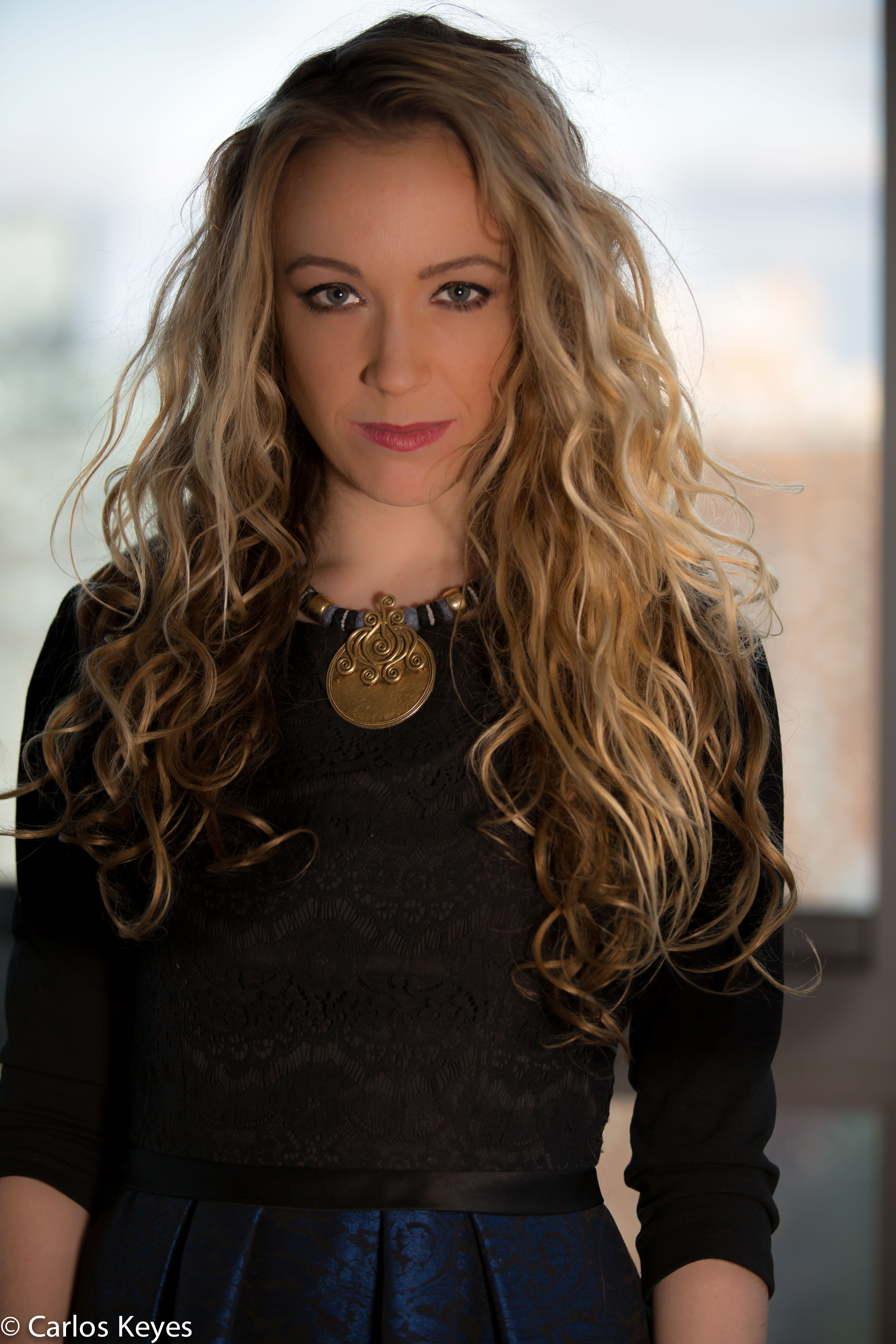
Ashley Bell
Soprano Ashley Galvani Bell will be performing in SEÑORA/SIGNORA ROSSINI: A CELEBRATION OF THE LIFE OF ISABELLA COLBRAN on April 10th and 11th, 2015 at 8 pm at the Loretto Theater at the Sheen Center in NoHo, located on the corner of Elizabeth and Bleecker Street in New York City. The show will be presented as a multi-disciplinary concert for classical singers, piano, harp and actor/narrator.
For more information and to order tickets click here. Tickets are $10 for the balcony and $30 for the orchestra. Please note there is $10 discount for orchestra seats using a SPECIAL AWOW DISCOUNT CODE…Divaria1 (Be sure to use a cap D. Case sensitive.)
.
—–
.
Richard Stillman
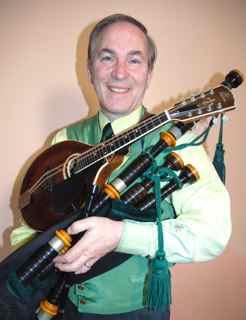
Musician, storyteller & actor Richard Stillman be playing Irish music at the Verona Inn with guitarist Paul Byrne on Sundays, 6-9pm (April 12 & 19). The music will include vocals, guitar, tenor banjo, mandolin, pennywhistle, concertina, bones, harmonica and bagpipes. The address is: 624 Bloomfield Ave. Verona, NJ. For info. call 973 239 0544.
“Blown away tonight by the most talented collection of musicians! Artists Without Walls hosted a terrific musical evening at Rockwood Music Hall. What a line up of super talented vocalists. One after another boom, boom, boom! All equally stunning performances! Niamh Hyland, Maritri Garrett, Honor Finnegan, Basya Schechter, Ashley Bell and with equally beautiful instrumentals from Noah Hoffield and Deni Bonet. Curated and M.C’d by the one and only, Charles R. Hale. A slice of New York History. Take it on the road guys! Hopefully this will be done again…. not to be missed.” Actress/Director Aedin Moloney
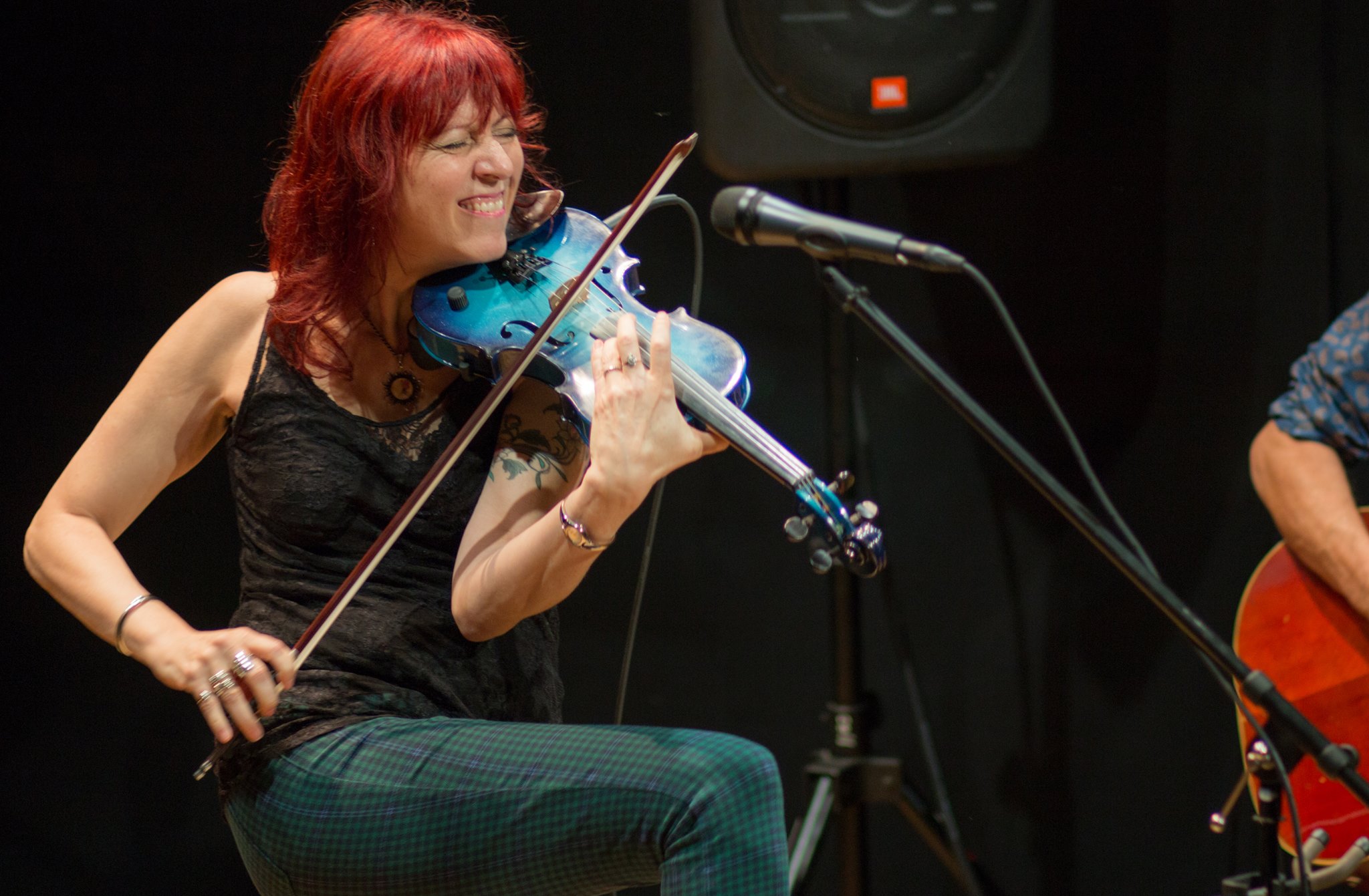
The Irish, leaving behind famine and poverty, began streaming into the country in the 1840’s. The emigrés wrote a large number of emigrant ballads, which were usually sad laments, steeped in nostalgia and self-pity, and despite the troubles they’d left, singing the praises of their native soil. But they also brought Celtic music with them. One tune “Red Haired Boy,” a melody common to fiddlers throughout Scotland and Ireland was transferred nearly intact to the American fiddle tradition where it has been a favorite of bluegrass fiddlers in recent times. Fiddler Deni Bonet opened the evening with a rendition of the tune.
Niamh Hyland
Stephen Foster known as “the father of American music” was an American songwriter known for his parlor and minstrel music. The minstrel show was an American form of entertainment developed in the 19th century, consisting of comic skits, variety acts, dancing, and music, performed by white people in blackface. Popularized in the 1830 and 40s, in New York City alone, when minstrelsy was at its height in the 1850s and 60s, there were ten theaters in New York City devoted almost solely to minstrel entertainment. Bonet strung together a medley of Foster’s tunes, illustrative of the minstrel style: “The Old Folks at Home,” “Camptown Races,” and “Oh Susanna.”
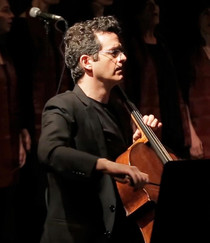
Noah Hoffeld
Singer Niamh Hyland, cellist Noah Hoffeld joined Deni to perform two of Foster’s parlor songs, “Hard Times Come Again No More,” written in 1854 and “Slumber My Darling,” written in 1862, two years after Foster moved to New York.
Many ethnic groups or cultures tend to claim sections of New York City as historically their own. The Lower East Side is especially remembered as a place of Jewish beginnings in America. Between 1880 and the start of World War I in 1914, about two million Yiddish-speaking Jews left Eastern Europe and
Basya Schechter
Russia where repeated pogroms made life unbearable for many. The immigrants brought a great deal of their European music with them and the music became an integral part of the immigrant’s life. Two of these songs “Oyfn Pripetchik” and “Shnirele perele” were performed by guitarist/singer Basya Schecter and cellist Hoffeld .
.
Ashley Bell
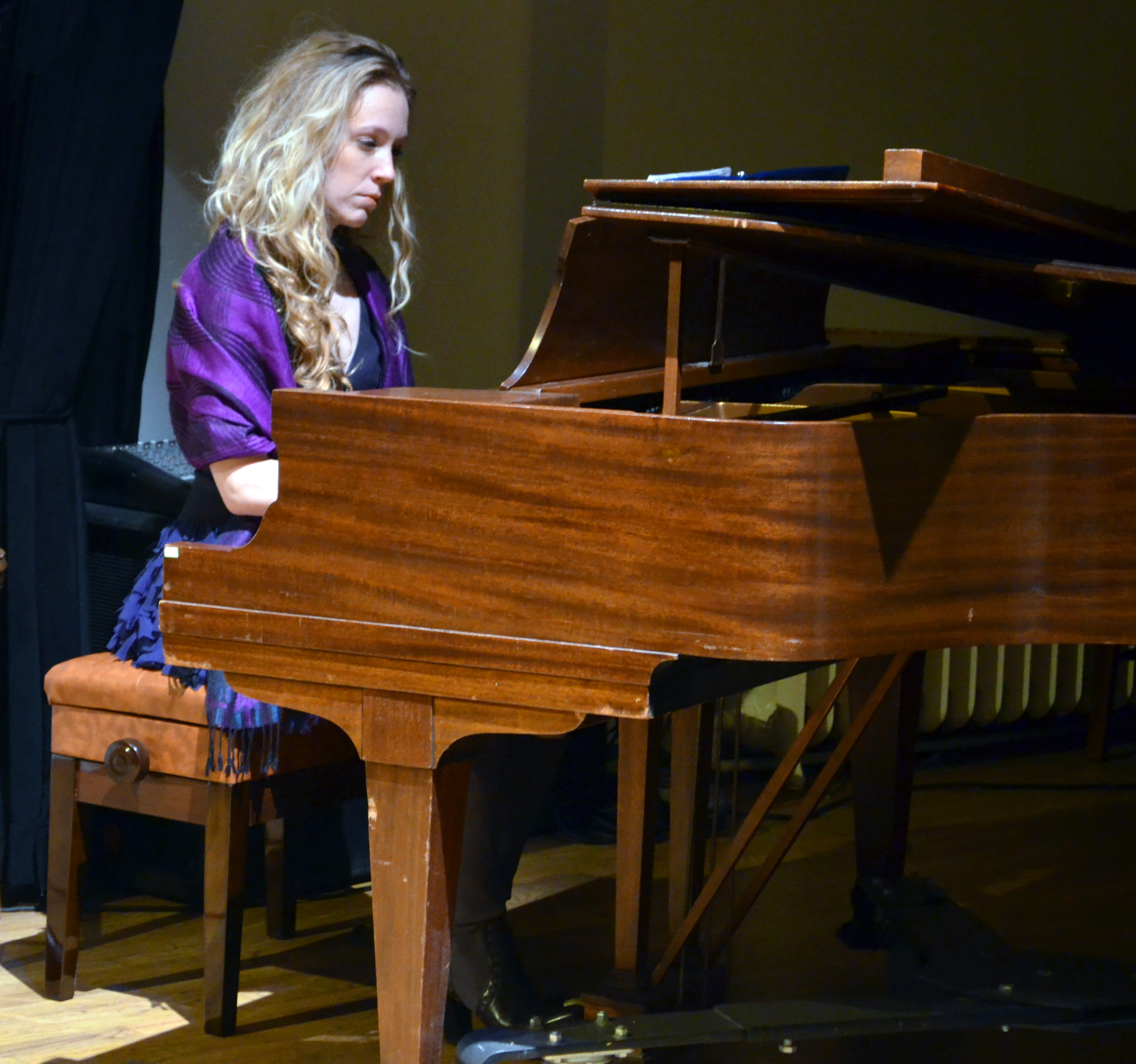
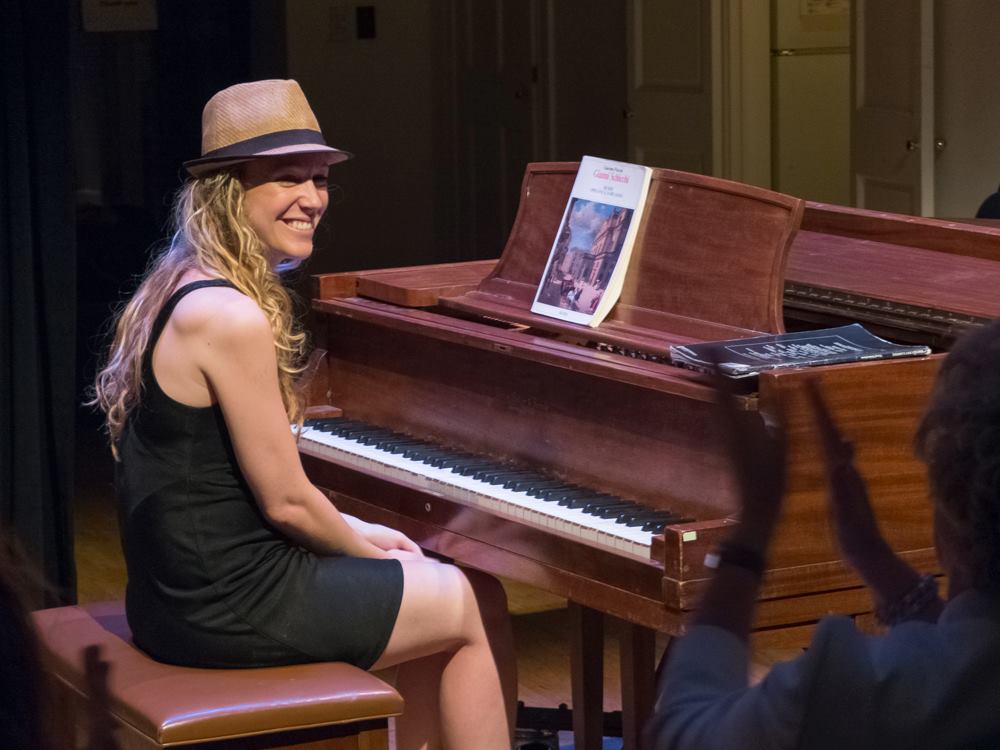
The first Italian opera, Rossini’s Barber of Seville, was performed in the United States in NYC in 1825, but it wasn’t until a steady stream of Italian immigrants began arriving in America in the late 19th and early 20th century—four million—that the popularity of Italian opera picked up steam. The Metropolitan Opera debuted a number of Italian operas, including Giacomo Puccini’s Gianni Schicchi in 1918. The most popular aria from that opera remains “O Mio Babbino Caro,” which was performed by soprano Ashley Bell who accompanied herself on piano.
Canzone Napoletana, sometimes referred to as Neapolitan song, is a term for a traditional form of music sung in the Neapolitan language. Many of the Neapolitan songs became world-famous after they were taken abroad by emigrants from Naples and southern Italy. The music was popularized in New York City by performers such as Enrico Caruso, who took to singing the popular music of his native city as encores at the Metropolitan Opera. Bell sang one of the most popular Neapolitan songs, “No ti Scordar di me.”
Maritri Garrett
If many are unfamiliar with the names Israel Baline, Samuel Cohen, Isidore Hochberg, and Jacob and Israel Gershowitz, it’s because they were better known as Irving Berlin, Sammy Cahn, Yip Harburg and George and Ira Gershwin, composers who were either born or raised on the Lower East Side. George Gershwin and Ira Gershwin’s “Someone to Watch Over Me,” was sung by Maritri Garrett, who played the guitar, with additional accompaniment from fiddler Bonet.
Yip Harburg wrote a number of popular tunes including “Brother Can You Spare a Dime,” and “April in Paris,” but he’s probably best known for the Wizard of Oz’s “Over The Rainbow,” which he wrote with Harold Arlen, and for which they won an Academy Award. The versatile Garrett moved to the piano and performed “If I Had A Brain,” also from the “Wizard.”
Honor Finnegan
The East Village was once considered the Lower East Side’s northwest corner; however, in the 1960s, the demographics of the area above Houston Street began to change, as hipsters, musicians, and artists moved in. And from 1968 to 1971 the Fillmore East, located in a Second Avenue building that was originally a Yiddish theatre, was the rock palace of the world. The performers are legendary: The Allman Brothers, Jimi Hendrix Jefferson Airplane, the Grateful Dead, Janis Joplin and many others performed there. The brilliant singer/songwriter Joni Mitchell appeared at the Fillmore on April 26, 1969. Honor Finnegan, accompanied by Carl Money on guitar performed two of Mitchell’s songs, “All I Want” and “Both Sides Now.”
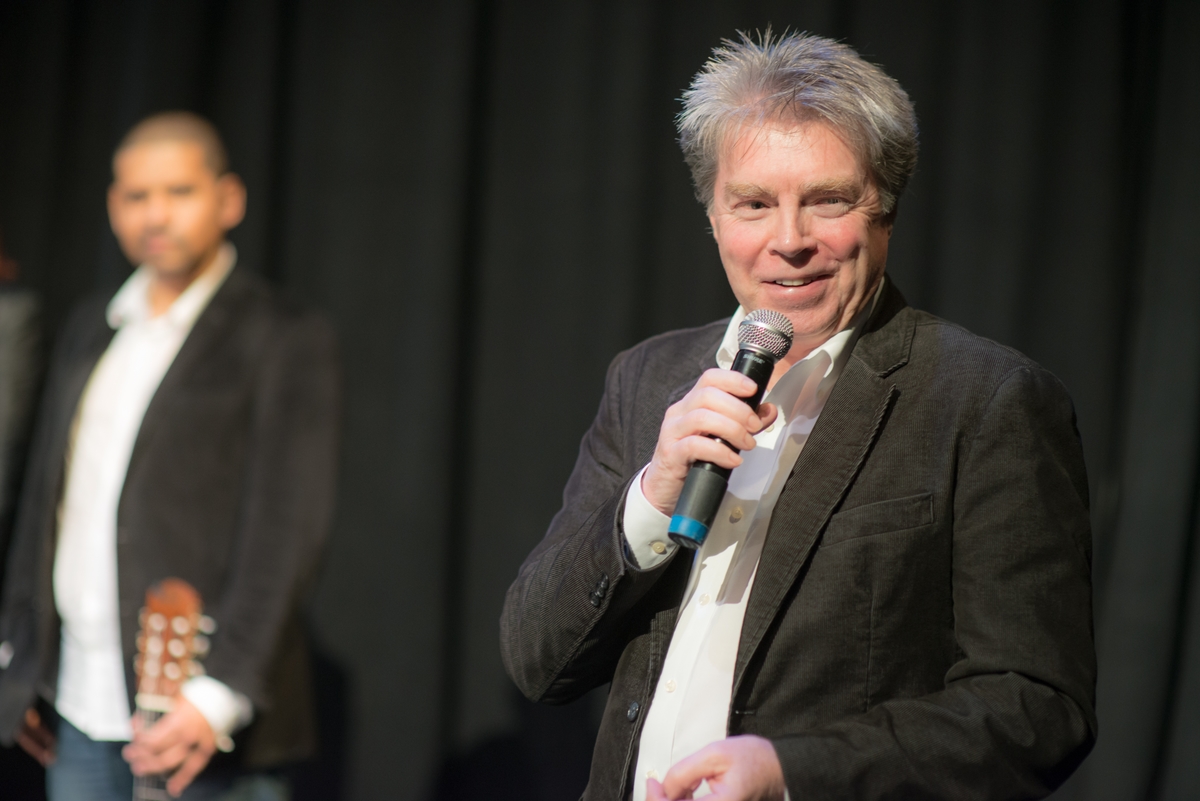
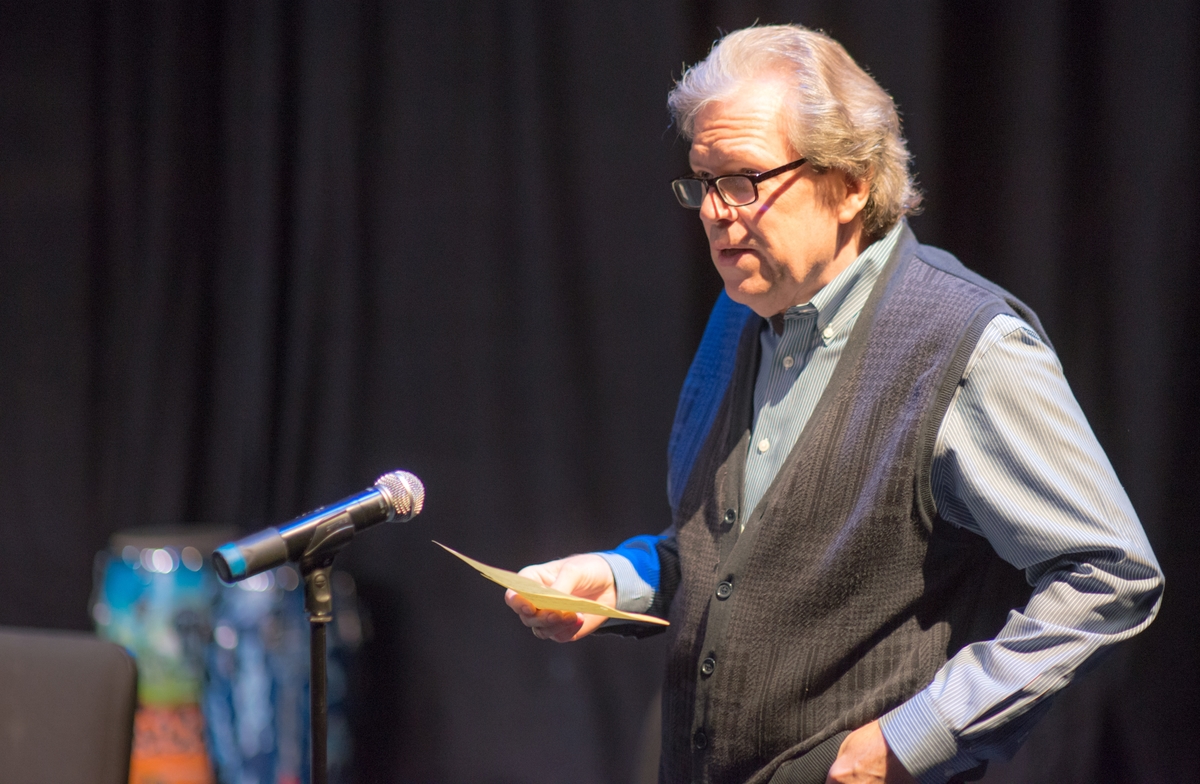
Charles R. Hale
Some American music critics began using the term “punk” in the early 1970s to describe garage bands and their devotees. By late 1976 Patti Smith, Television and the Ramones in New York City were recognized as the vanguard of a new musical movement performing in such places as the famed CBGB at 315 Bowery. To close out the evening Hyland, Bonet, Hoffeld and Garrett performed a song from that era, a rousing rendtion of Blondie’s “Call Me.”
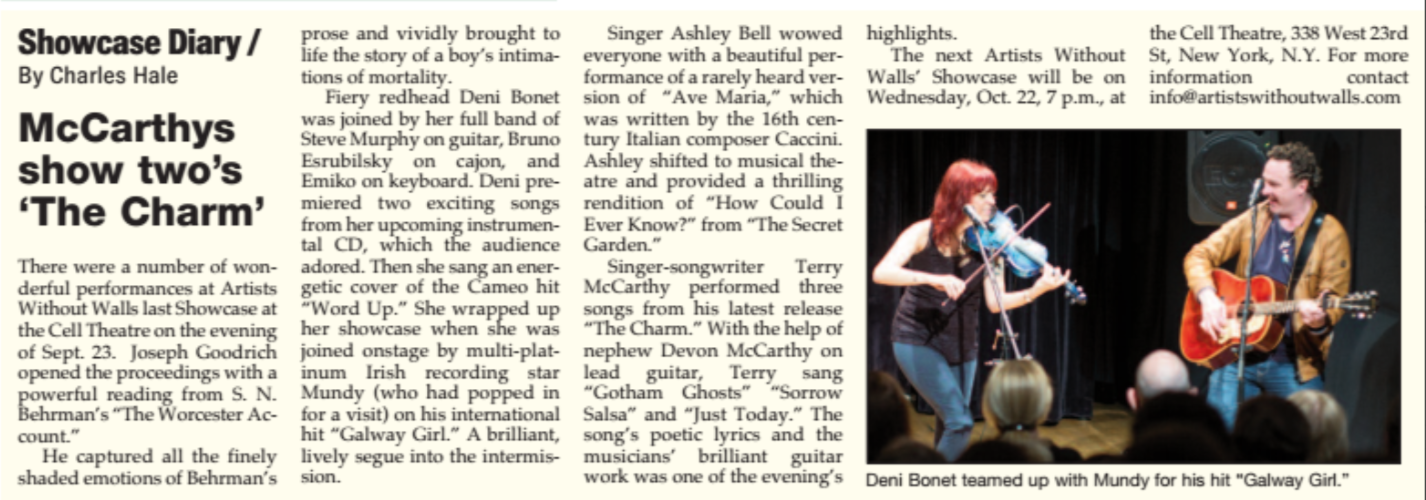
Nice article about AWoW’s Showcase at The Cell, 9/23/14, in this week’s Irish Echo. Included are Joe Goodrich, Ashley Bell, Deni Bonet, Mundy, Terry McCarthy and Dermot McCarthy.
“How many more amazing things can I say about Artists Without Walls? It’s an amazing community and an incredible lineup of diverse artists. Thank you for the plug on my show and for the major hugs of support. I love these people.” Erin Layton
“Yes! Last night’s Artists Without Walls Showcase was exhilarating as was evidenced by the energy and smiles at The Cell . Thanks for putting together another evening of performances for the memory book.” Marty Plevel
—–
Honor Molloy began the evening by reading “What’s Taken,” an expressionistic segment that was dropped from her novel Smarty Girl – Dublin Savage. This piece features Noleen O’Feeney and her father trapped in the ruins of her childhood home. Afterwards, someone asked Honor why it was taken out of the book. “Because it was far too abstract for the audience I wanted…but not too abstract for the gang at AWoW.”
Honor Molloy
The silvery voice of Jenai Huff combined with the critically acclaimed singer/songwriter Eugene Ruffolo in a performance of two original tunes written by Jenai and one by Eugene. Eugene followed with a song written in Italian, which will be part of his next CD scheduled to be released in the fall. His beautiful timbre and romantic language delighted the audience.
From the moment Yvonne Cassidy began to read from her latest novel How Many Letters Are in Goodbye? she held the audience spellbound. Cassidy read the first letter from the novel title, a letter from seventeen-year old Rhea Farrell to her mother, Allison who died when Rhea was only three. Writing from Penn Station, Rhea begins to share with her mother her homeless experience but quickly lapses into questions she has always had, questions she wants her mother to answer. Judging by the book sales at the intermission, the audience members too, were keen to find out the answers to these questions! For anyone who didn’t get their hands on a copy, click here.
A delightful new presence on the music scene in New York has arrived from the heart of Europe, the city of Prague. Martina Fiserova’s humor and energy shone through her music and lit up the room. Her soulful authentic approach delivered an emotional urgency; even a melancholic story felt uplifting. The exciting chord work she does sets her apart from being “just another girl with a guitar.” We need more of these European invasions.
Martina Fiserova
Dan Yurkofsky premiered two song compositions from his new CD, Hoverhill. The songs, titled “The Time Zone” and “Walking” featured Mr. Yurkofsky’s melodic singing voice and contemplative lyrics. He was deftly accompanied by two fine musicians, Matt Turk on acoustic guitar and Noah Hoffeld on cello . To learn more about Hoverhill, and to hear listening examples from the CD you can click here.
First time performer, Kathleen Bennett Bastis’, opened the second half of the show with an hilarious and “spot on” perspective of internet dating. Kathleen claimed that this was the first time she had been on stage since she performed in Scheherazade in fifth grade; hard to believe given her poise, charm and insouciance. “As always, a terrific evening of great entertainment and talent,” Kathleen said after the show.
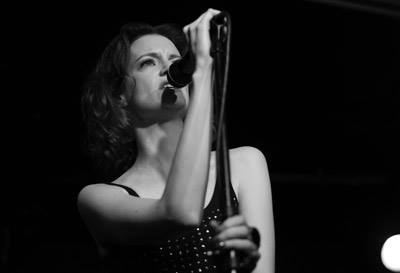
Ashley Bell was next and she dazzled all with a stirring rendition of the opera staple, “O Mio Babbino Caro.” She followed up the showstopper with an original composition, which showcased her lower register and displayed another level of her vocal instrument.
Ashley Bell
Digital poet and recent NYU grad, Allison Fichtelberg dazzled the audience with a spellbinding performance of her epic poem “Scroll.” I am honored to have performed for such a receptive audience and to share the space with such talented artists. That was the first performance I’ve done where I summoned the appropriate chutzpah to make the concluding sword trick work.” (You’ll have to see her perform live to understand that comment.) An absolutely mesmerizing performance.
But Allison wasn’t done for the night. Lyndon Achee, steel drummer and percussionist began with a piece dedicated to his sister Beatrice who died of breast cancer. Lyndon than circulated a bag of instruments—tambourines, maracas, drumsticks and bells–through the audience who accompanied Lyndon in an upbeat tune, which ended with Allison coming back on stage and dancing to the sweet sounds of a steel drum. A wonderful, highly spirited, ending to a great night.
The next Artists Without Walls’ Showcase at The Cell will be on July 22nd at The Cell Theatre, 338 W 23rd St., NYC. For more info on Artists Without Walls write to info@artistswithoutwalls.com