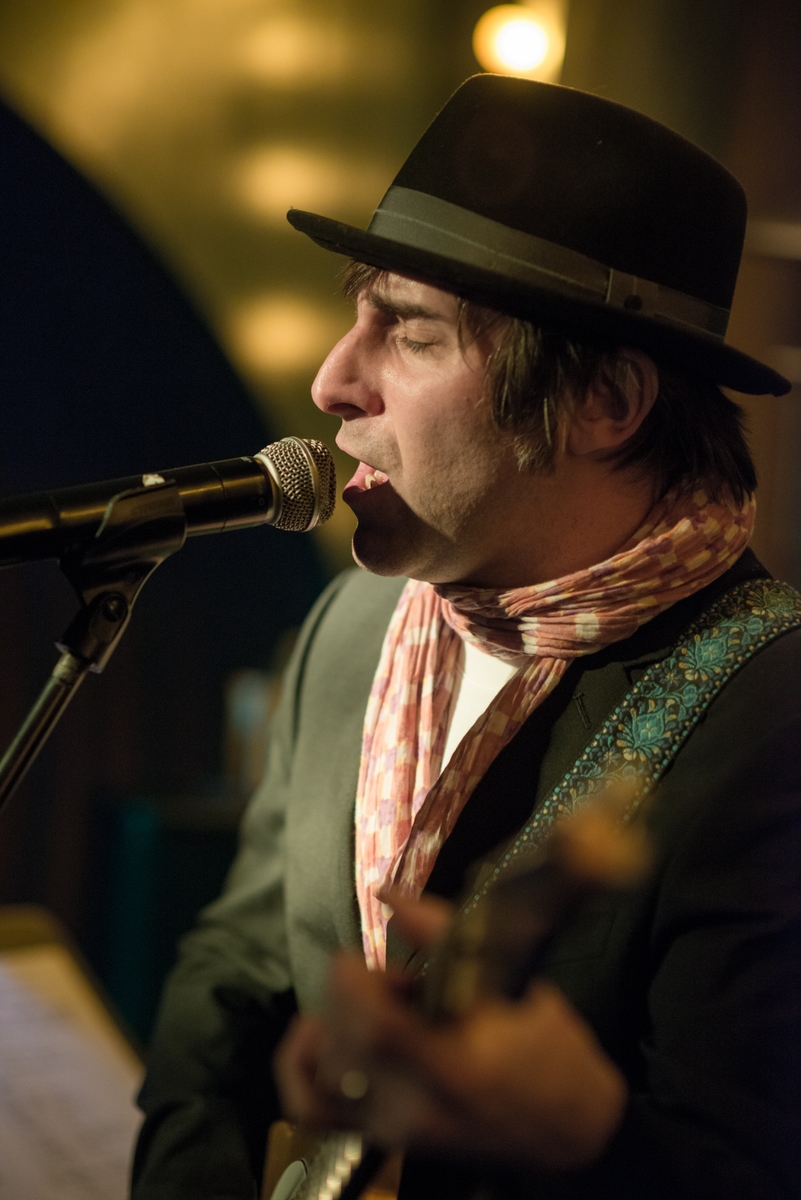
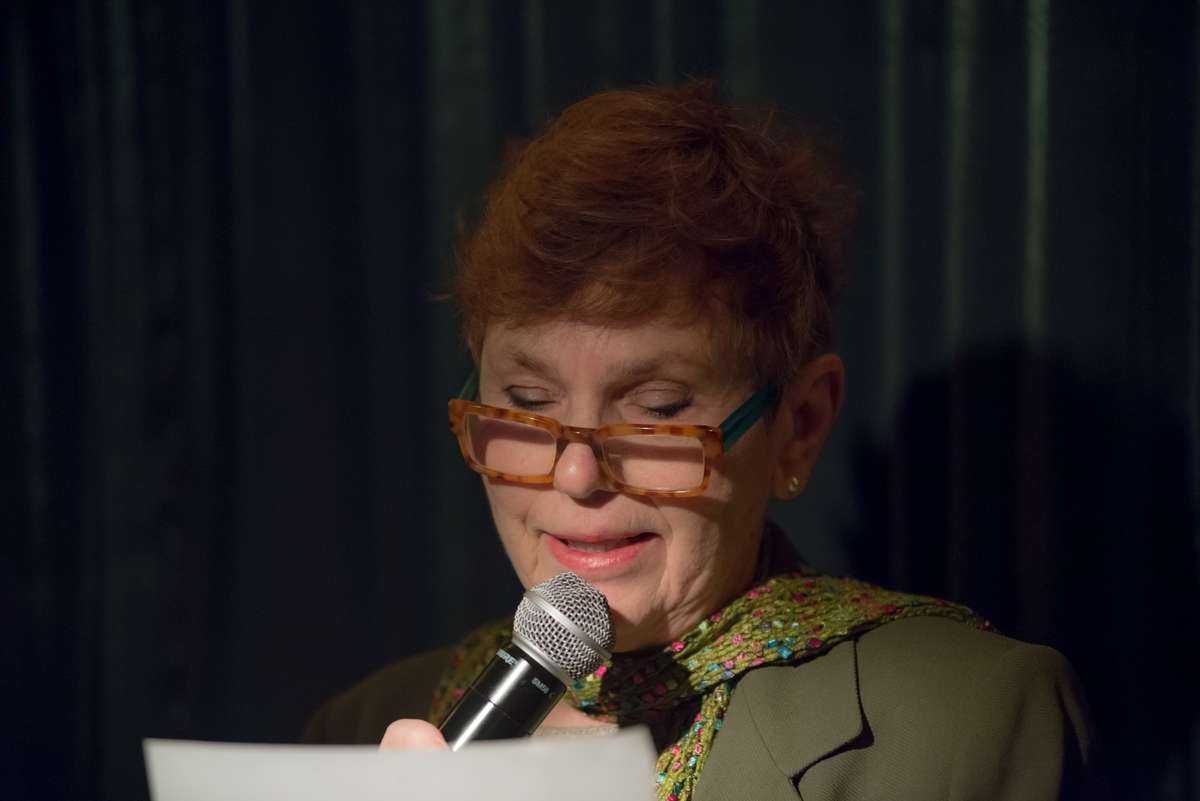
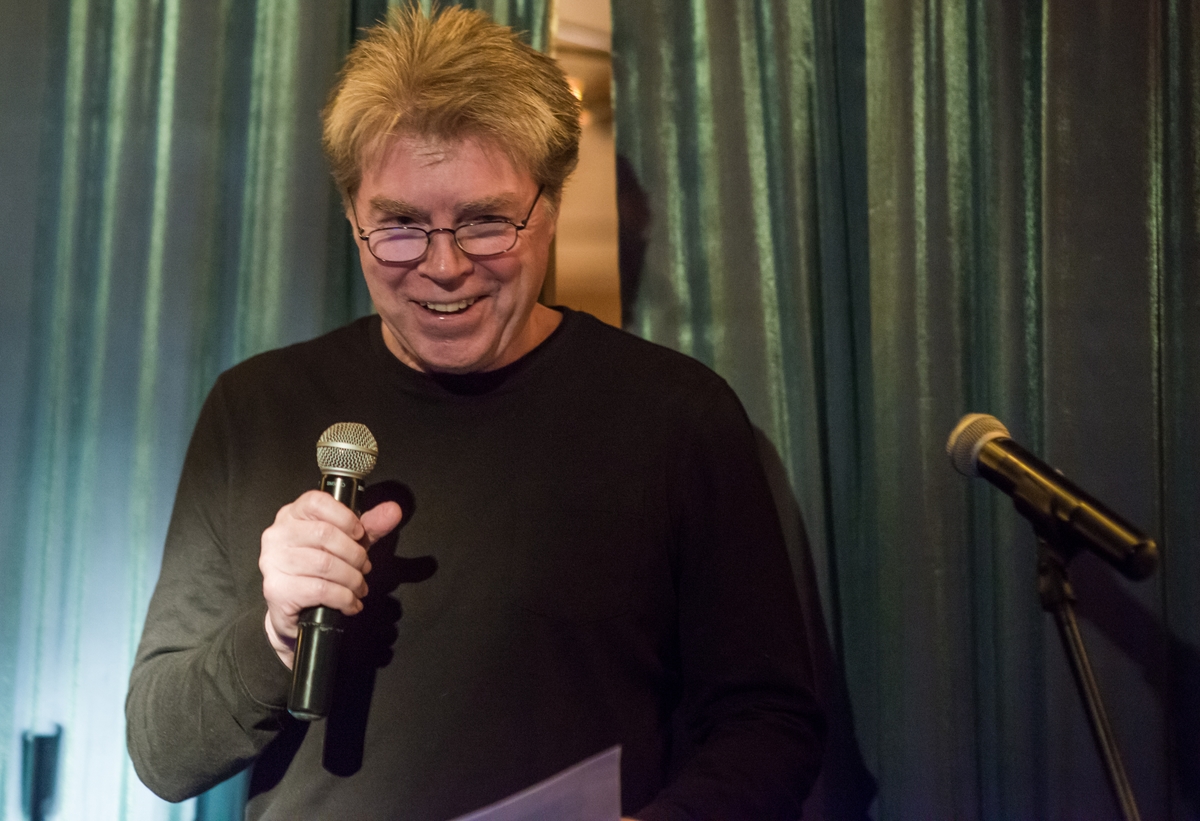
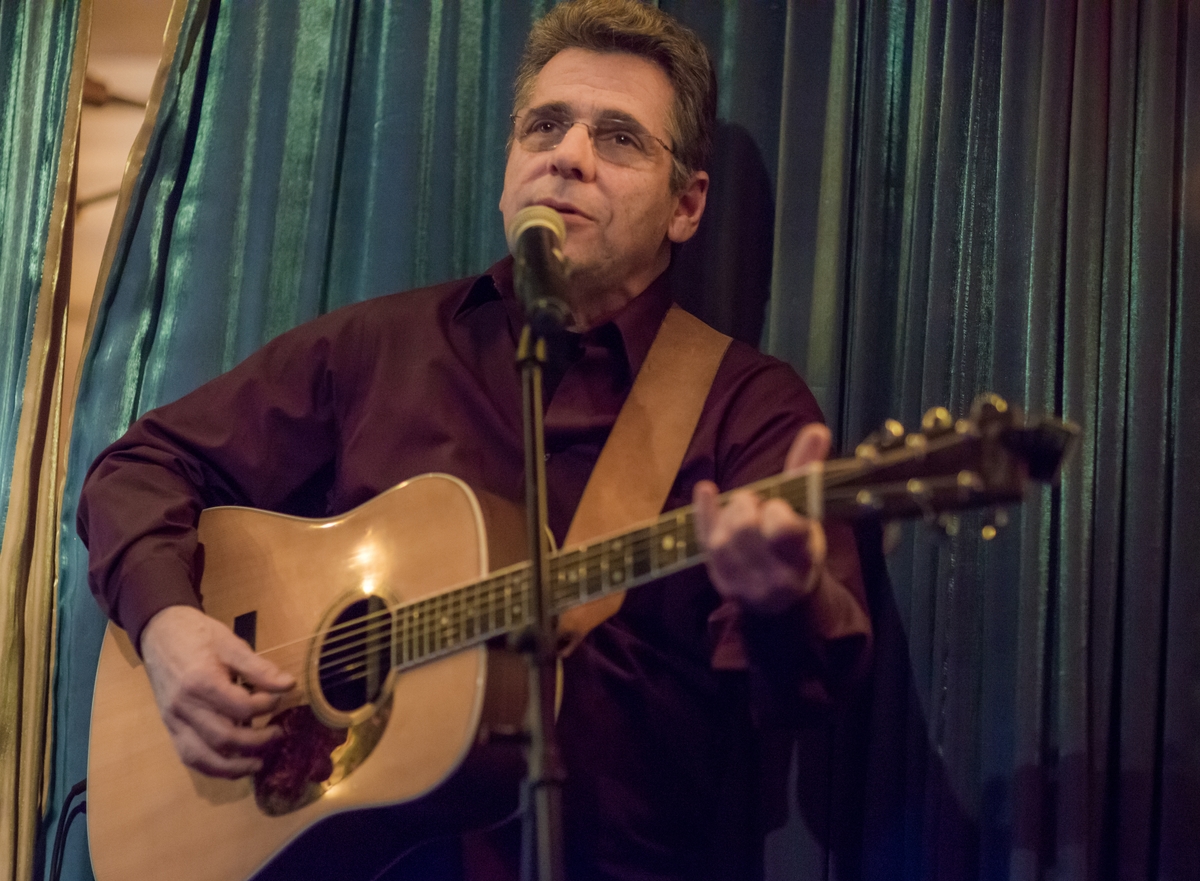
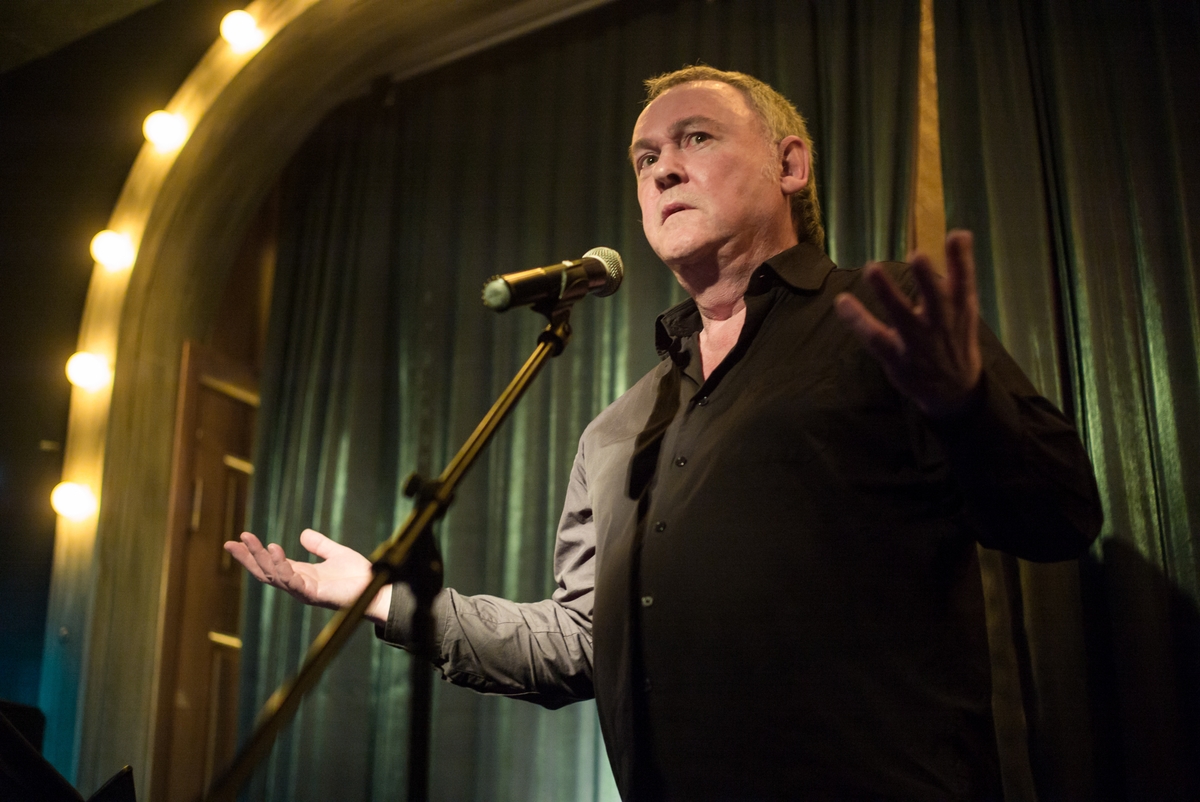
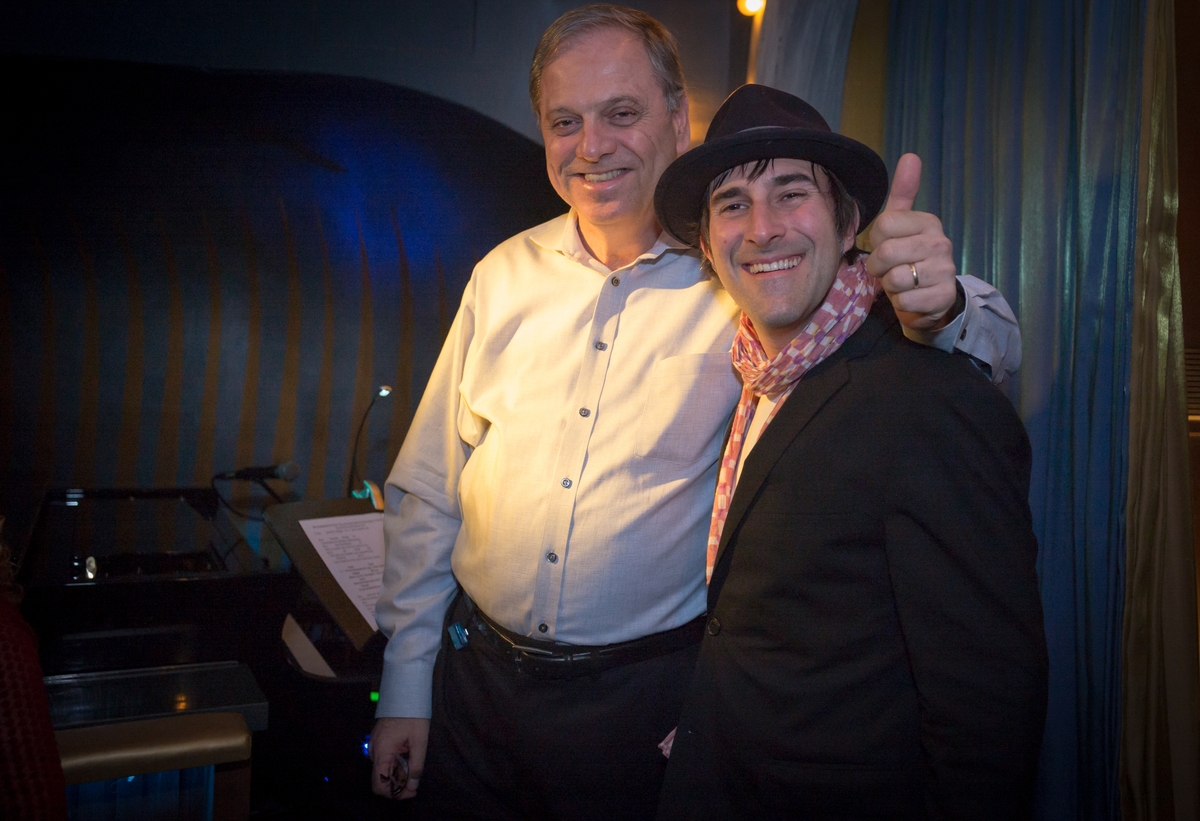
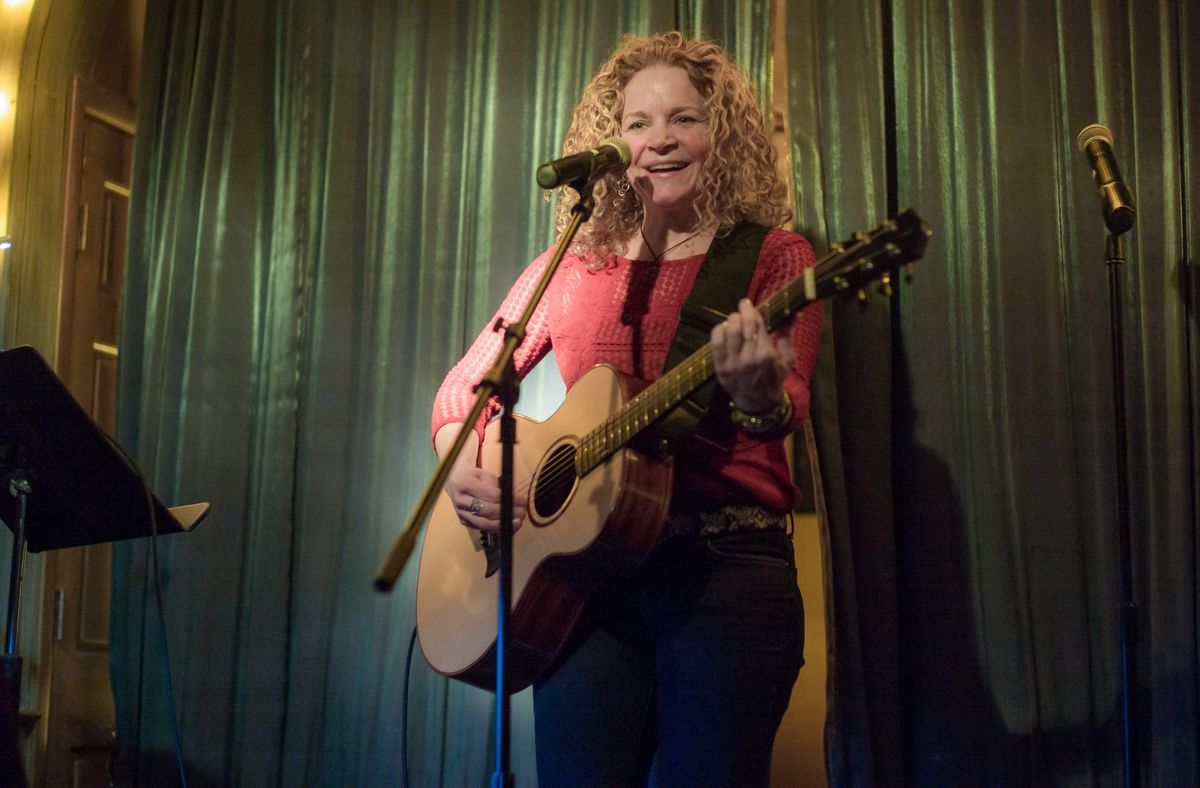
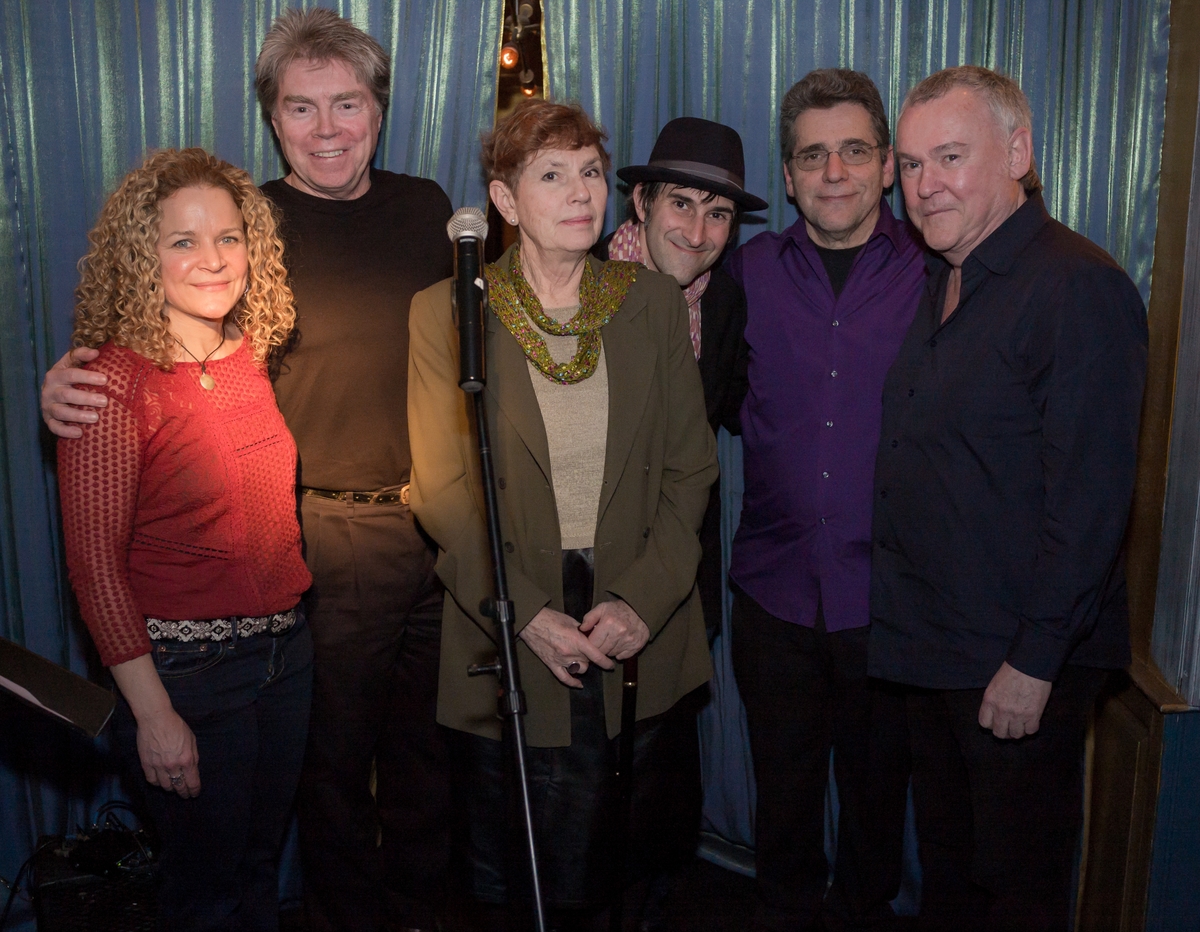
Mitch Traphagen’s photos from AWoW’s Showcase at Sid Gold’s, March 29, 2016.


Photography / Communication for Artists and Creatives
Mitch Traphagen’s photos from AWoW’s Showcase at Sid Gold’s, March 29, 2016.

Mitch Traphagen’s photos from Artists Without Walls’ November 2015 Showcase at The Cell Theater in Manhattan. Performers and presenters included Tara OGrady, Stella Pulo, Tue Hoe, Faye Franzini, Richard Deane, Martina Fiserova and Alejandro Colon-Rabinowitz. Produced by AWOW’s artistic directors Charles Hale and Niamh Hyland. www.artistwithoutwalls.com.
.
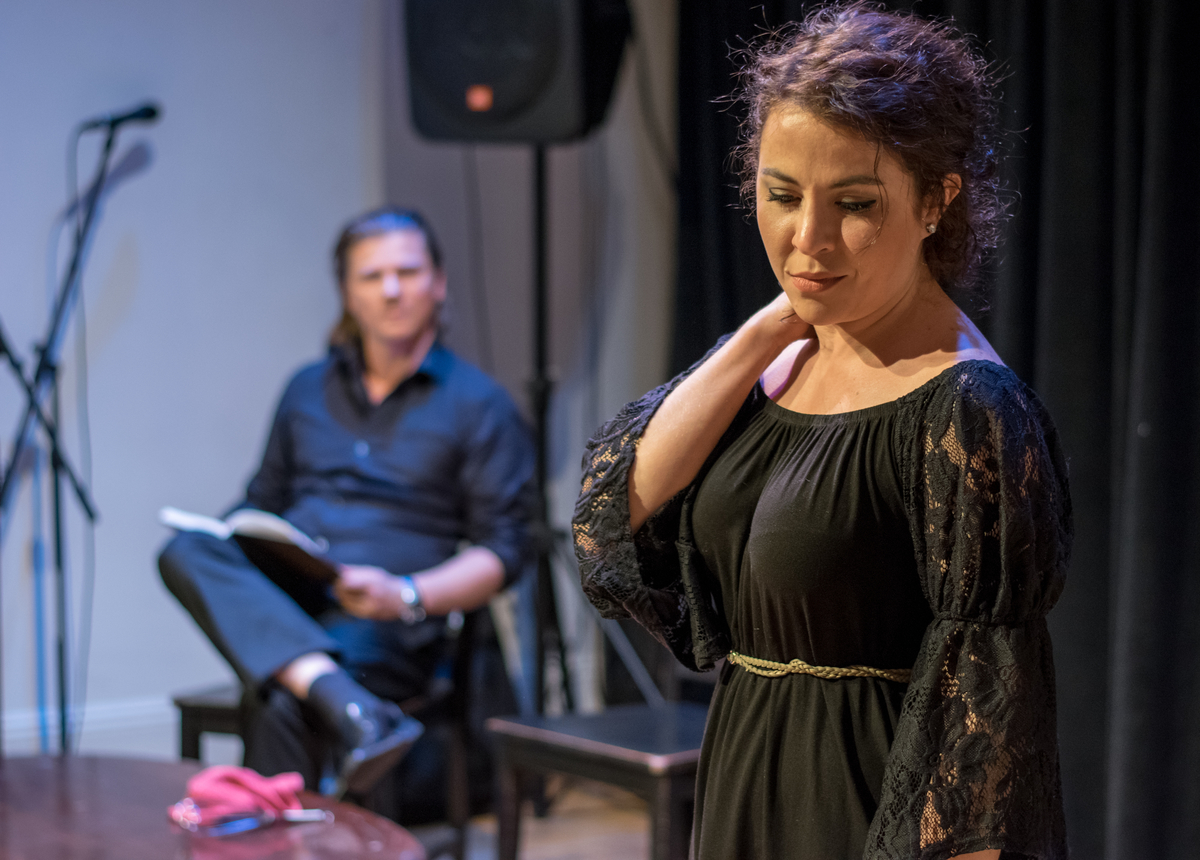
Tue Ho and Faye Fazini
.
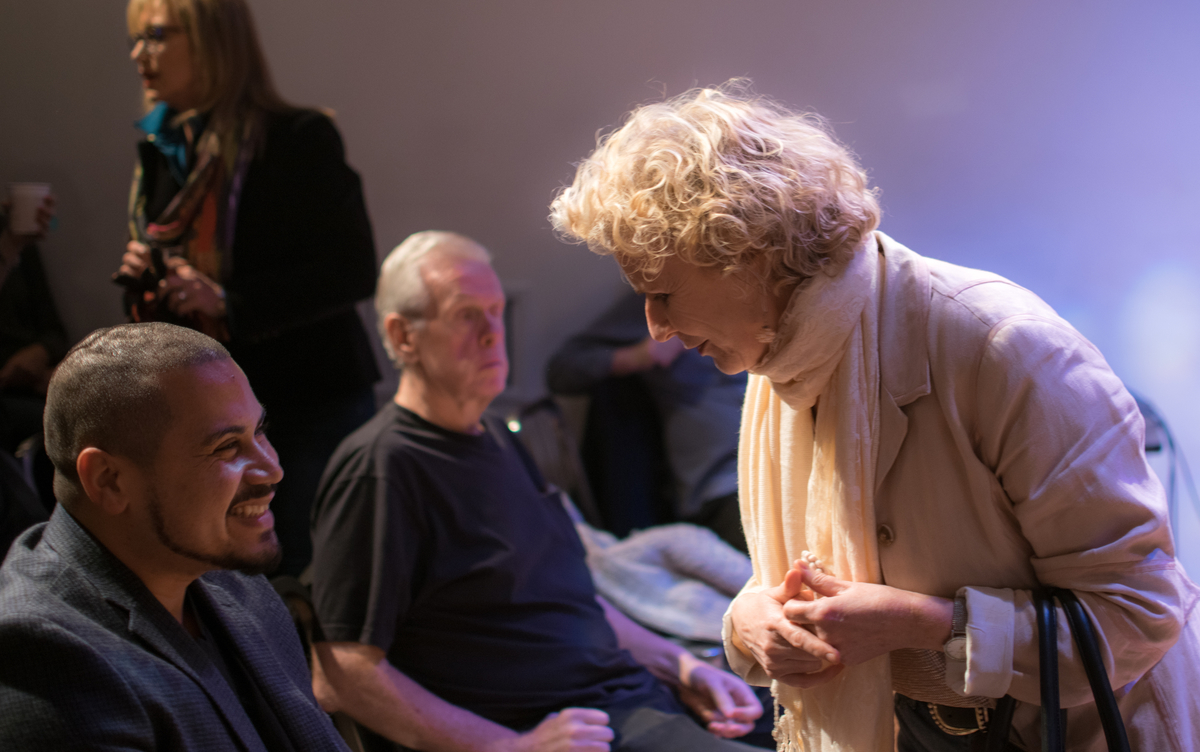
Justin Colon-Rabinowitz and Connie Roberts
.
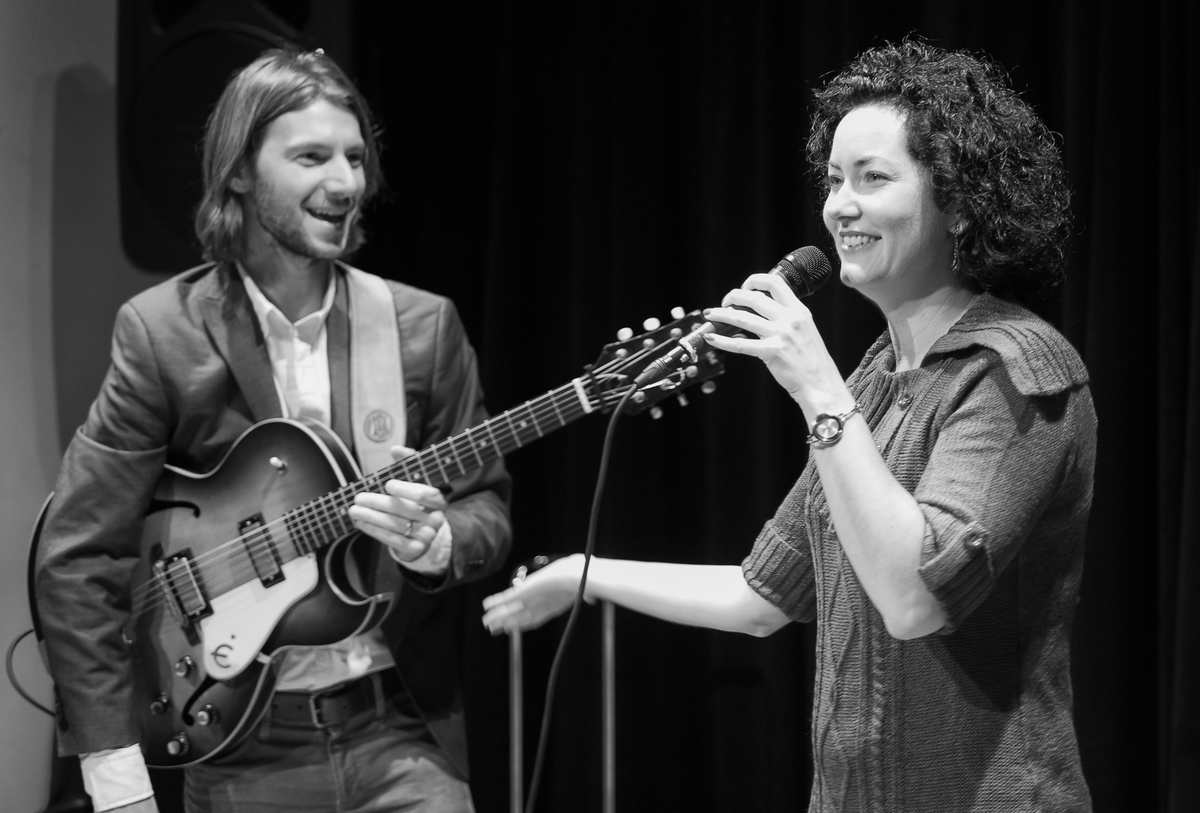
Justin Poindexter and Tara O’Grady
.
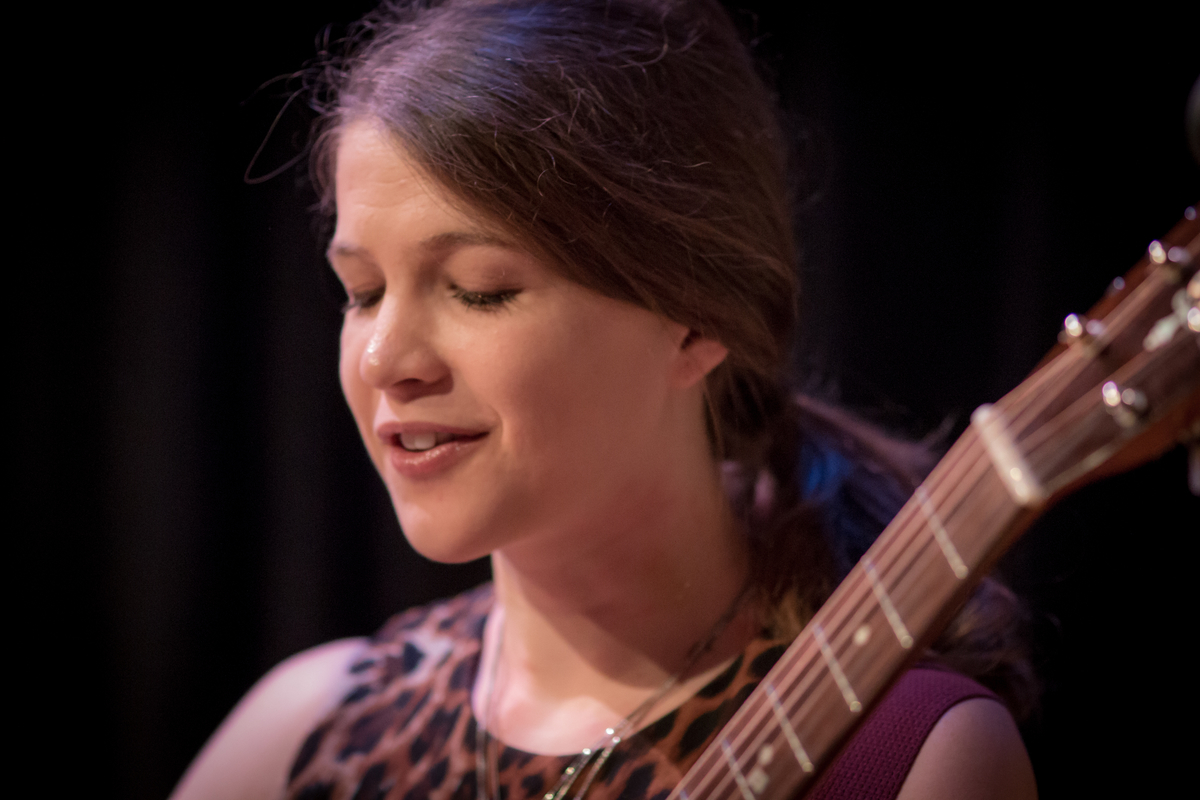
Martina Fiserova
.
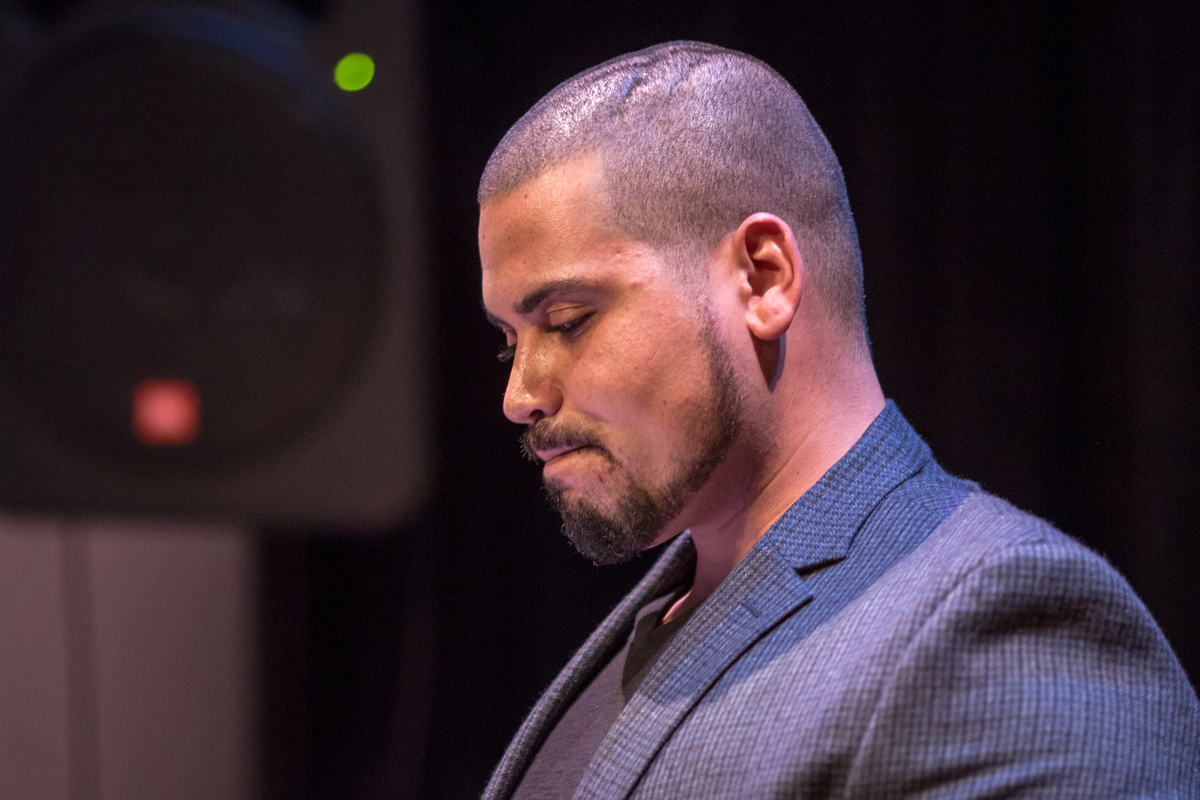
Justin Colon-Rabinowitz
.
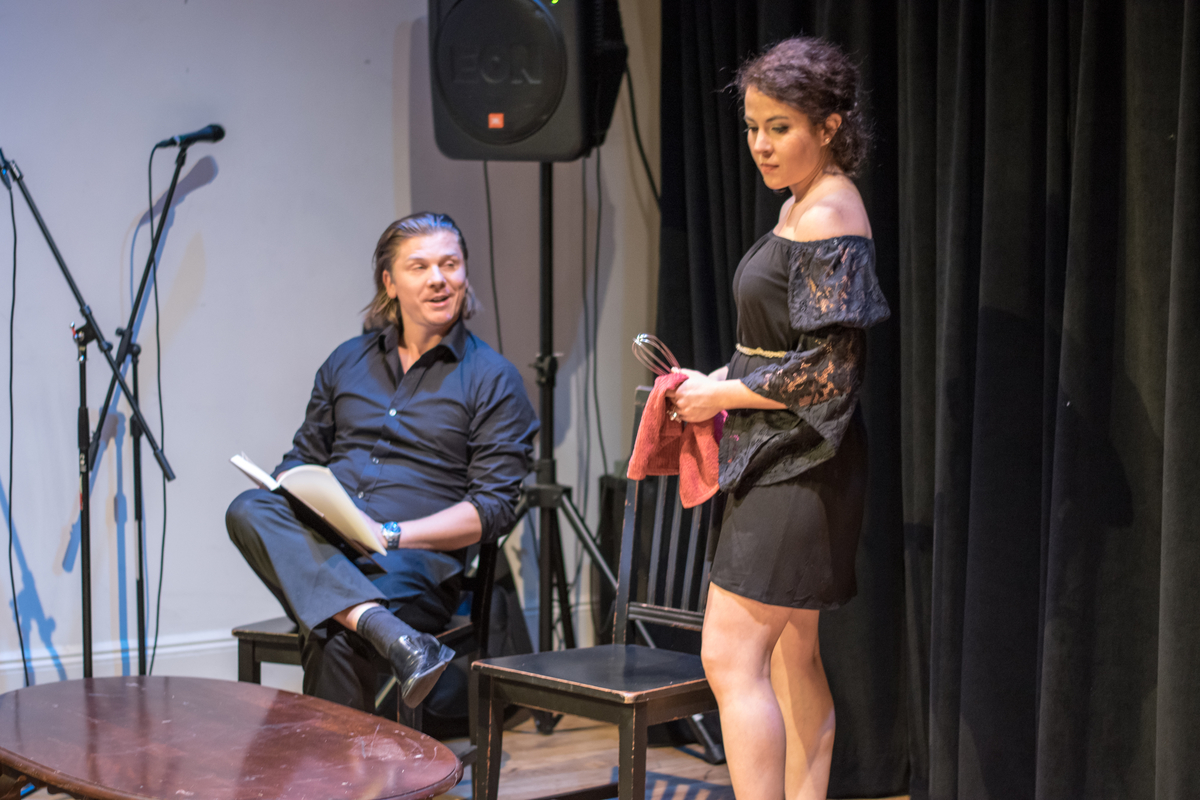
Tue Ho and Faye Franzini
.
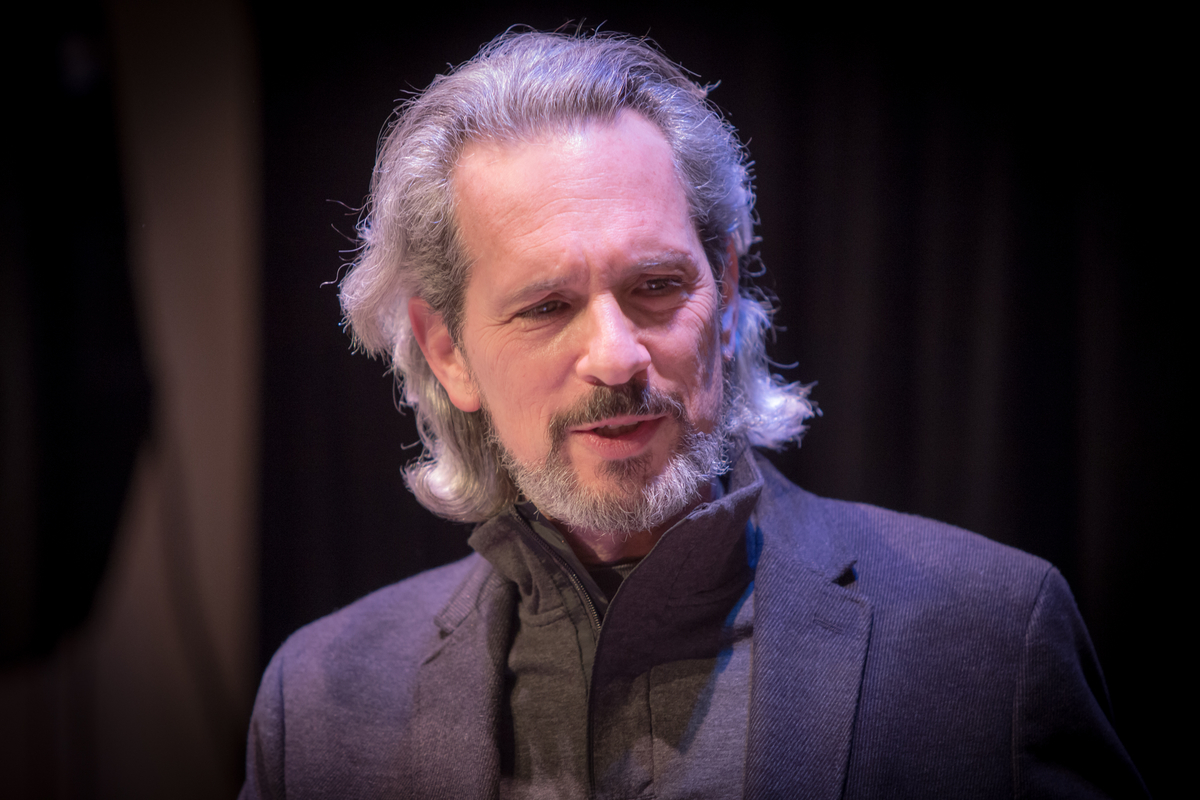
Richard Deane
.
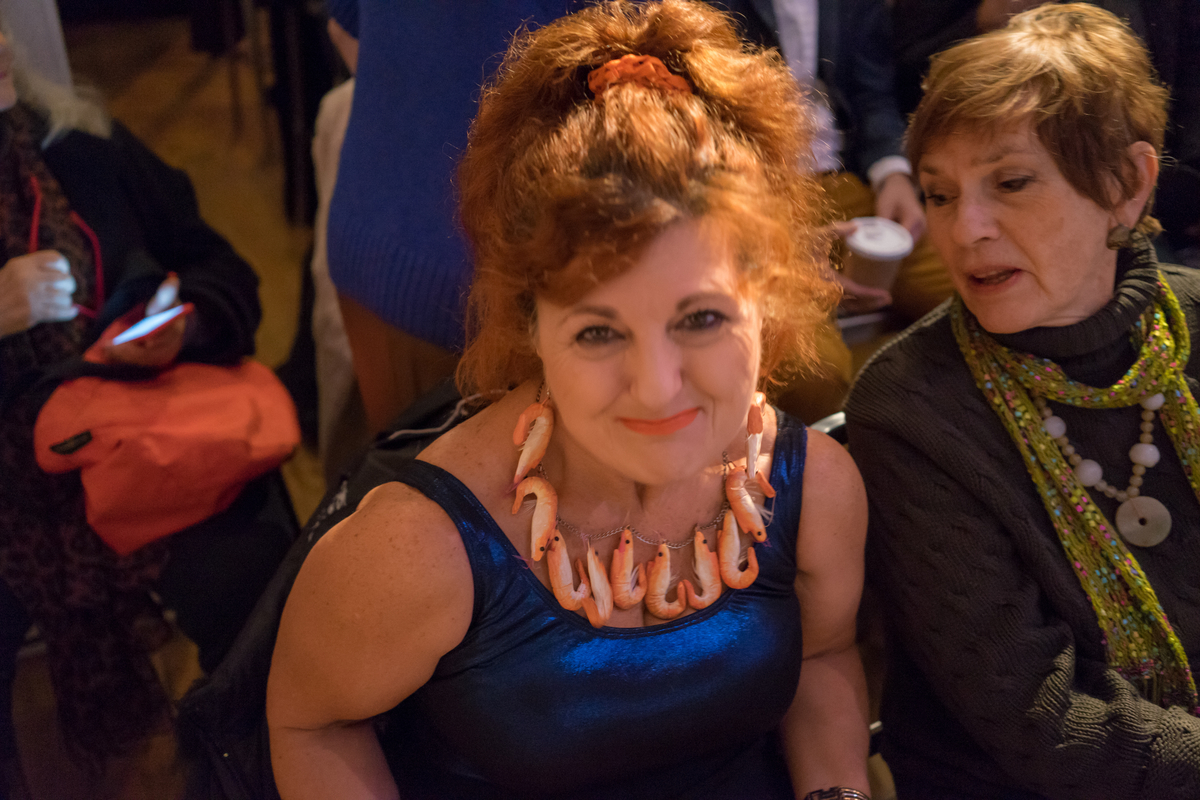
Stella Pulo and Alison Armstrong
.
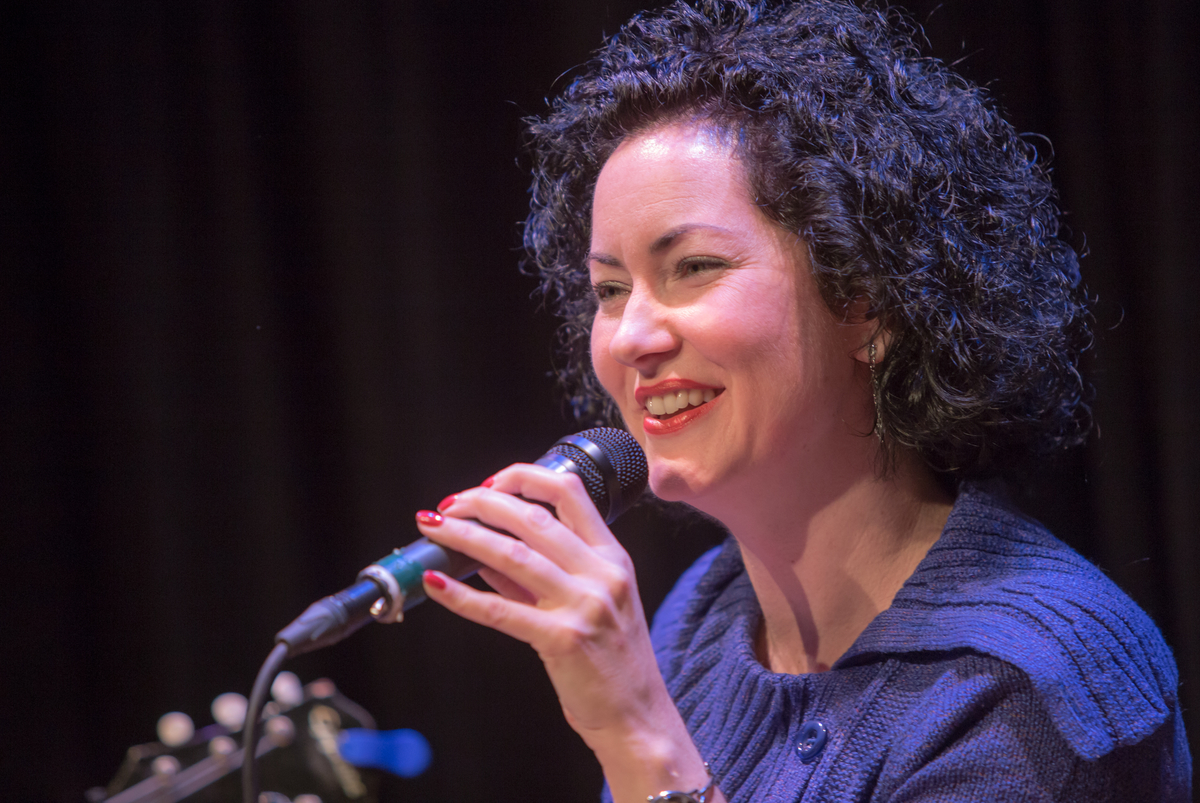
Tara O’Grady
.
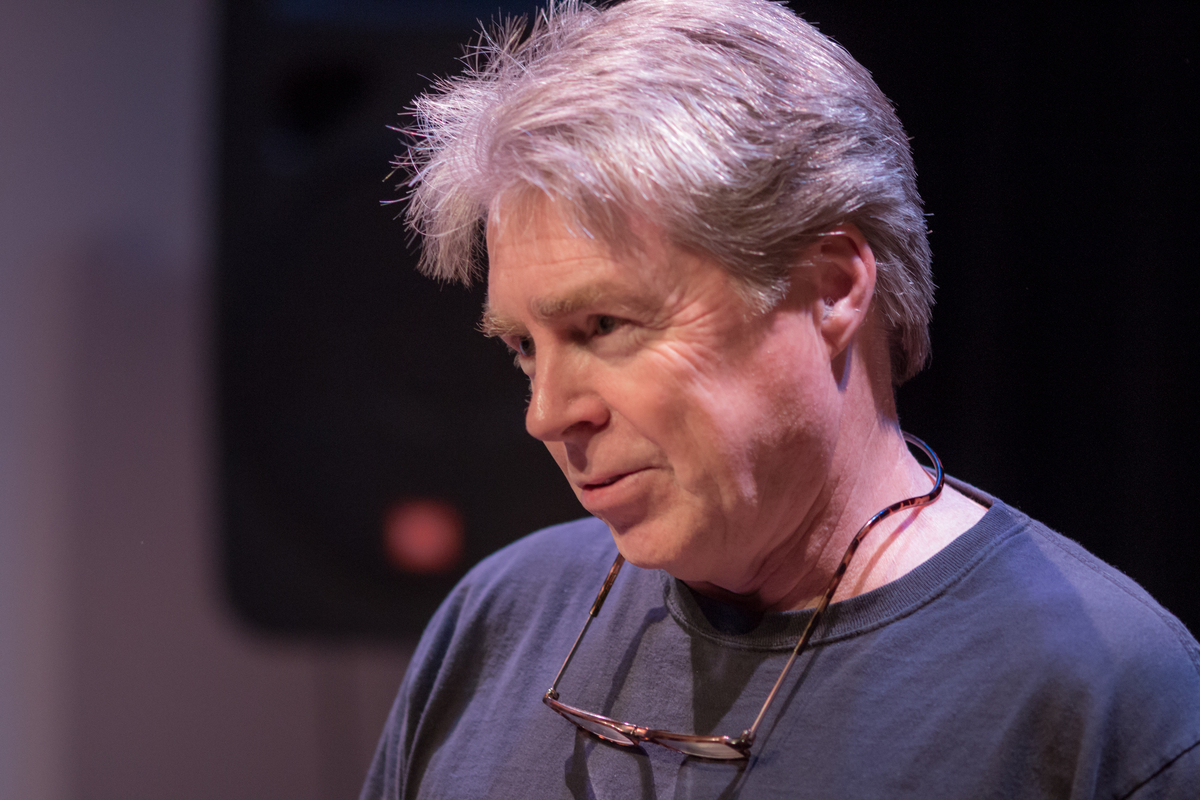
Charles R. Hale
.
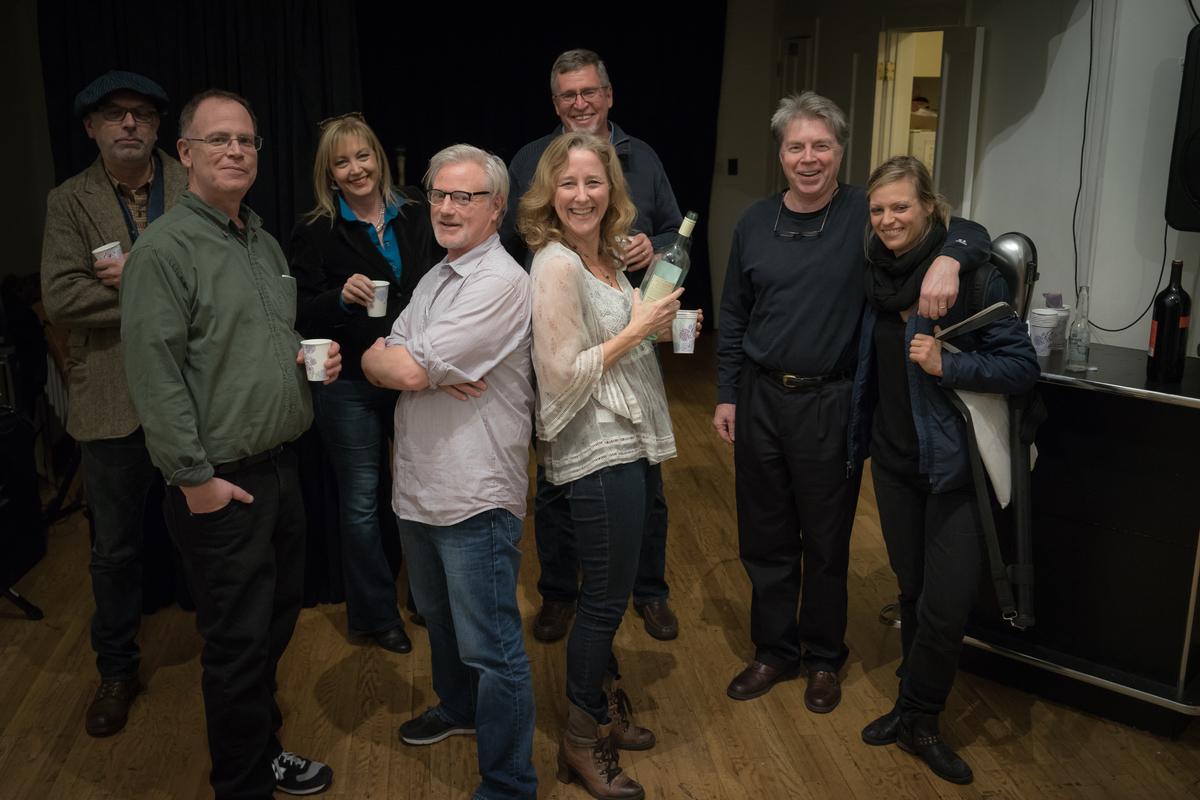
Gary Ryan, Sam Adelman, Pandora Maclean-Hoover, John Moran, Lynnell Herzer, Eric Hoover, Charles R. Hale and Annette Homann
.
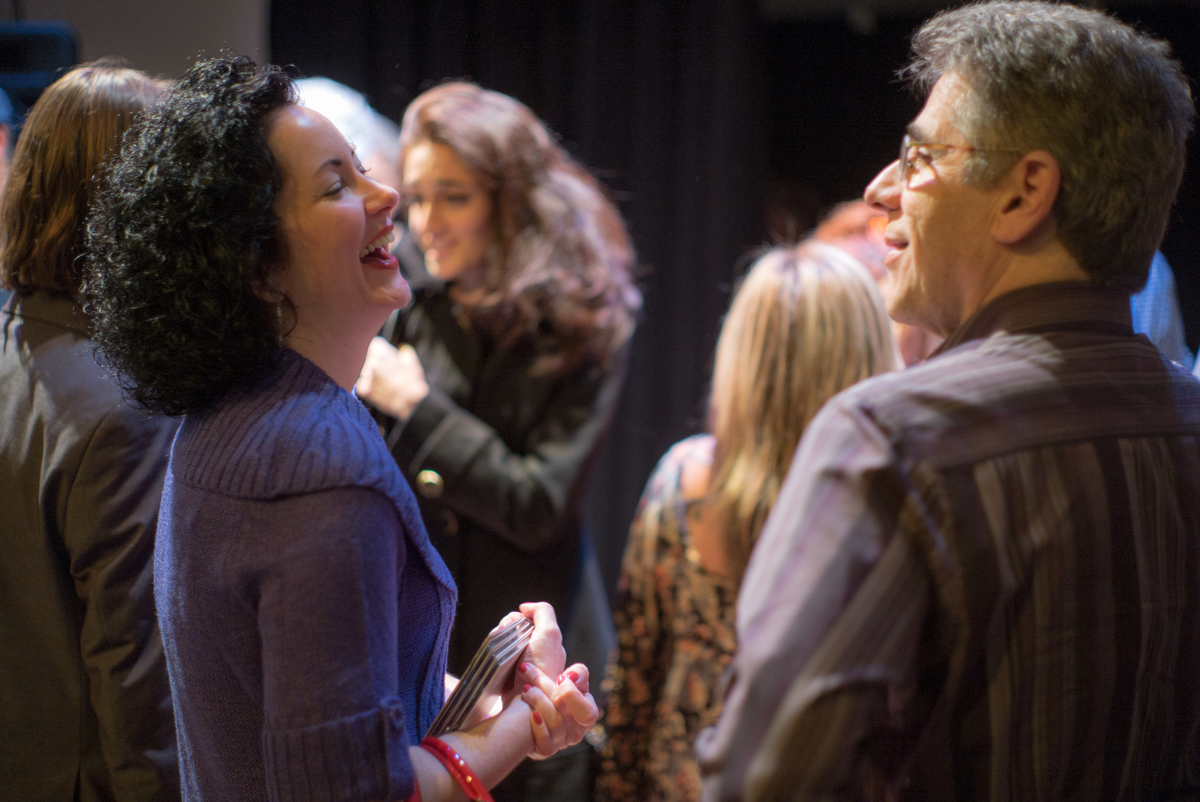
Tara O’Grady and David Goldman
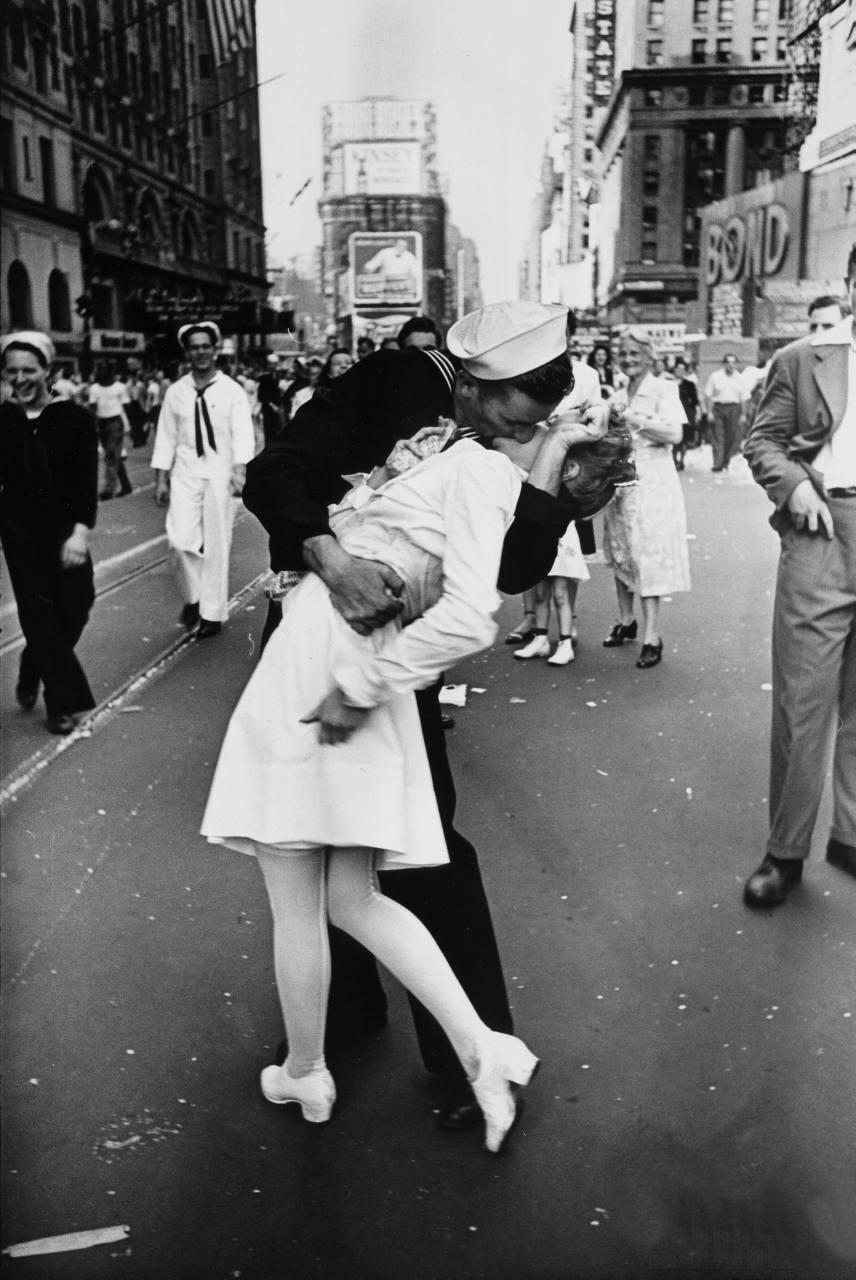
Unconditional Surrender: A Kiss Reconsidered
by Ron Vazzano
The 15th of August represented the 70th anniversary of the news that Japan had surrendered, which in effect ended World War II. Called V-J Day— though technically that is September 2nd with the signing of formal documents— it was a day of euphoria in which people took to the streets across America in a collective spontaneous celebration.
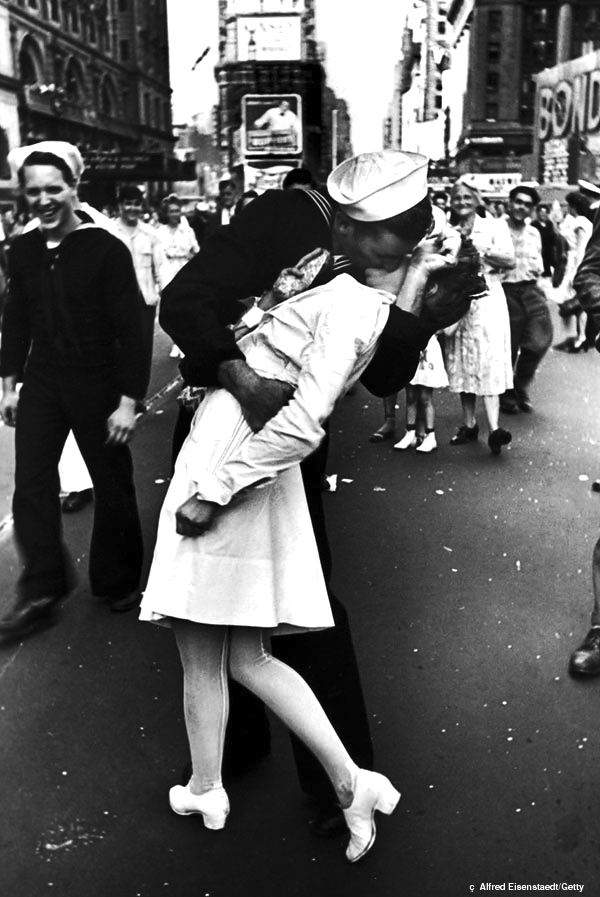
One overly exuberant (and inebriated) sailor in Times Square, took liberties in kissing seemingly every woman in his path. Famed photographer Alfred Eisenstaedt captured one of those unsolicited kisses planted on a non-consenting nurse—full on-mouth with 45 degree body dip for added flare— in what has arguably become the most iconic of photographs ever taken. And it has only been within the last three years, that the participants, both of whom are still living, have been positively identified as George Mendonça and Greta Zimmer Friedman.
And as a particularly interesting footnote, Mendonça was with his date on that day of his serial kissing; a woman named Rita, whom he would come to marry. (She is standing in the background of the photo.). And according to a news story that ran not long ago, they were approaching their 69th wedding anniversary.
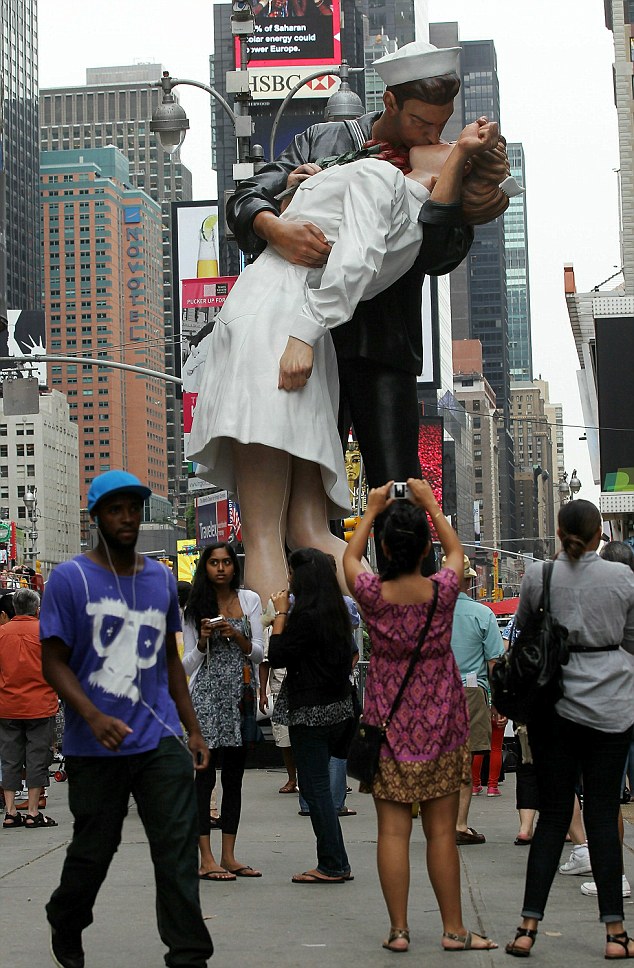
That moment in turn, has inspired a series of sculptures by artist Seward Johnson, which in an obvious play on words, he entitled Unconditional Surrender. The original was first installed in Sarasota in 2007, and it has since moved about as if on tour, to San Diego, Hamilton, New Jersey, Pearl Harbor, New York— in Times Square of course. And when it showed up last year in Normandy, France, a French feminist group petitioned to have it removed immediately, claiming that it depicts an act of sexual assault on a woman who did not give verbal consent to being kissed, and essentially being manhandled.
When I caught sight of it recently, it did now seem a bit icky. Especially given its mammoth 25-foot size, which only magnifies the transgression as evidenced once again, by the nurse’s posture and body language. It can hardly be called compliant.
But beyond what is debatable about the appropriateness of that kiss, is that it emerged from a state of mass and spontaneous—the operative word here— euphoria. When did that last happen? Where people took to the streets to celebrate as one? And under what circumstances can you imagine something like that ever happening again?
Yes, we celebrate each New Year in this very Times Square. As we do Mardi Gras in New Orleans. As we do in parades for one thing or another in the cities and towns across America every year. But all are planned and well-orchestrated. What now would make us suddenly, and joyously, take to the streets unscripted? If anything, more the likely we would “take to the Tweets.” But even in that contemporary forum of spontaneous expression, there would no doubt be dispute, with not everyone being on the same virtual page. Which brings one to consider war itself: what winning of what war today would be cause for celebration? How do we even define war any more, much less what constitutes the winning of one?
Ultimately what grabbed me looking at that statue, is how much more complex our life and times have become; how less black and white than that summer’s day in ‘45.
With that, we made our way over to Chez Josephine’s, a retro Paris bistro— circa: pre-war 1930’s— on 42nd Street and 9th Avenue, for a cool drink to beat the summer heat.
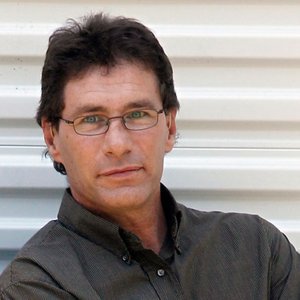 “With the web and social media, imagery is more important than ever. When I was a Congressional press secretary, I probably shot 10,000 frames of just one person (itself a challenge). But imagery sticks in the minds of viewers – and my goal is always to accurately show people whom my subject truly is. Through imagery, I’ve tried hard to convey that. With artists – an accurate image showing their passion and talent is worth well more than a thousand words. “ Mitch Traphagen
—–
We’ve had the great pleasure to get to know Mitch Traphagen through his photographs and films taken at Artists Without Walls’ Showcases and now with his photo work on the Artists Without Walls/Charles R. Hale production of a short film, “A Moment.”

Who is Mitch? Mitch is a photojournalist, a former Congressional press secretary, and a former systems developer and senior executive for a Fortune 30 corporation.
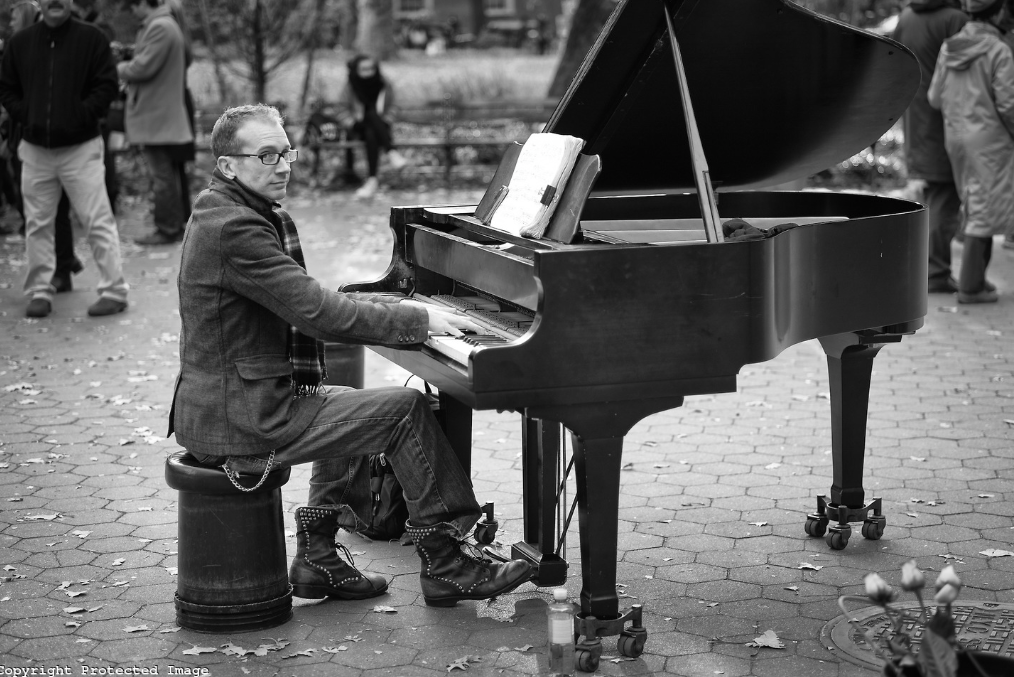
He’s based in both the NYC and the Tampa Bay area. He is available to performing artists and for editorial, feature and documentary services — both photography and the written word. For artists, he will work to not only document their unique talents but will also work within their budget.
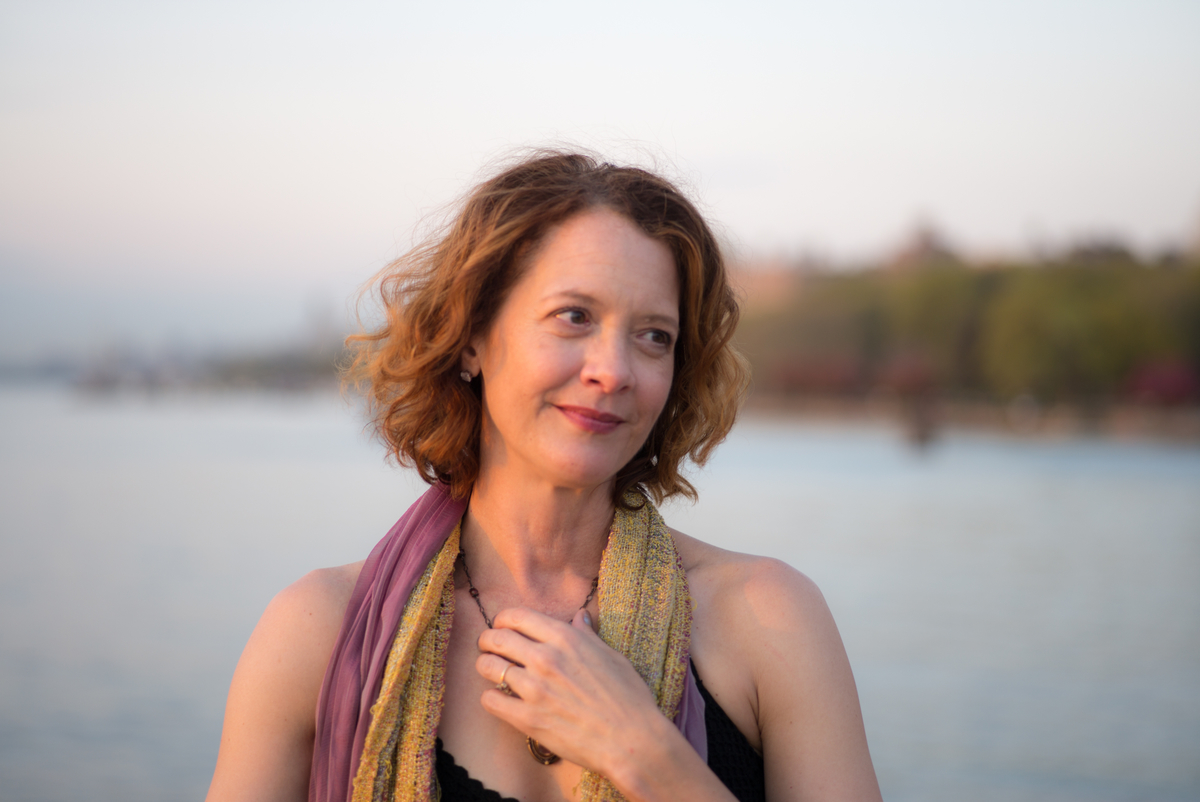
Since 2011 he has primarily gone to Leica for documentary photography with both the Leica M240 and the Leica M Monochrom cameras. In addition, he has a full compliment of professional Canon gear for both still photography and videography. His equipment also includes full professional audio recording capability and a full video editing suite.
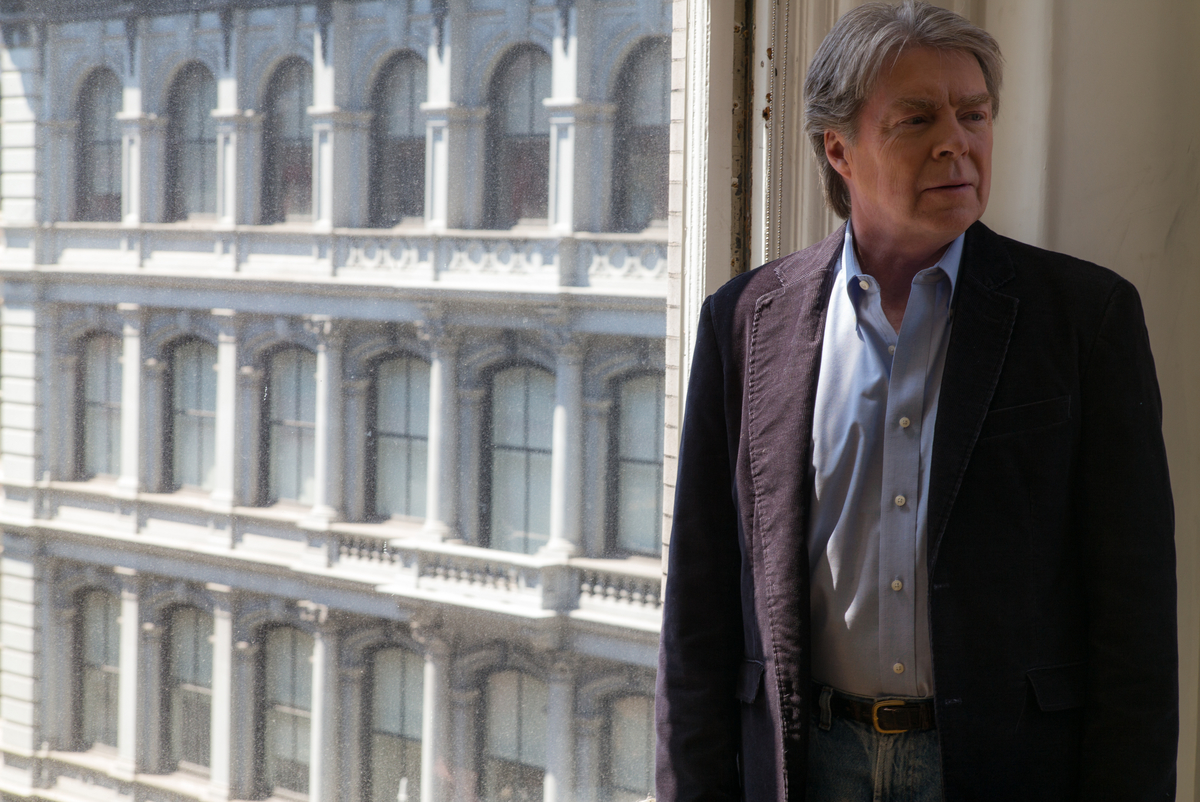
Over the years, Mitch has documented hundreds of lives, places and events. He works hard to ensure the images and words he uses accurately portray the subject. Borrowing from Gay Talese, he tells the truth in an interesting way.
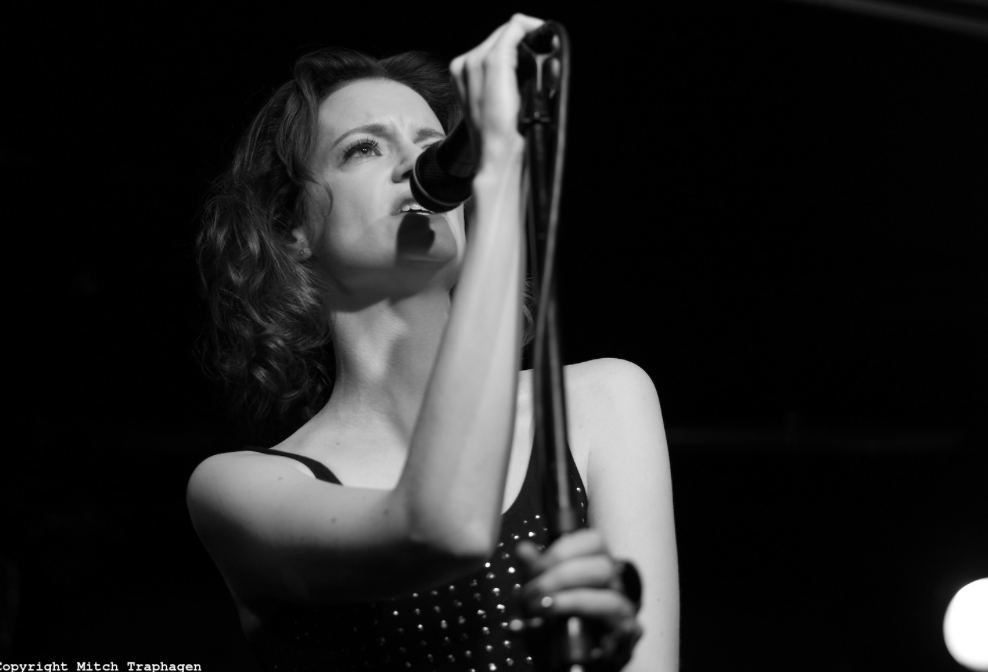
Since 2002, he has won more than 70 awards for excellence for editorial writing and photography from the Community Papers of Florida, an organization of newspapers with a combined readership of nine million people. Mitch is a member of the National Press Photographers Association and the Society of Professional Journalists.
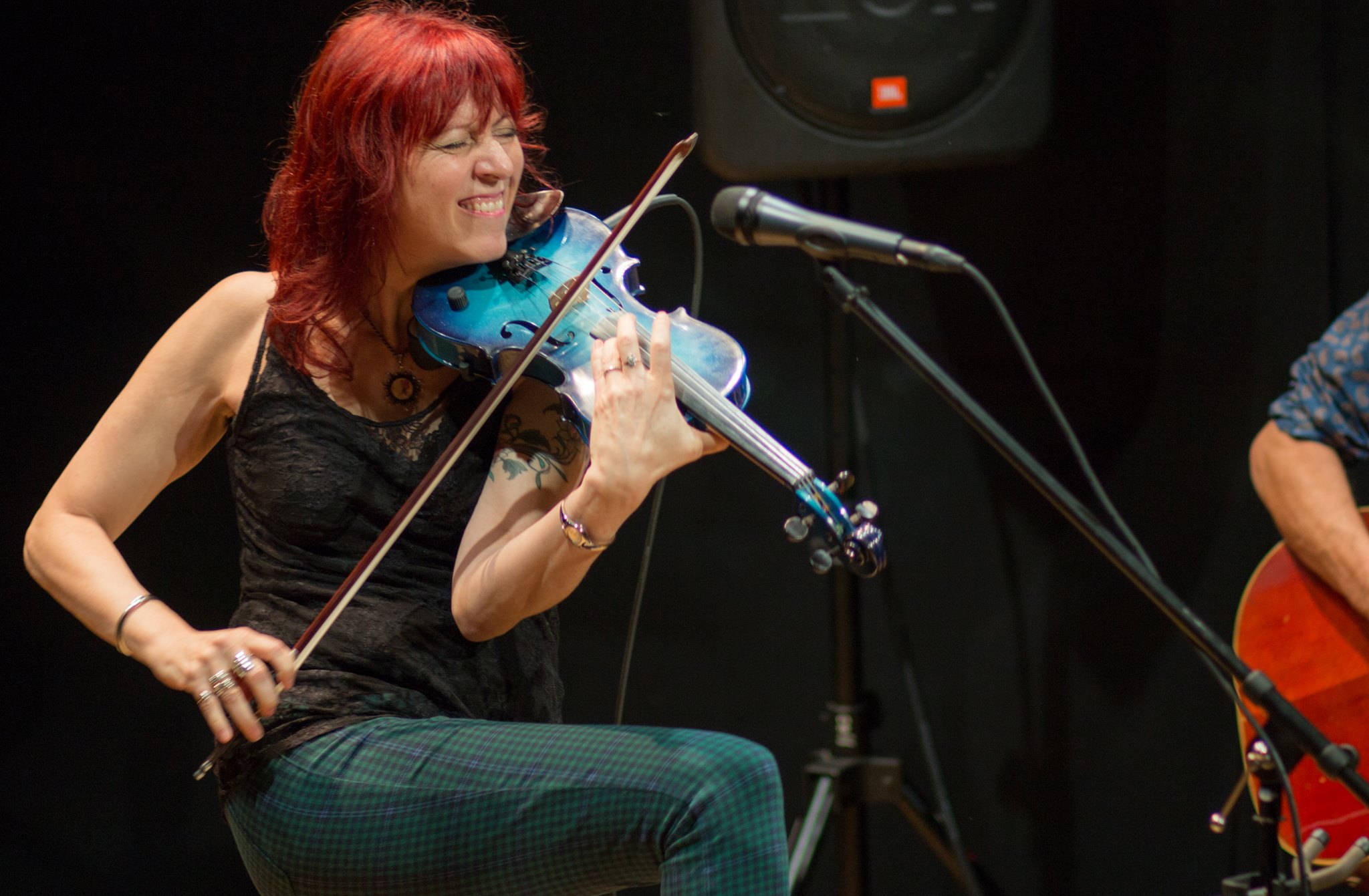
You can learn more about Mitch and see his work by clicking here.
You can contact Mitch at:
Tampa: (813) 426-4177 (text message preferred)
New York: (646) 926-7309 (text message preferred)
The sixth poem in Angela Alaimo O’Donnell’s series. Click “Crossing Ireland” for the opening essay. More about Angela Alaimo O’Donnell
SPIDEIL ROAD, GALWAY BAY II
Here at the margin of the world all is edge.
Rock juts against green hedge,
the sea cuts a long knife of shore,
sky meets sand in a bleared scrim,
all muffled in a cotton of fog.
Amid the blab of the pub
I’m made to feel welcome.
Then the savage cut,
sudden as blood,
struck by the stranger
or, worse, my child
irked by my joy and banter.
I fade into that fog,
walk among the ghosts
as I hear the dead tales
told of me:
she was a nuisance
and our great fool.
The wounds still fresh,
today I eye
the same sea & earth & sky
with a difference.
–
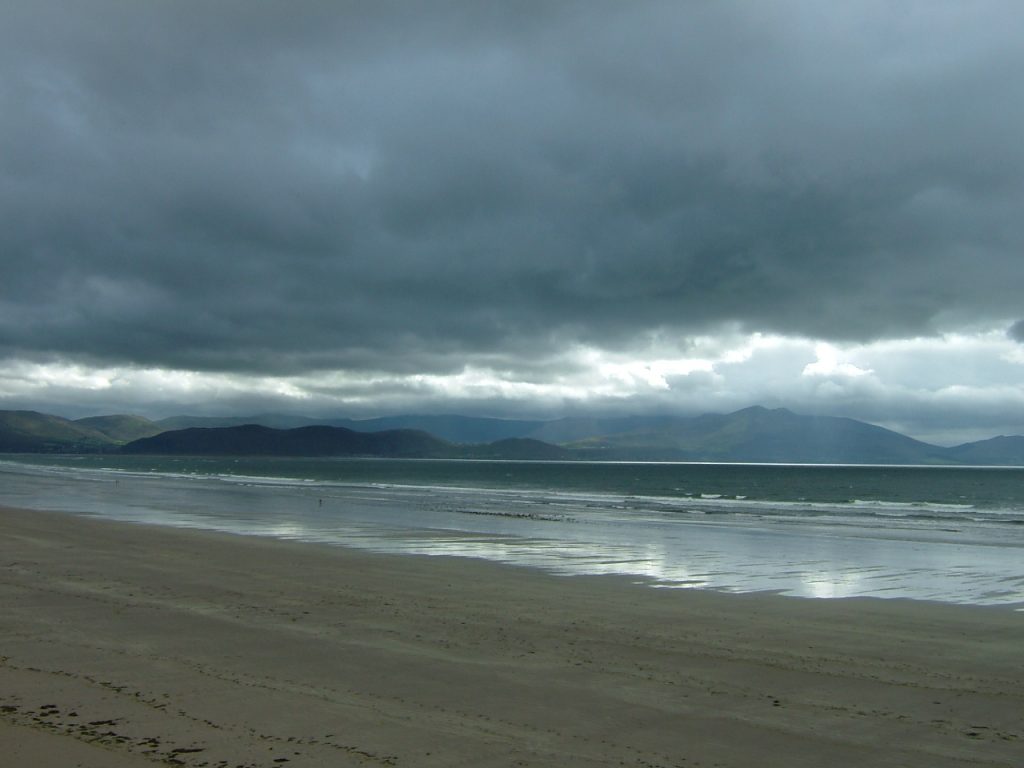
Photo by Charles R. Hale
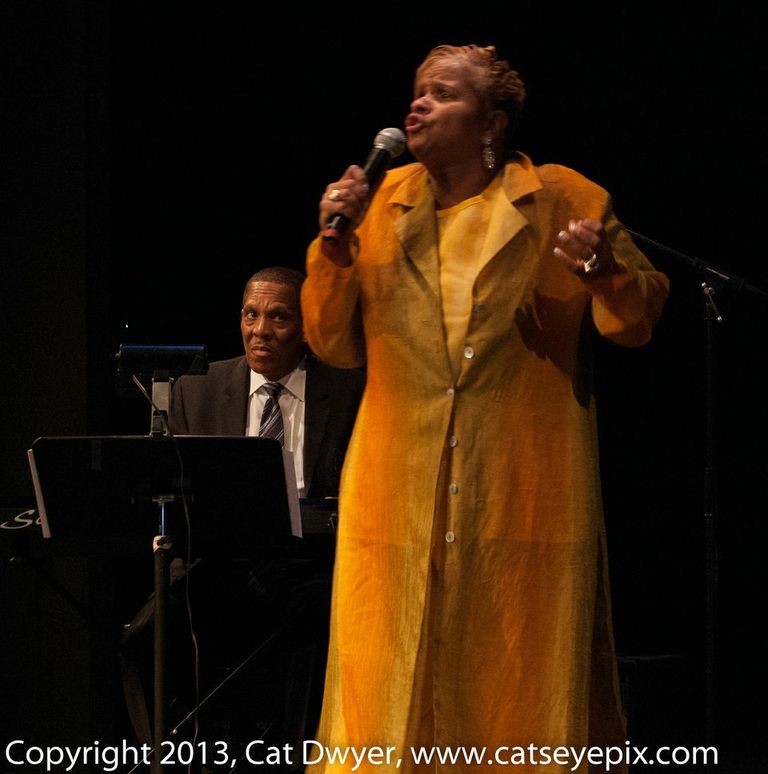
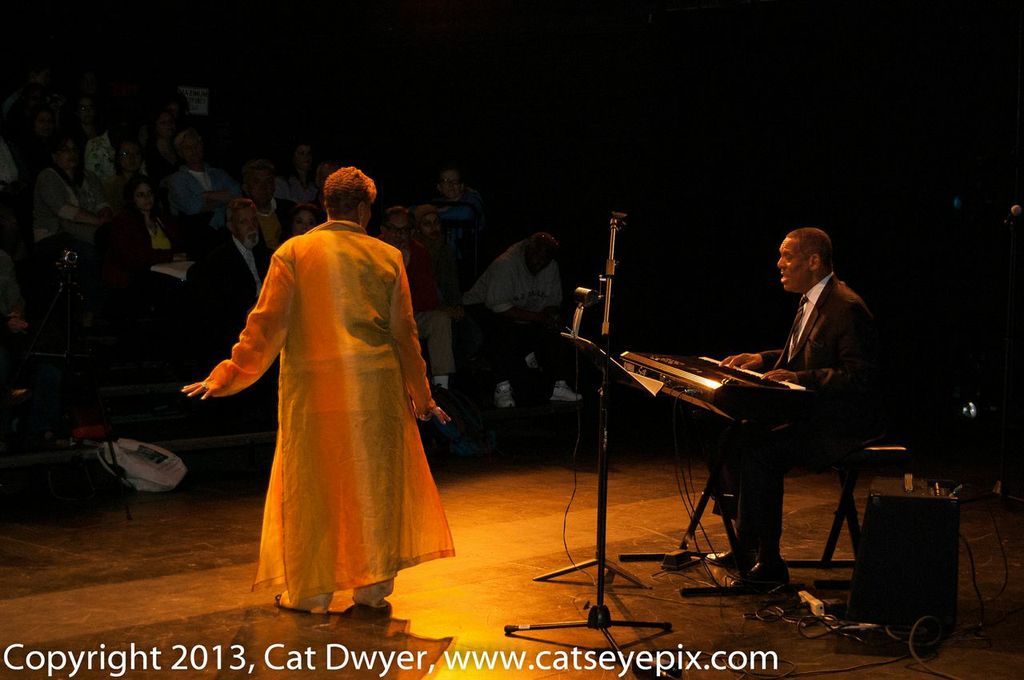
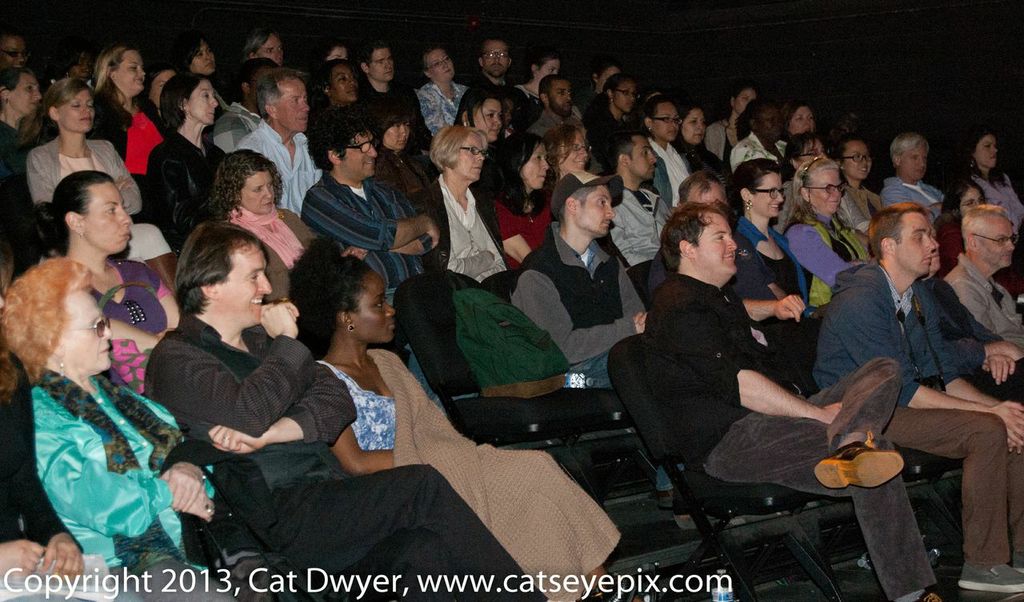
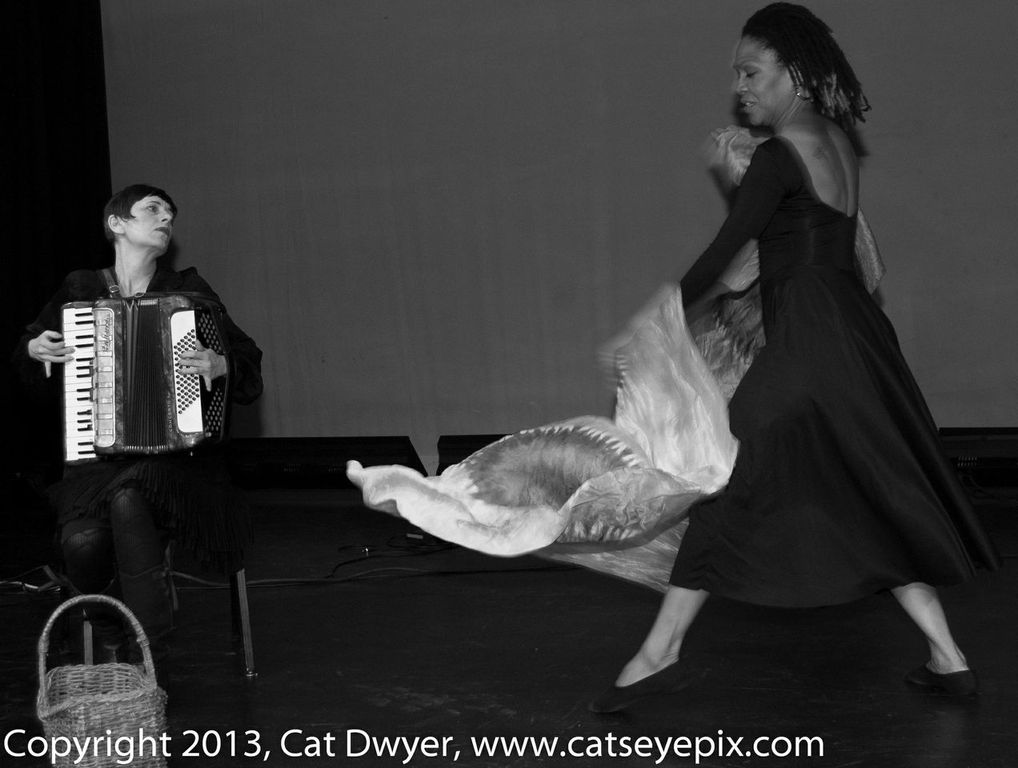
Cat Dwyer’s photos of the Artists Without Walls’ Showcase at Lehman College, April 25, 2013. The names of the artists appear above the pictures.
“Street Genius” Billy Barrett
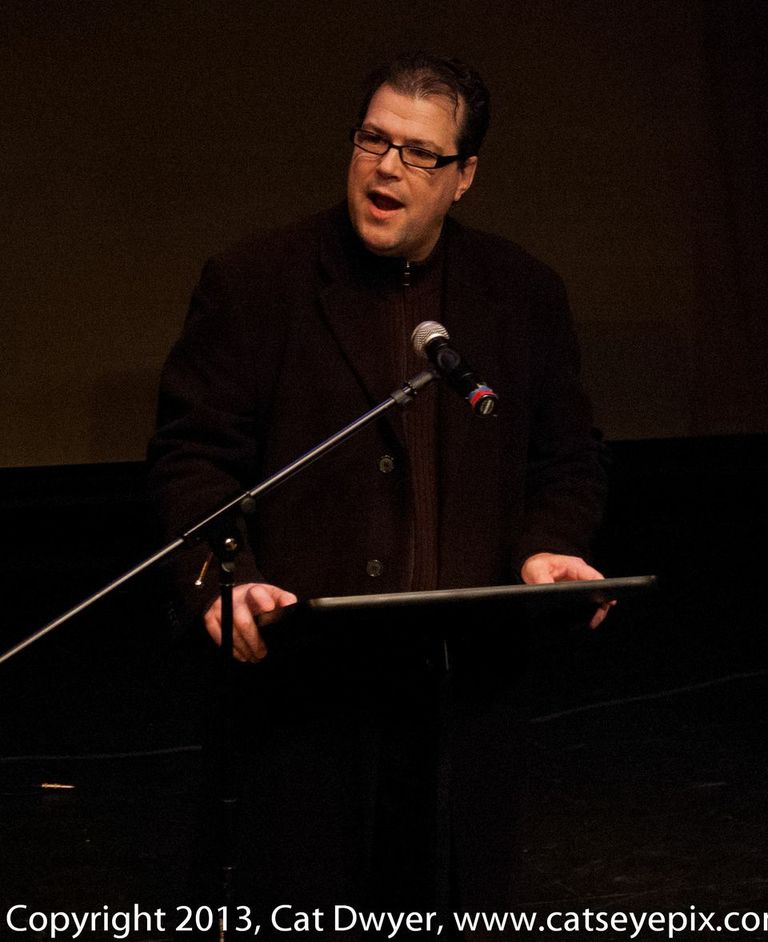
Antoinette Montague and Danny Mixon
Antoinette and Danny
Enjoying Antoinette and Danny
Marni Rice and Xio Evans
Koro
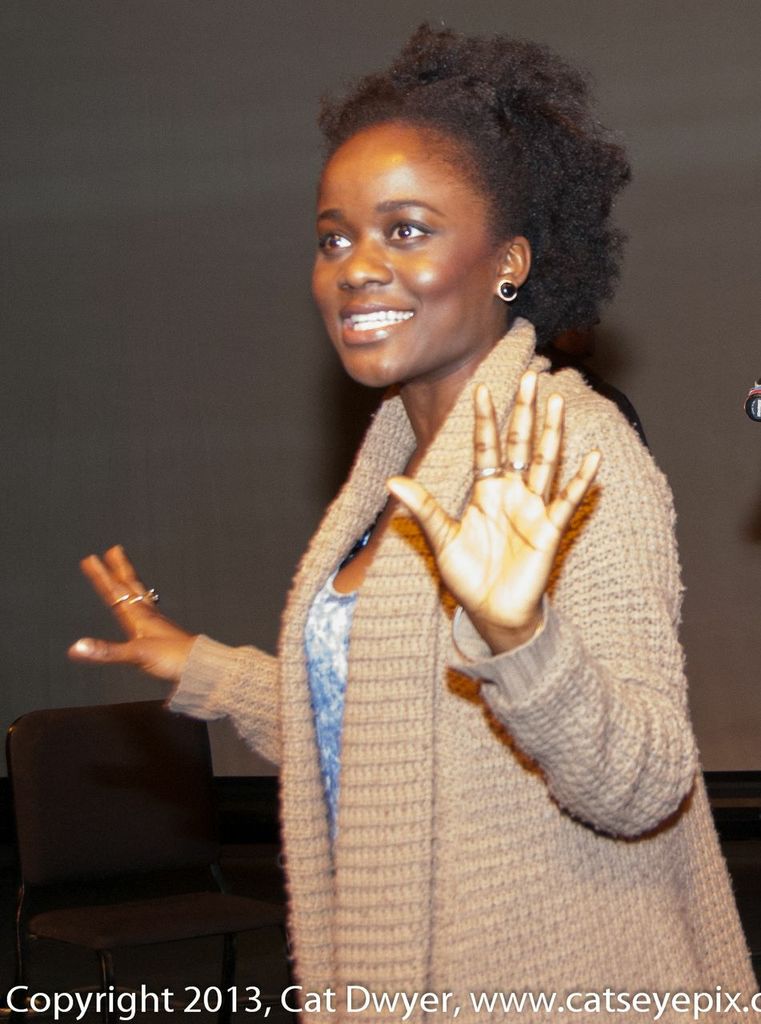
Moley and Owen O’Suilleabhain
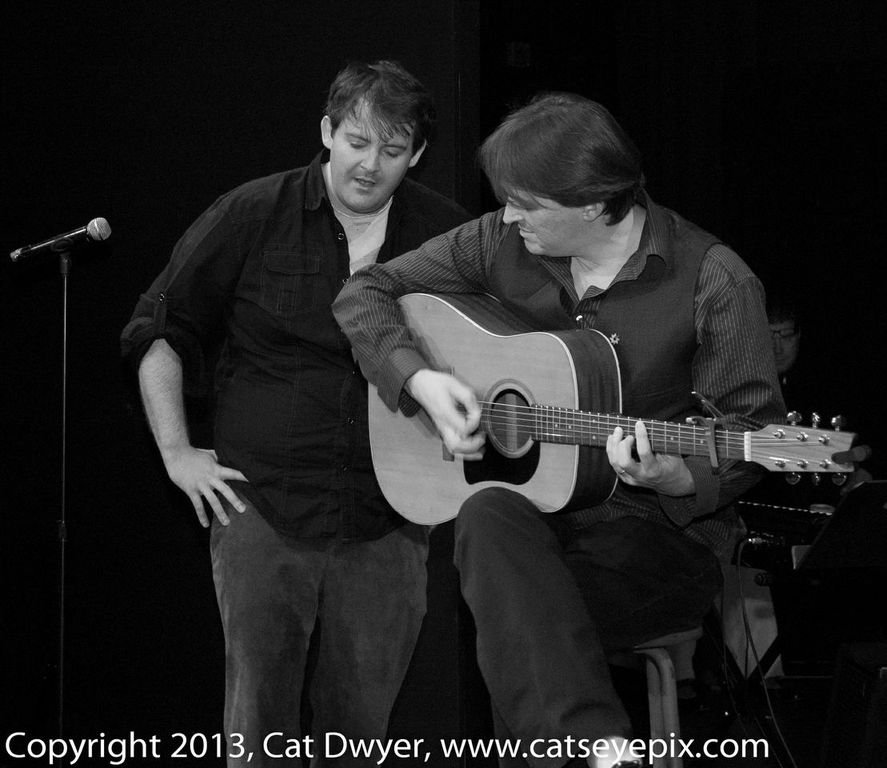
Owen, Koro, and Moley
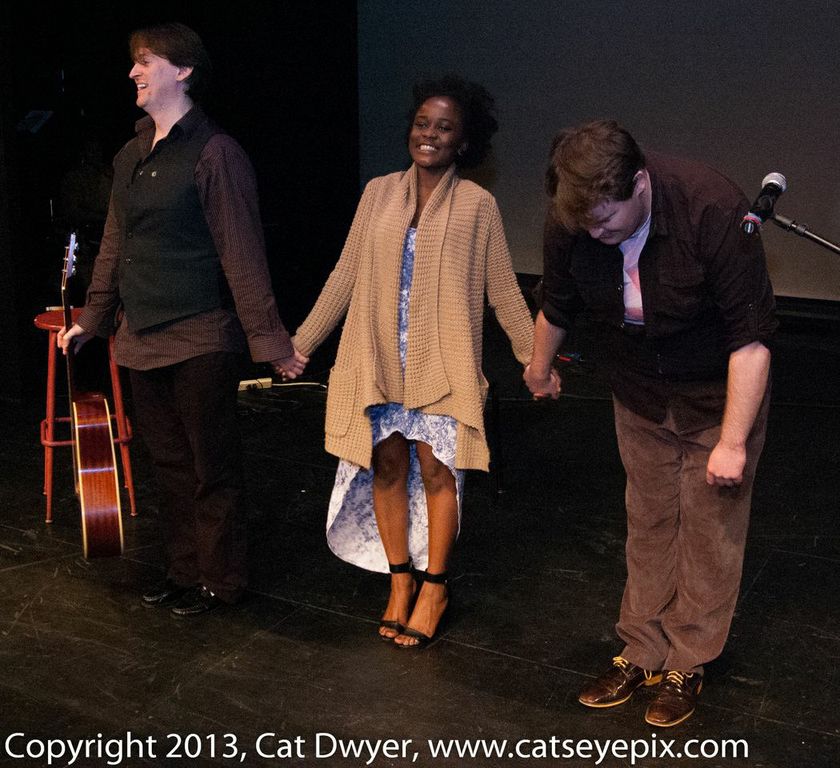
Paul Nugent and Katherine O’Sullivan
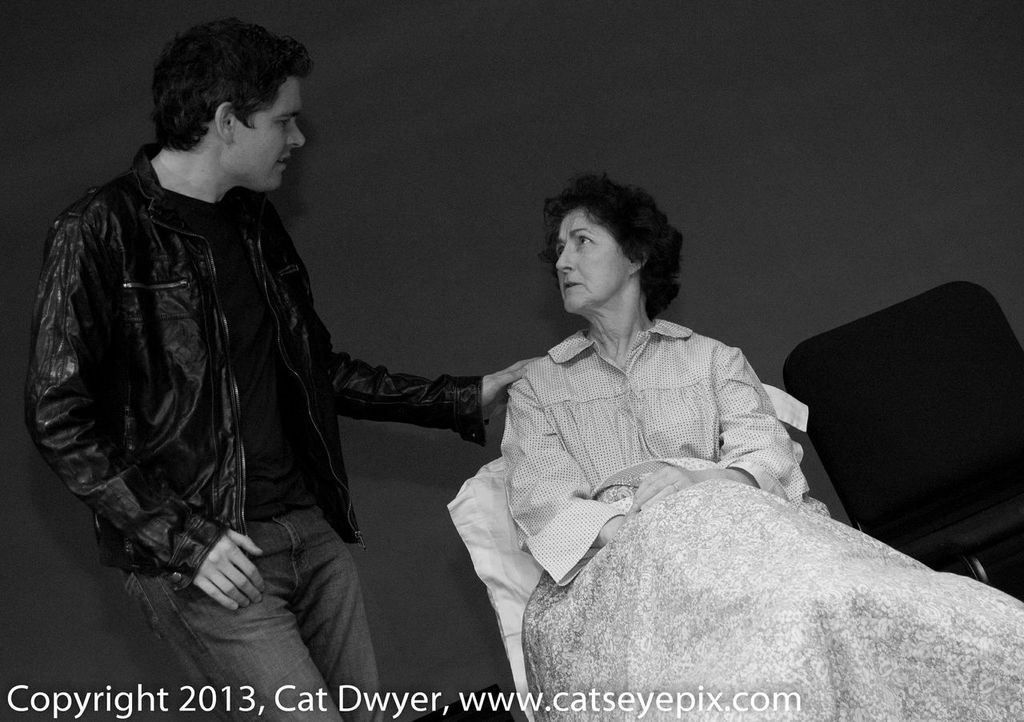
Annette Homann
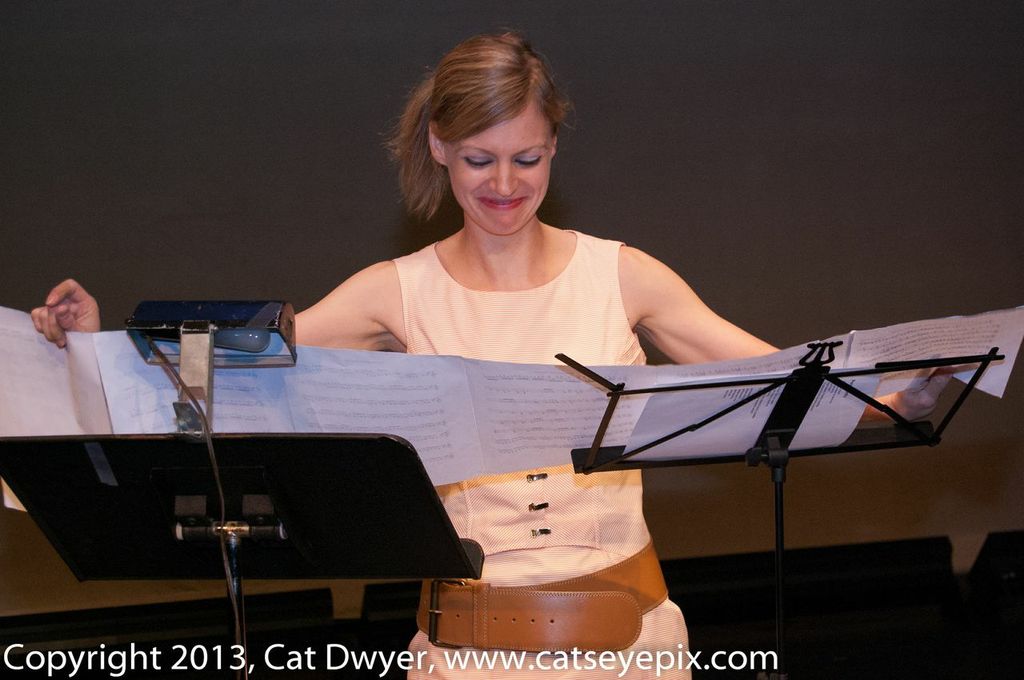
Thad DeBrock and Salina Sias
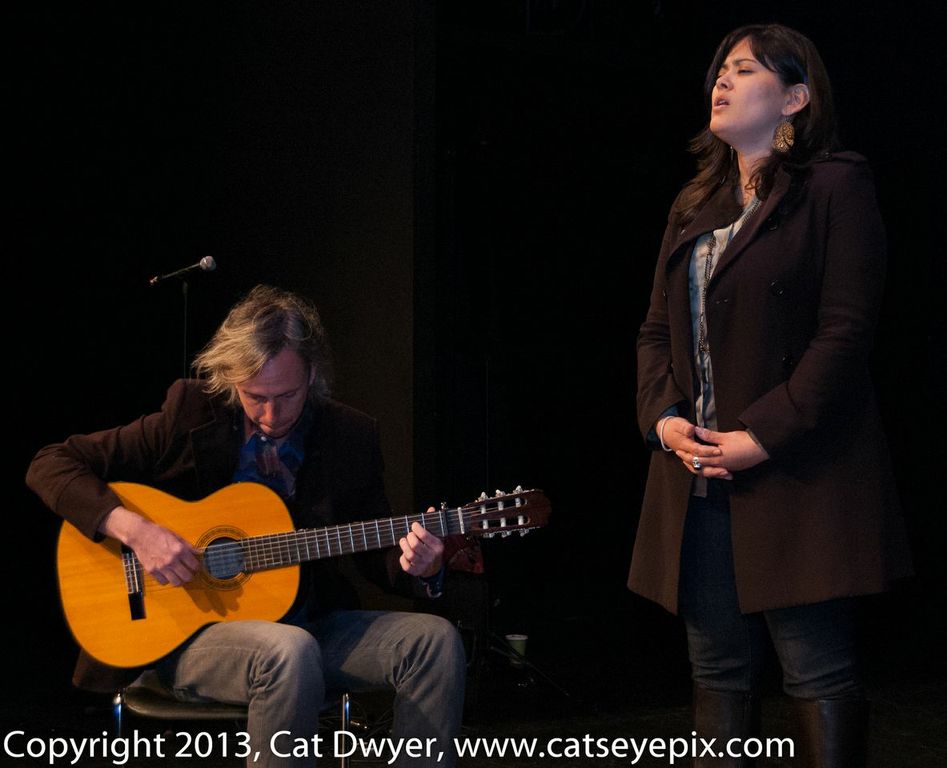
Honor Finnegan and Aviv Roth
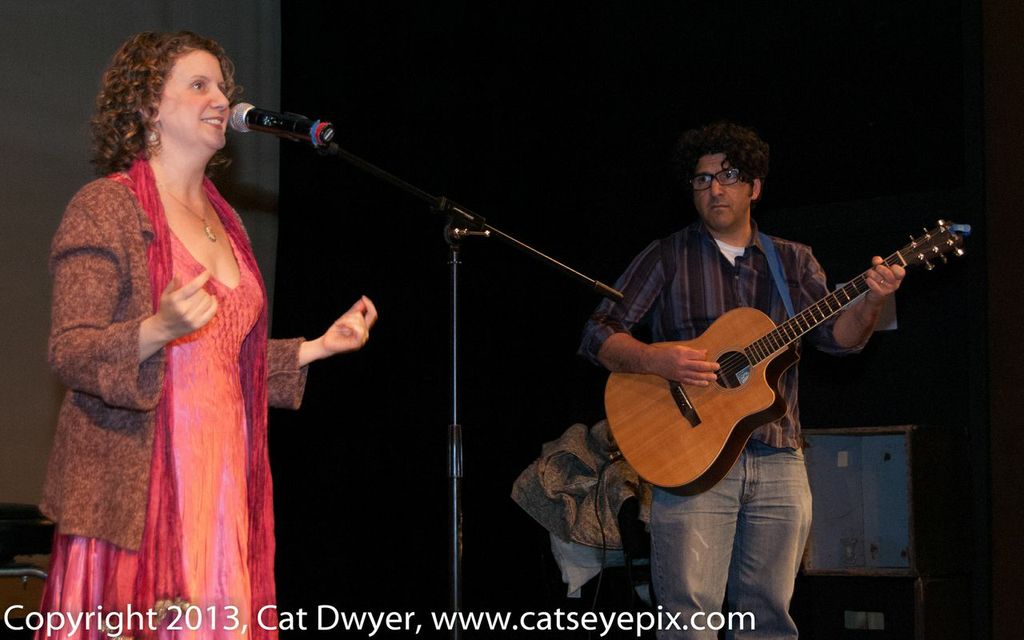
Cat Dwyer’s photos of the AWoW Showcase at The Cell Theater, March 26,2013.
Annette Homann
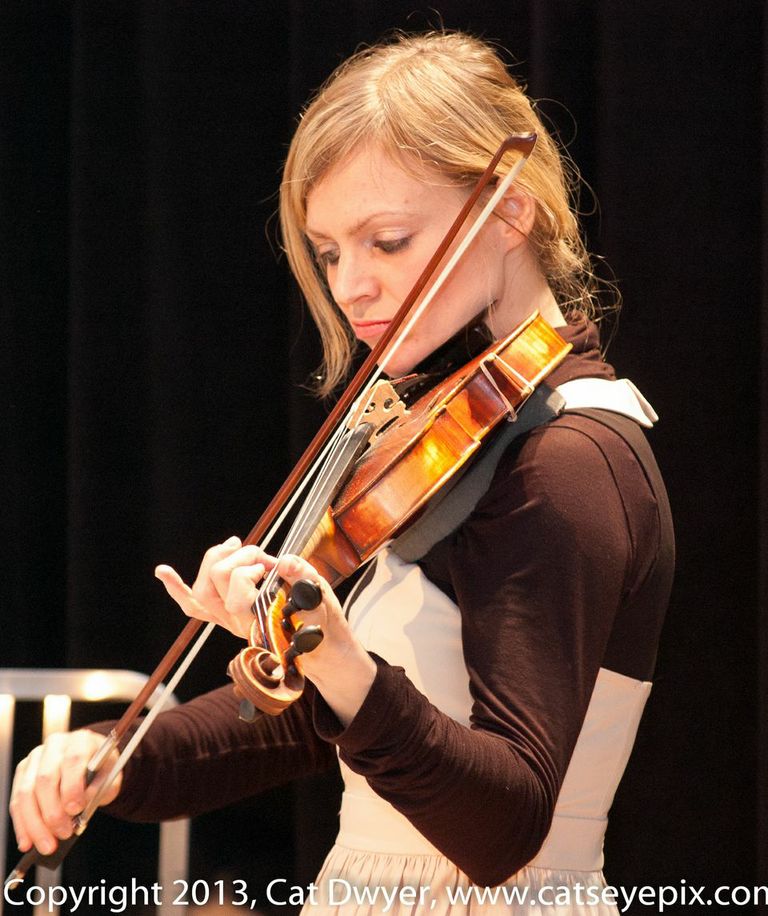
Michele Cetera
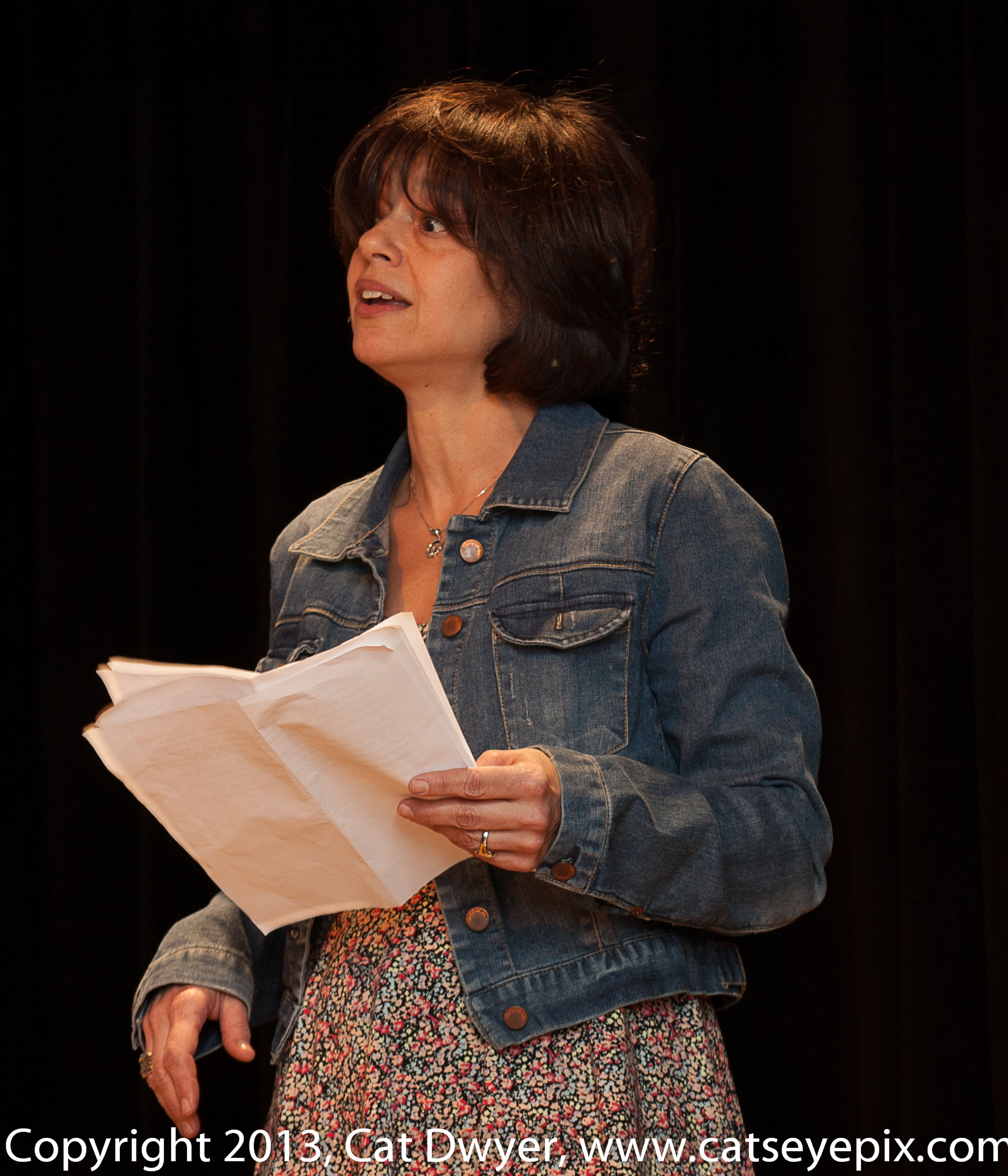
Yoko Inagi

Honor Finnegan
Junior Castillo and Bianca Love
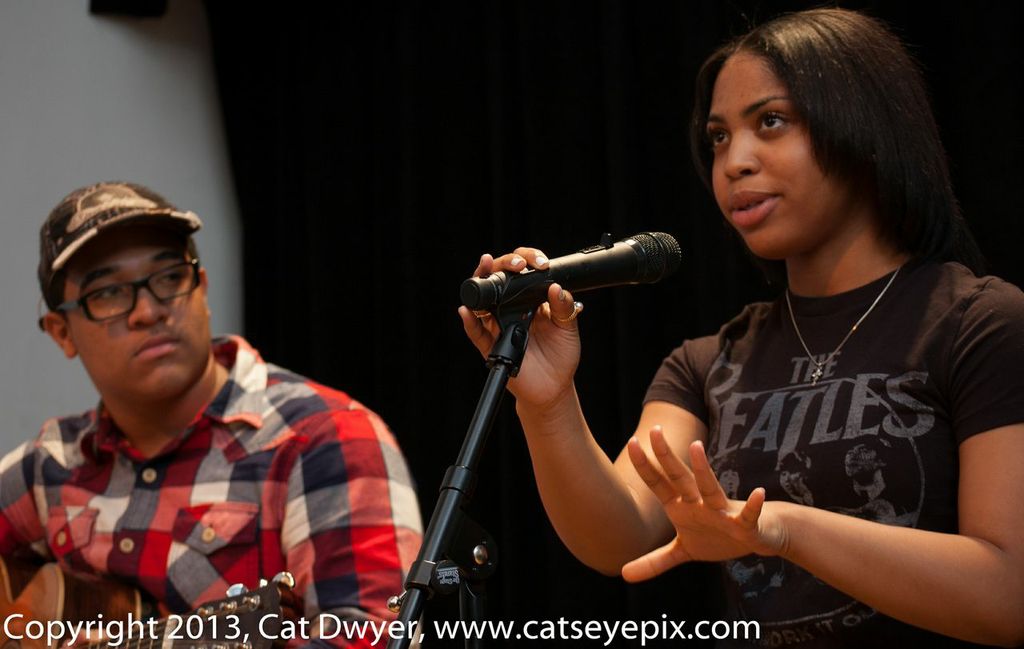
Moley and Owen O Suilleabhain
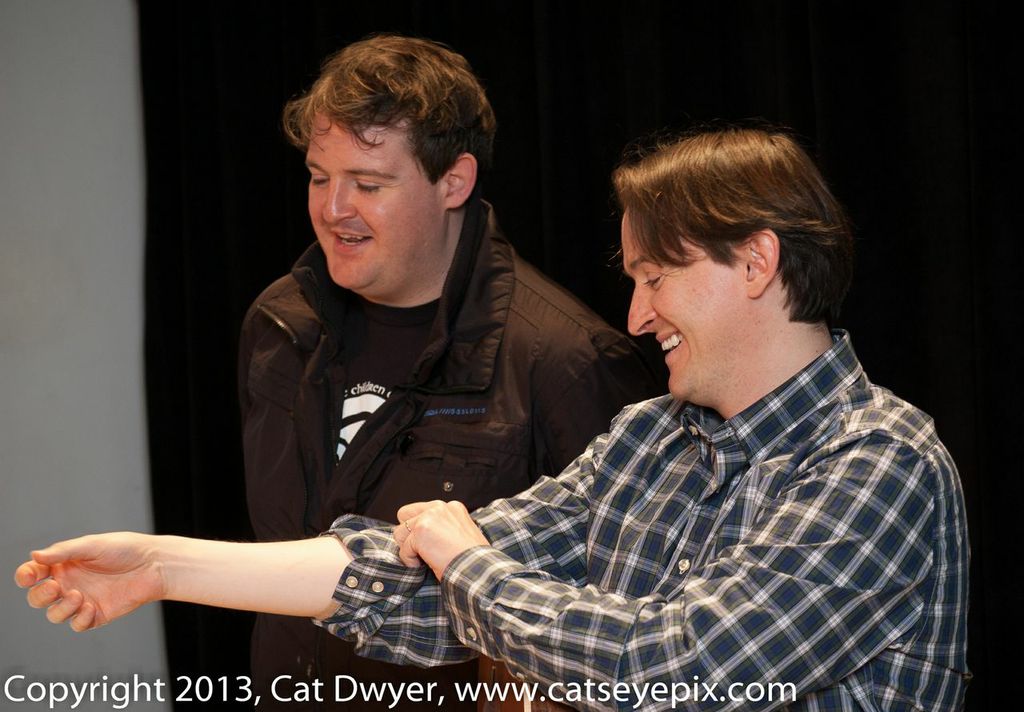
Noel Lawlor
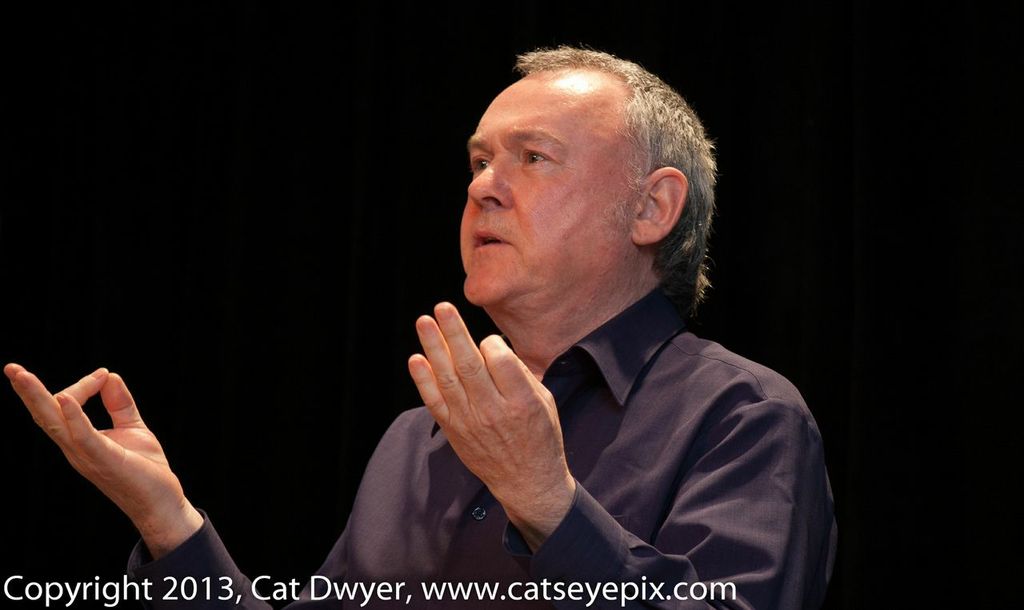
Ellen Scarsella
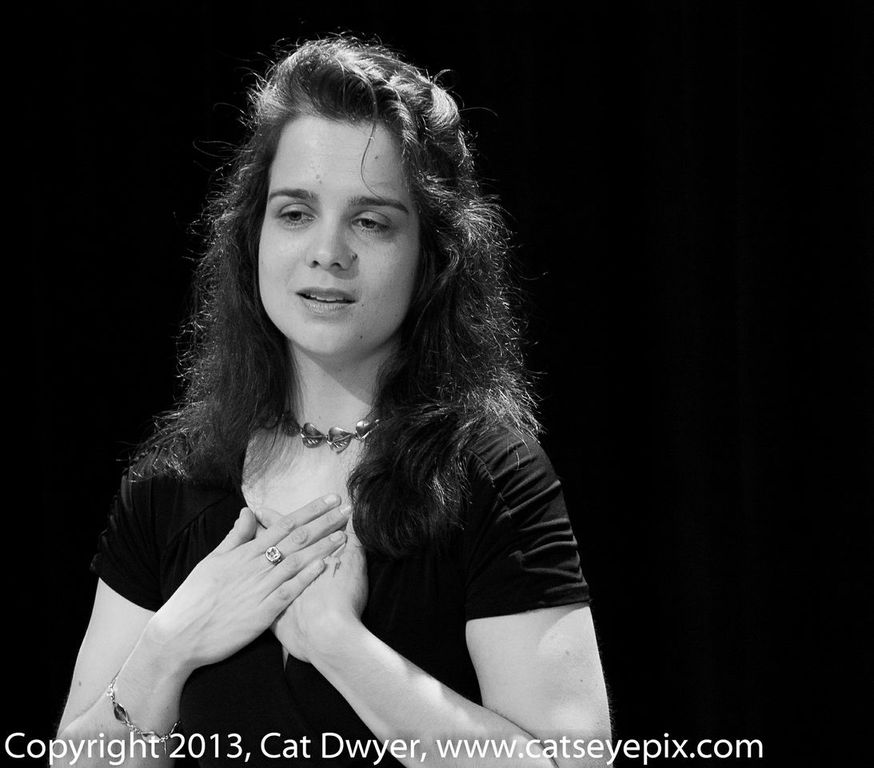
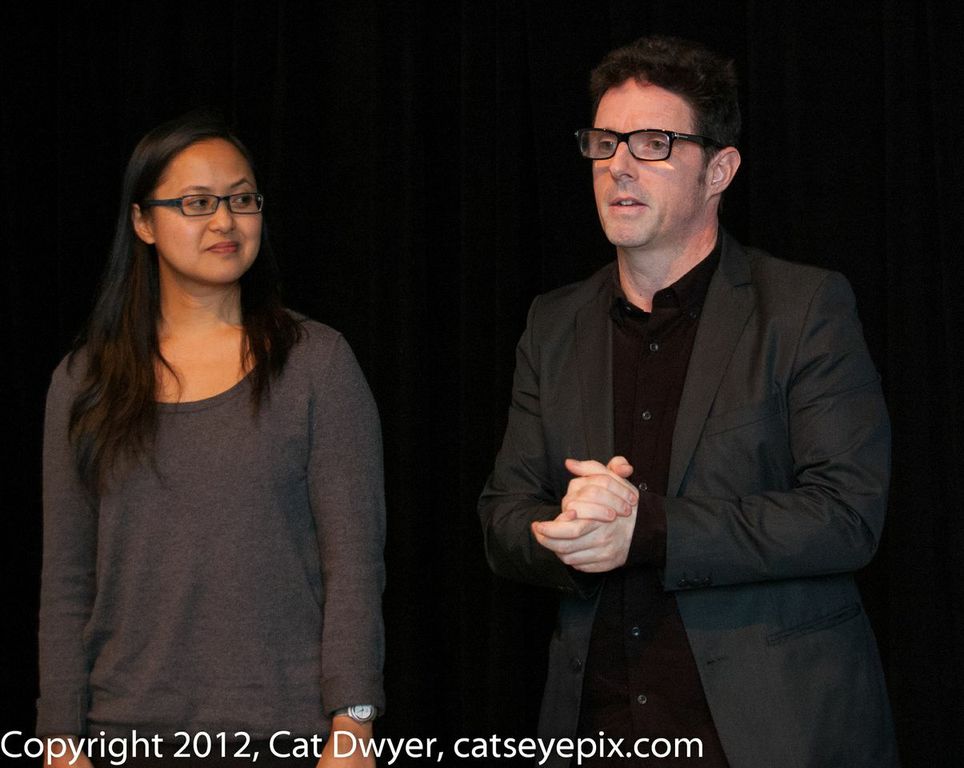
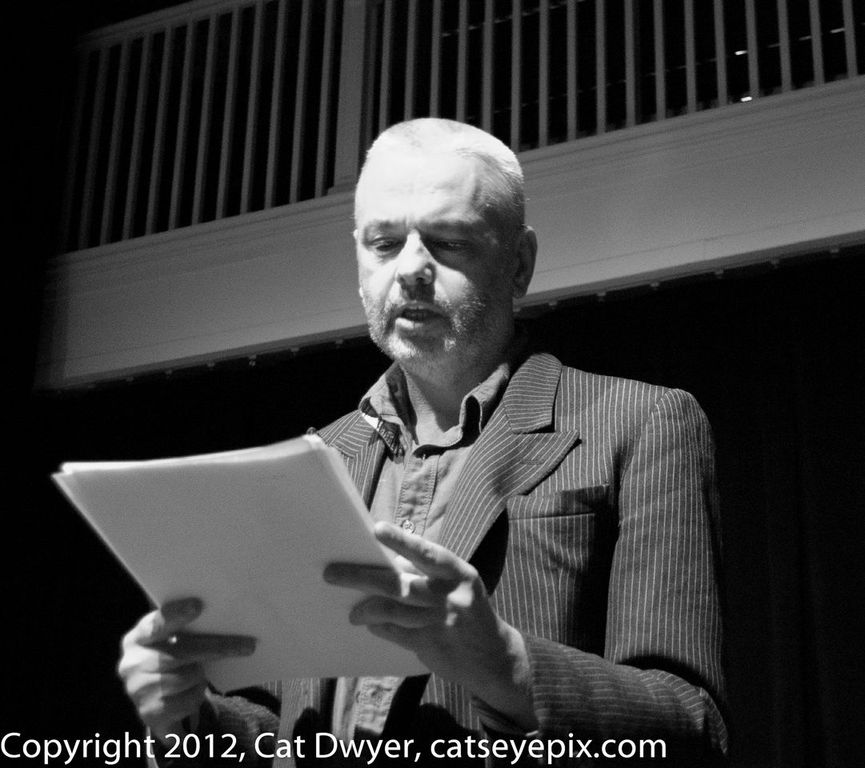
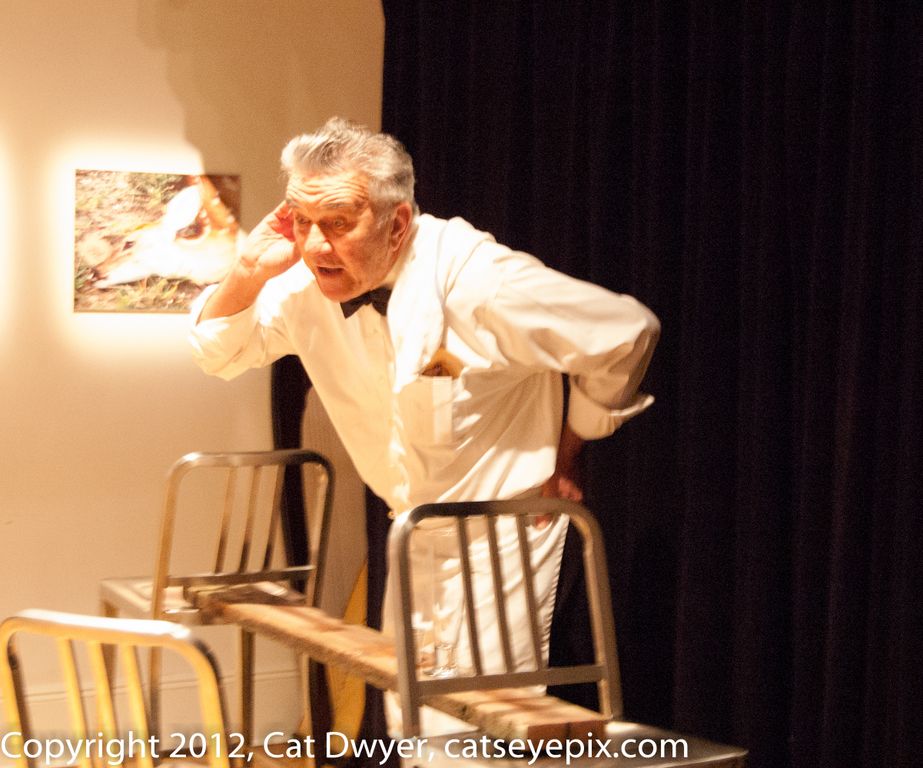
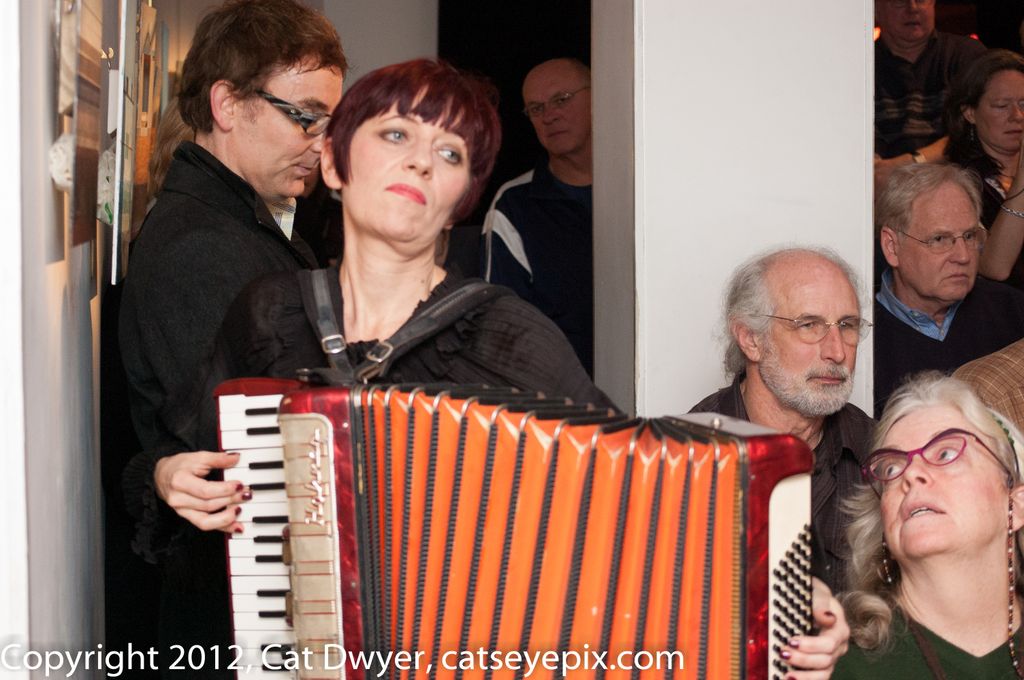
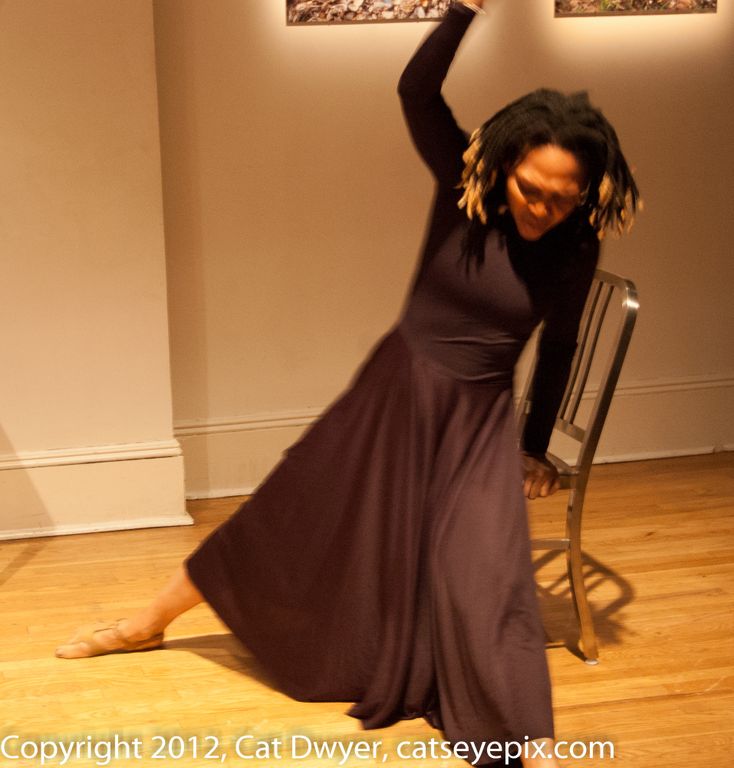
Cat Dwyer’s photos taken at the Artists Without Walls’ Showcase, The Cell Theatre, 2/26/12. The names of those pictured appear below the photo.
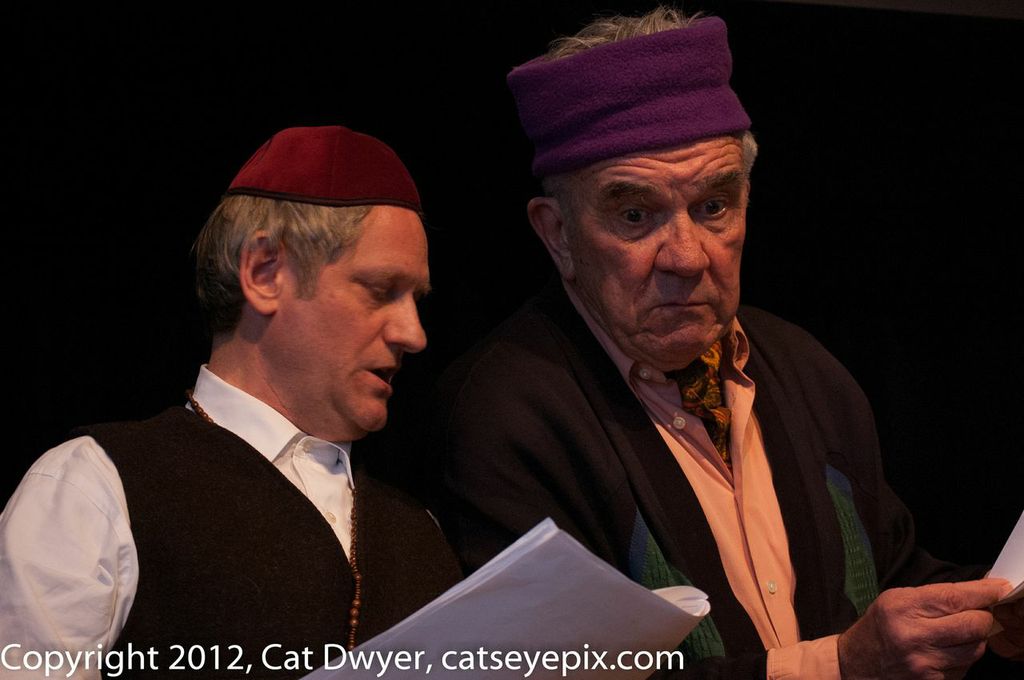

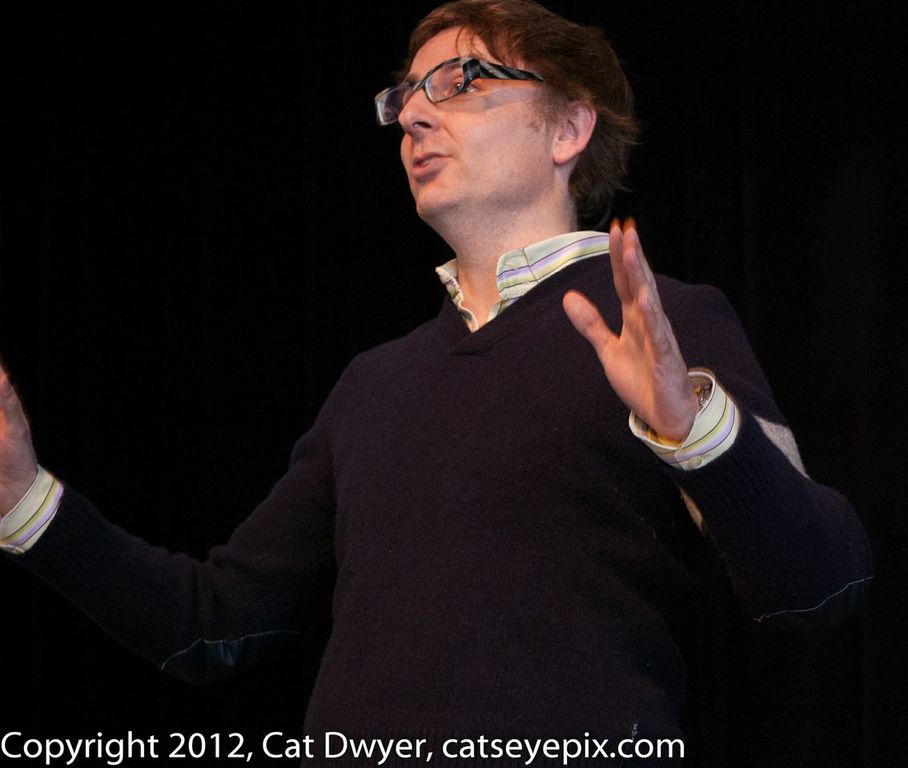
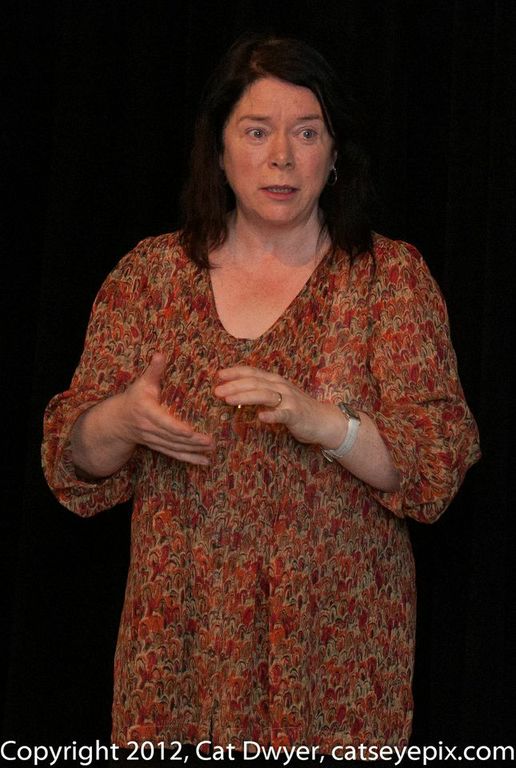
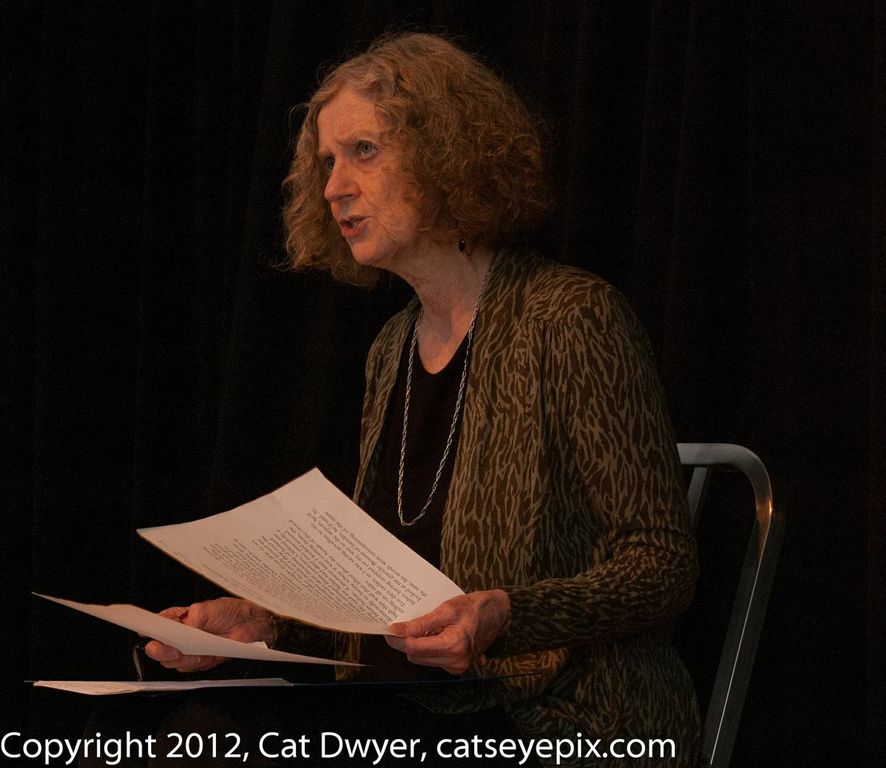
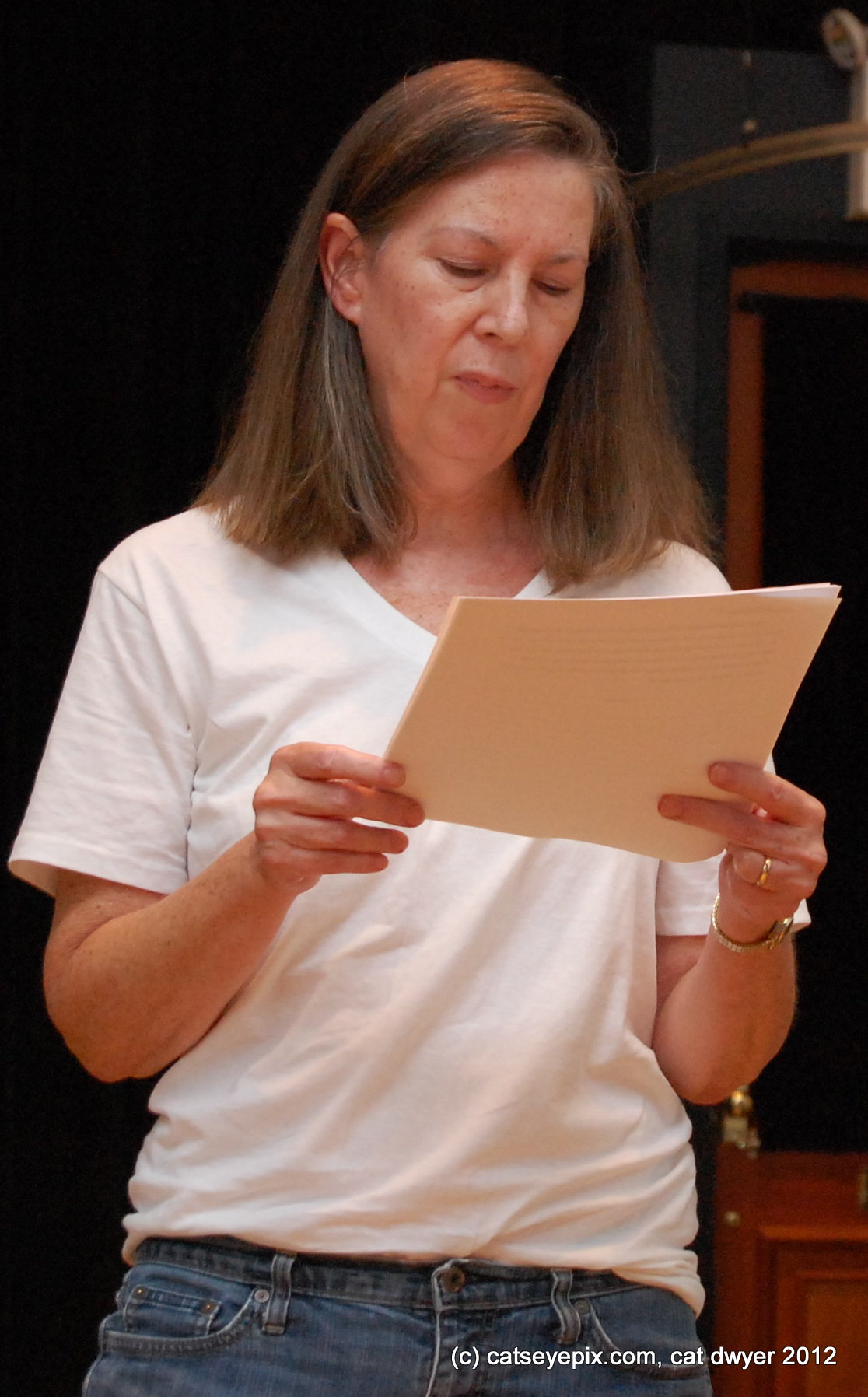
Jack O’Connell lamenting to Mr. Tumulty the neighborhood’s transformation from upscale to “Desolation Row.”
Marni Rice presenting “Have You Seen My Son.”
Dancer/choreographer Xio Evans is the director and founder of The Experimental Dance Theater of Puerto Limon.
Marni Rice and Xio Evans
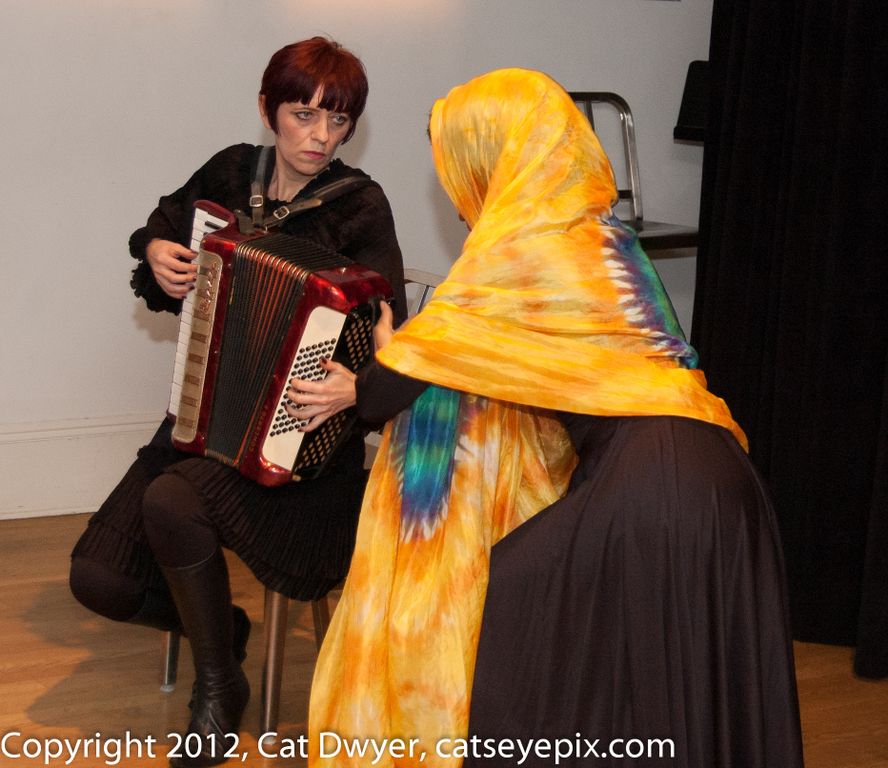
Playwright/novelist Honor Molloy reading Samuel Beckett
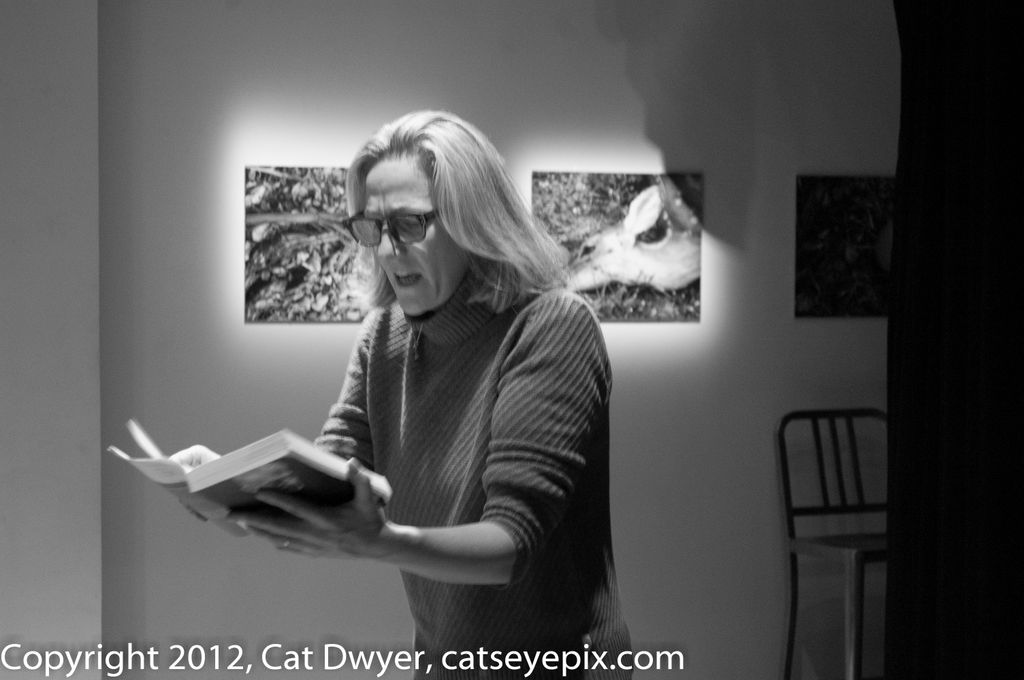
“Highway Star” Billy Barrett kicked off the evening.
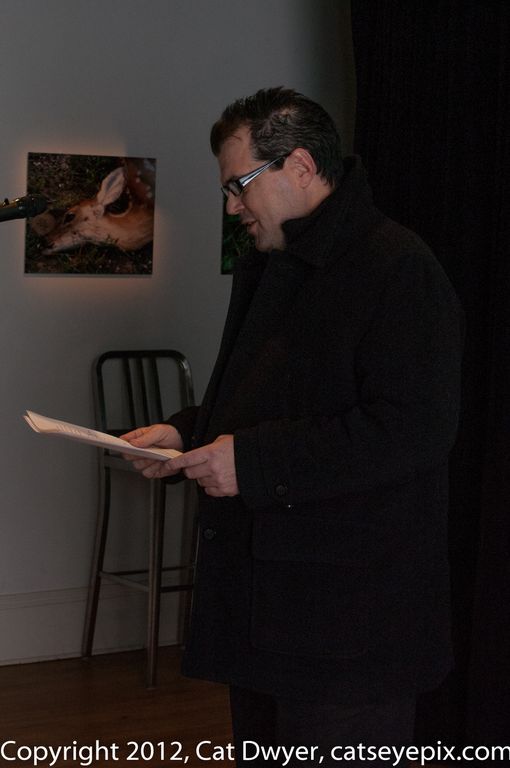
Tara O’Grady and Niamh Hyland closed the evening. Here Tara sings “Summertime,” Billy Holiday style.
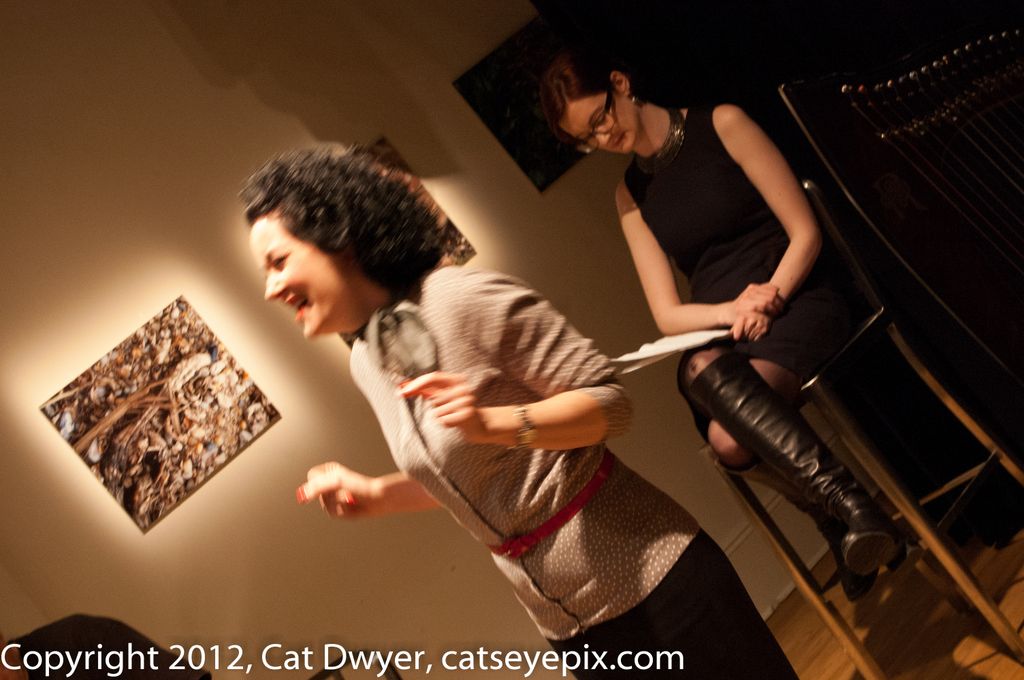
Lewis Hine was best known for his use of photography as a means to achieve social reform. His camera became a powerful means of recording social injustice and labor abuses. In 1904 Hine photographed the thousands of immigrants who arrived at Ellis Island. Hine came to realize that he could use his camera for both educational purposes and social reform.

In 1908, Hine then turned his efforts to investigating and photographing child-labor abuses, both in factories and on the streets. Hine was comfortable talking with children and would attempt to get as much information as possible regarding their living conditions, the circumstances under which they were forced to work, and their names and age.

Through his photographs, Hine was able to inspire social change. His photos documenting the horrid conditions under which children were employed, made real the plight of these children. This led to the passage of child labor laws.

Hines was also well known for his photos of the building of the Empire State Building. Hine photographed the workers in precarious positions while they secured the iron and steel framework of the structure, taking many of the same risks the workers endured. In order to obtain the best vantage points, Hine was swung out in a specially designed basket 1,000 feet above Fifth Avenue. Of the many photographs Hine took of the Empire State Building, “Icarus Atop Empire State Building” became his most popular. To this day, one thing has always baffled me, particularly considering our modern day world in which everyone has his or her fifteen minutes of fame: The steelworker in this iconic American photo remains unidentified.