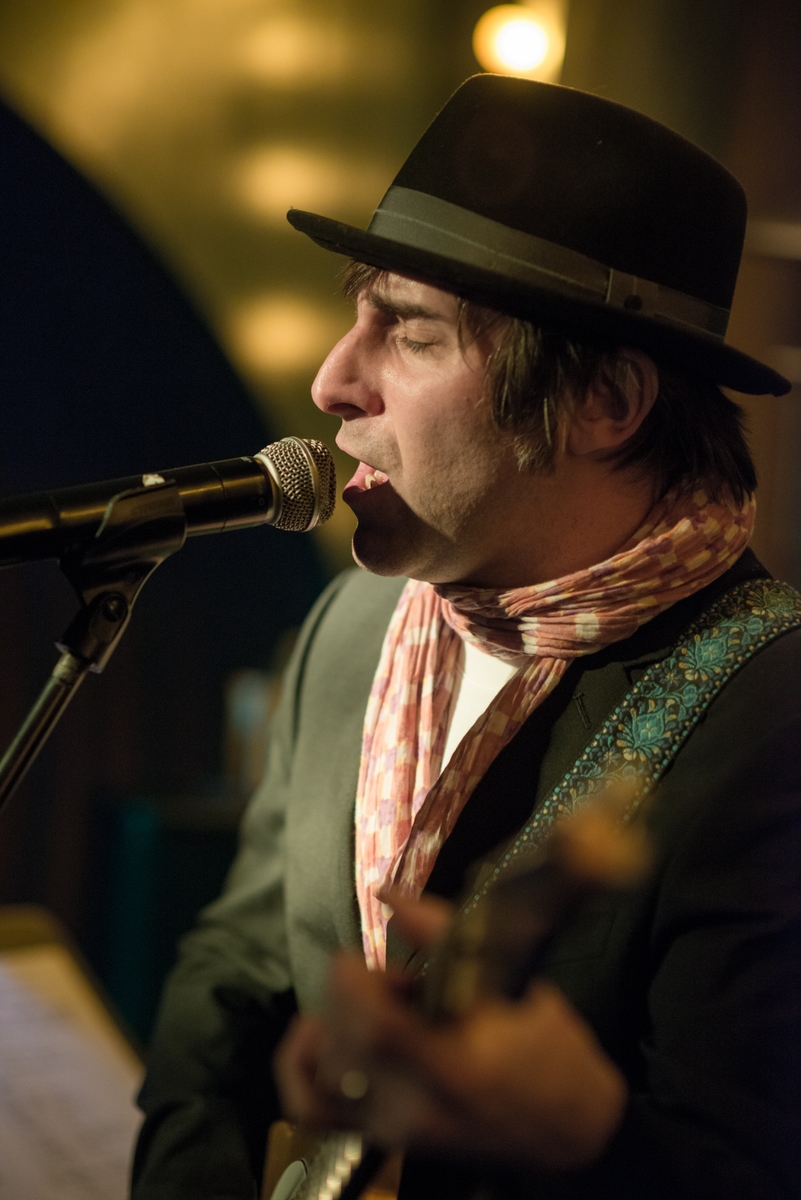
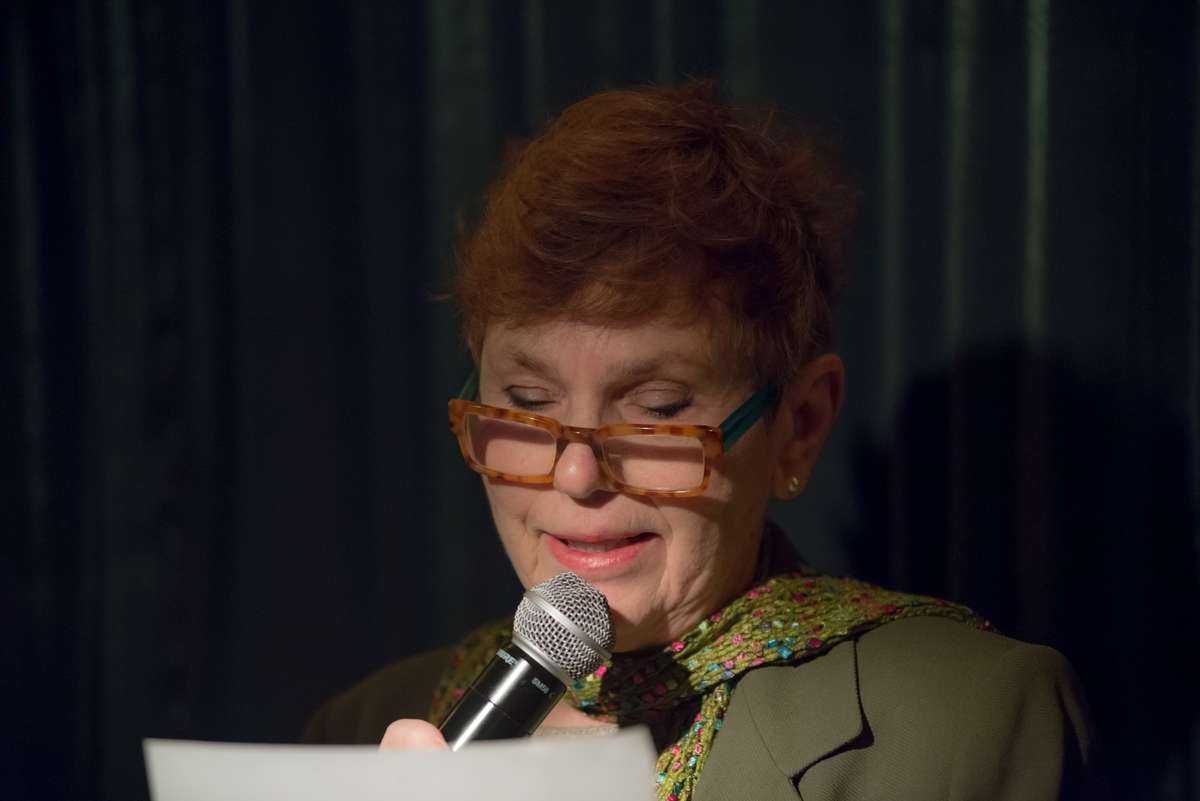
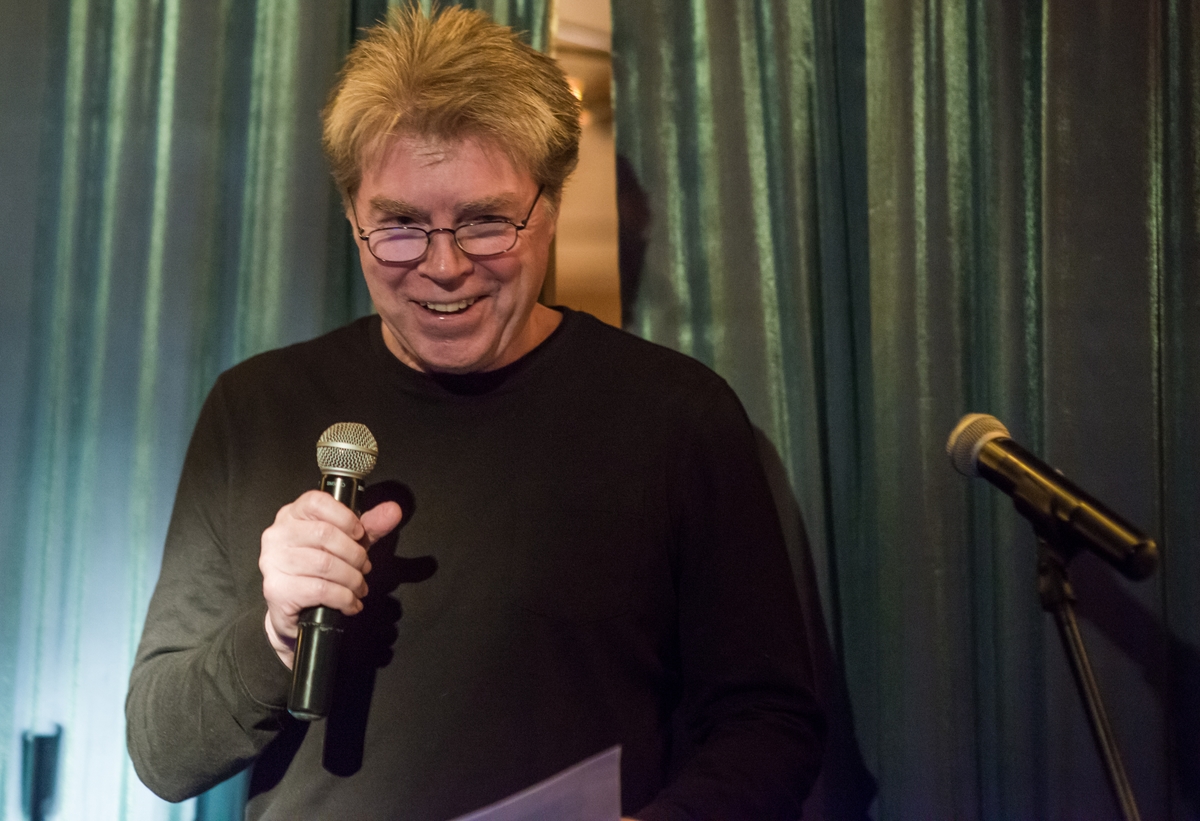
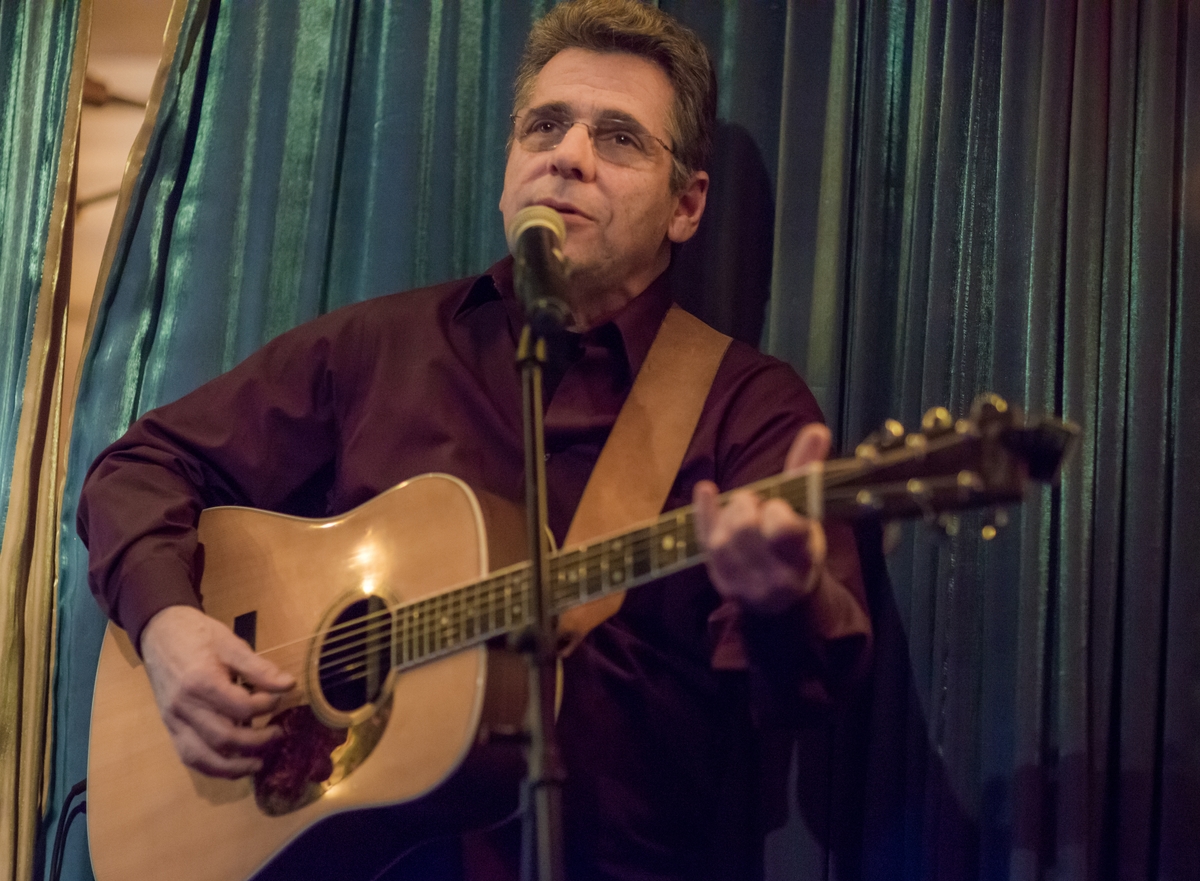
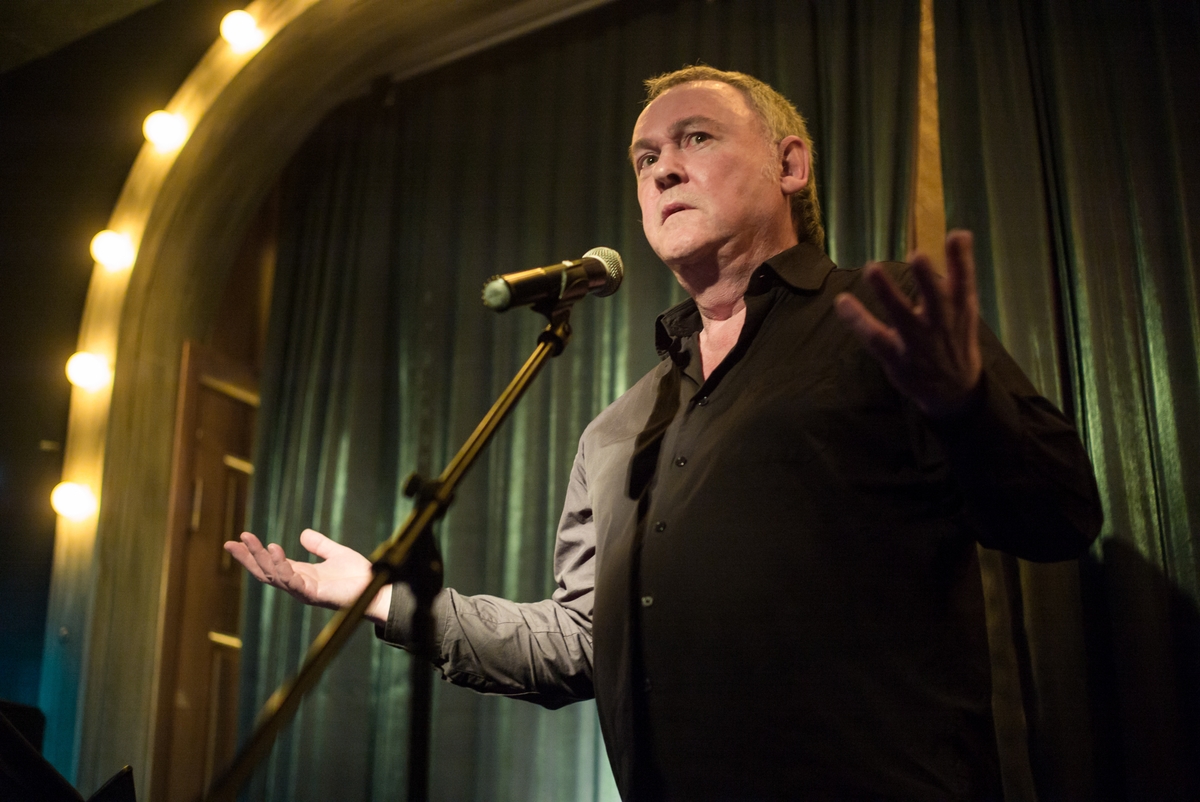
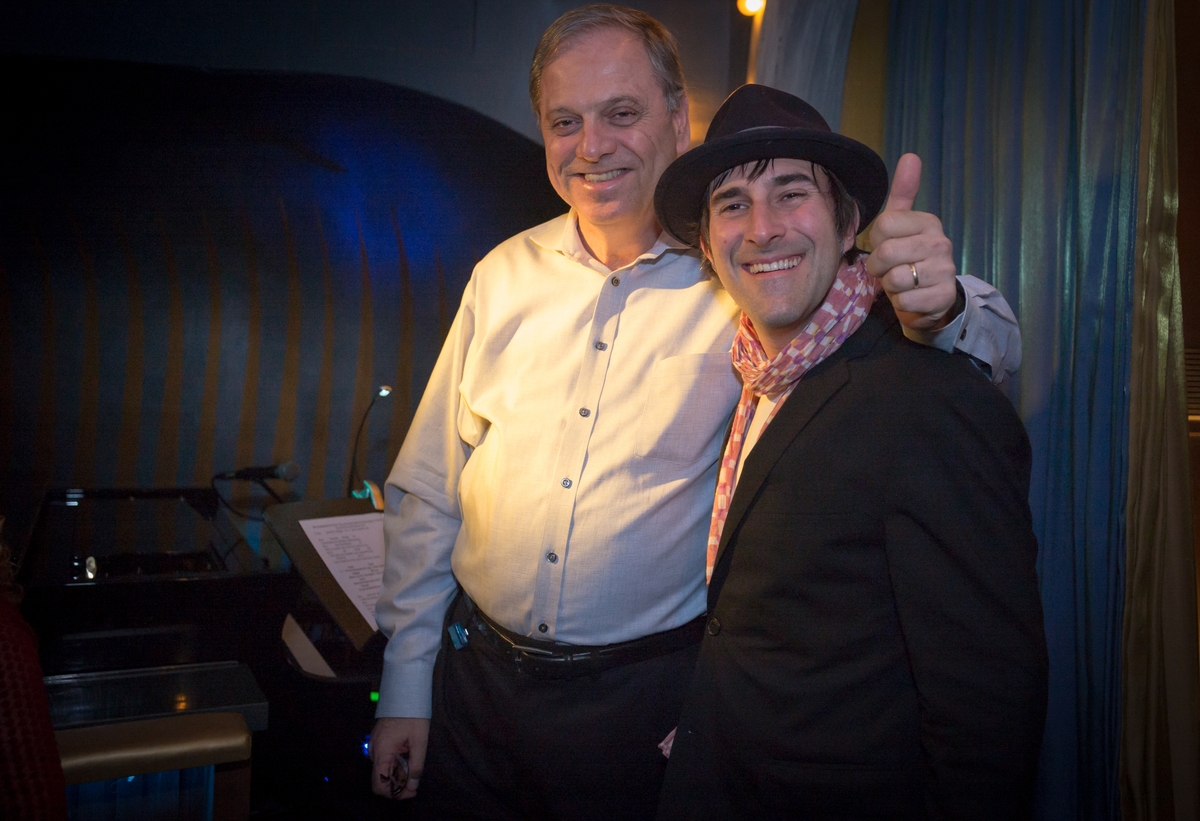
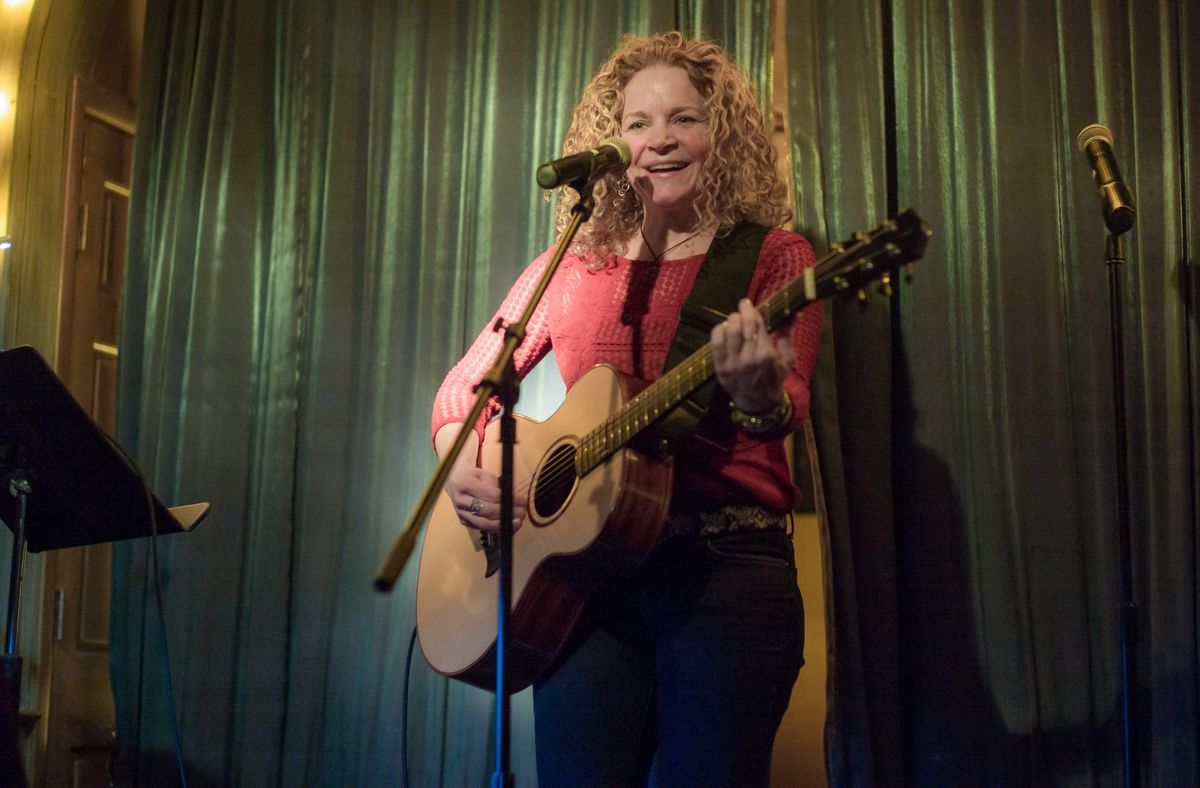
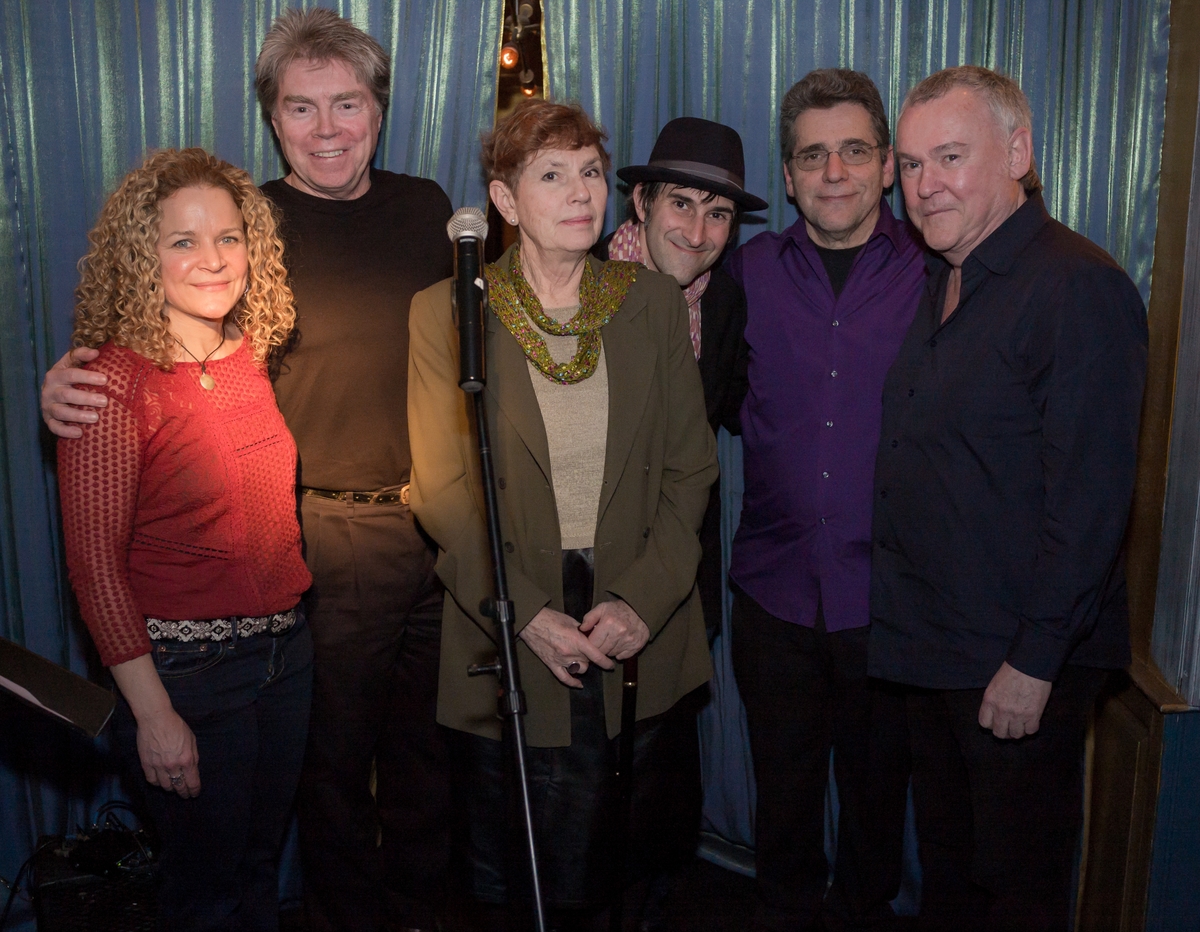
Mitch Traphagen’s photos from AWoW’s Showcase at Sid Gold’s, March 29, 2016.


Photography / Communication for Artists and Creatives
Mitch Traphagen’s photos from AWoW’s Showcase at Sid Gold’s, March 29, 2016.
Mitch Traphagen’s photos from Artists Without Walls’ Showcase at The Cell, 1/26/16.
.
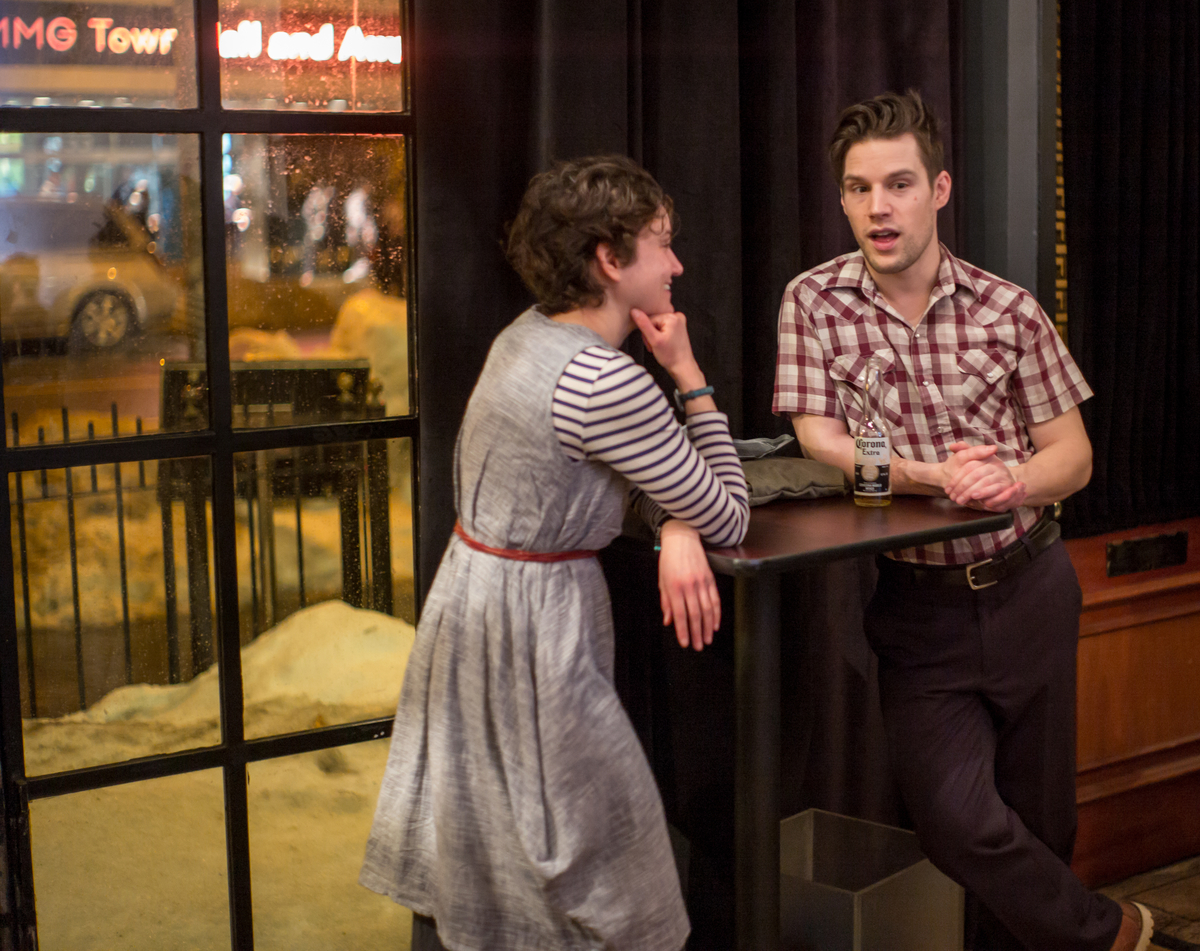
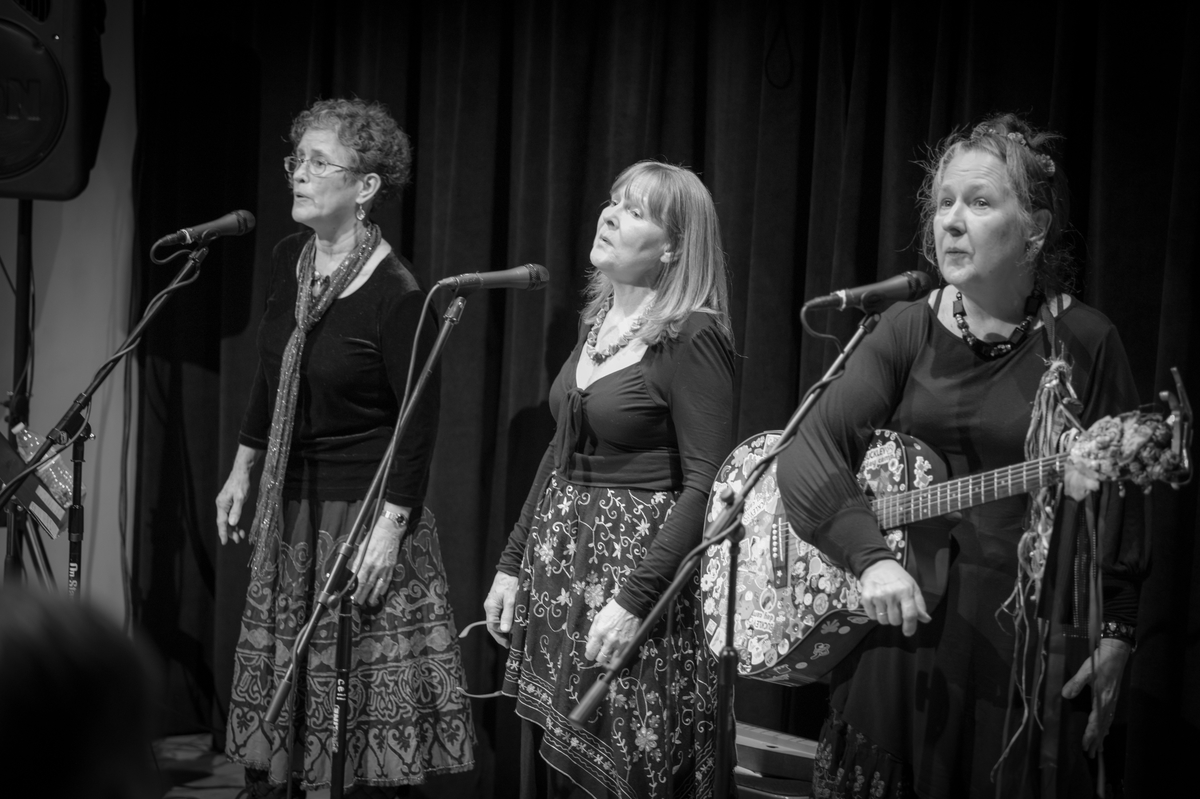
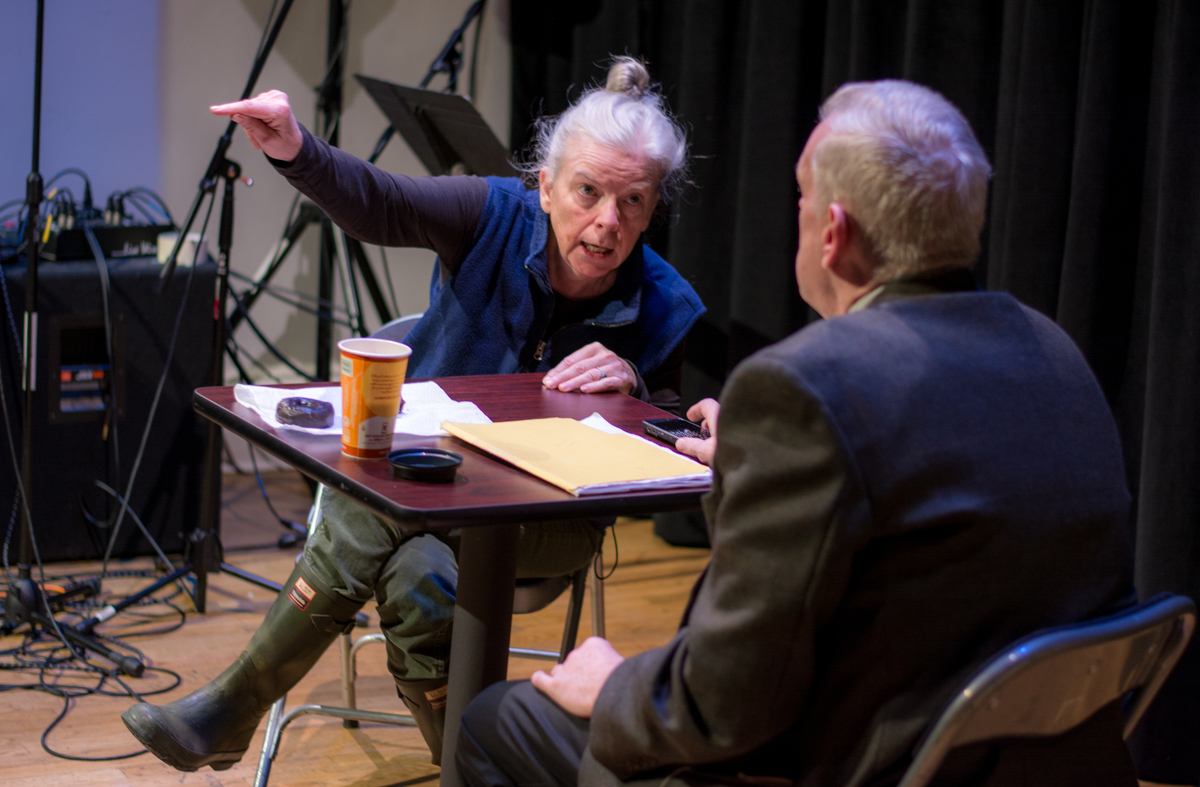


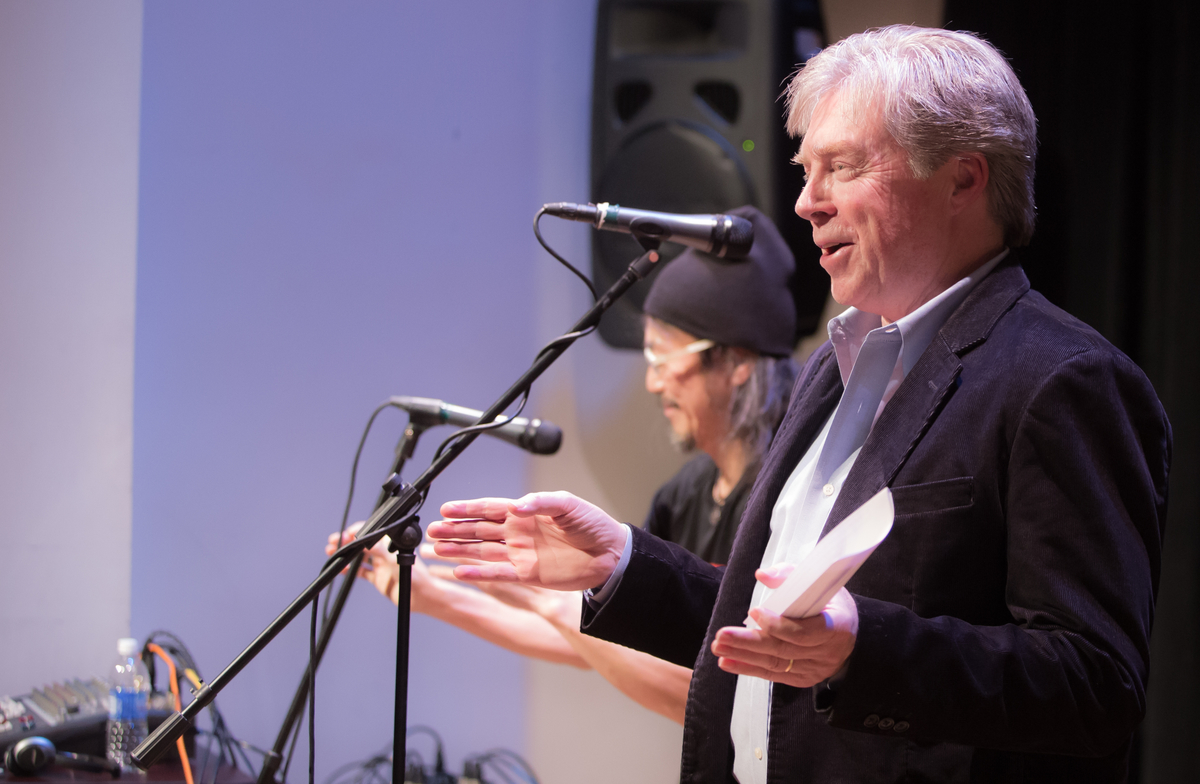
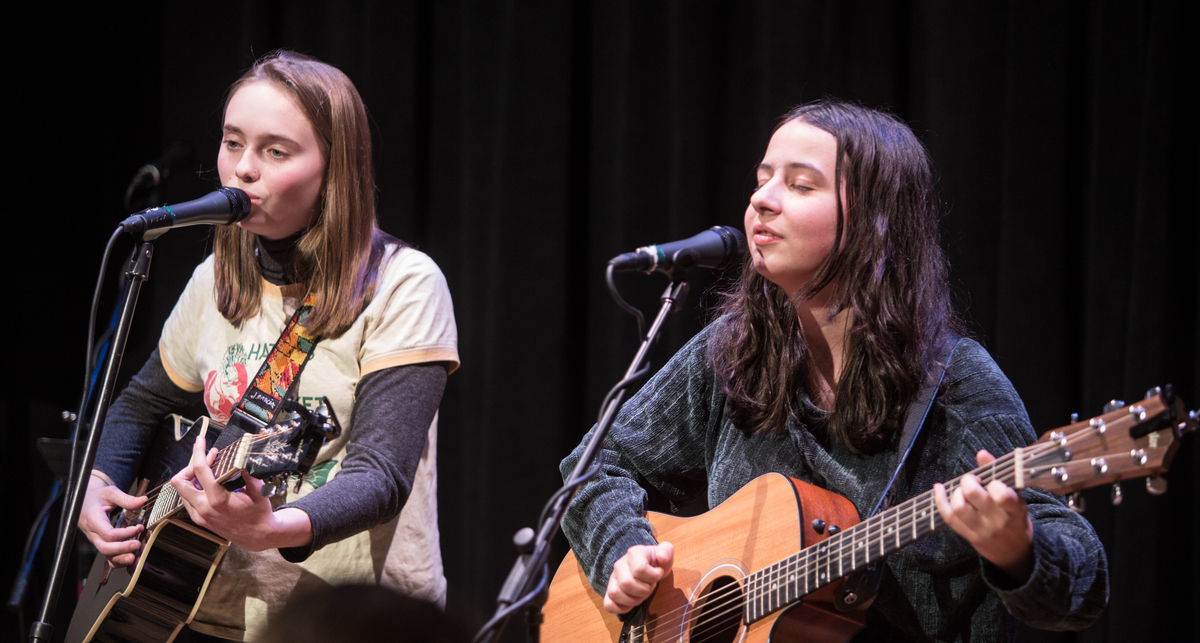
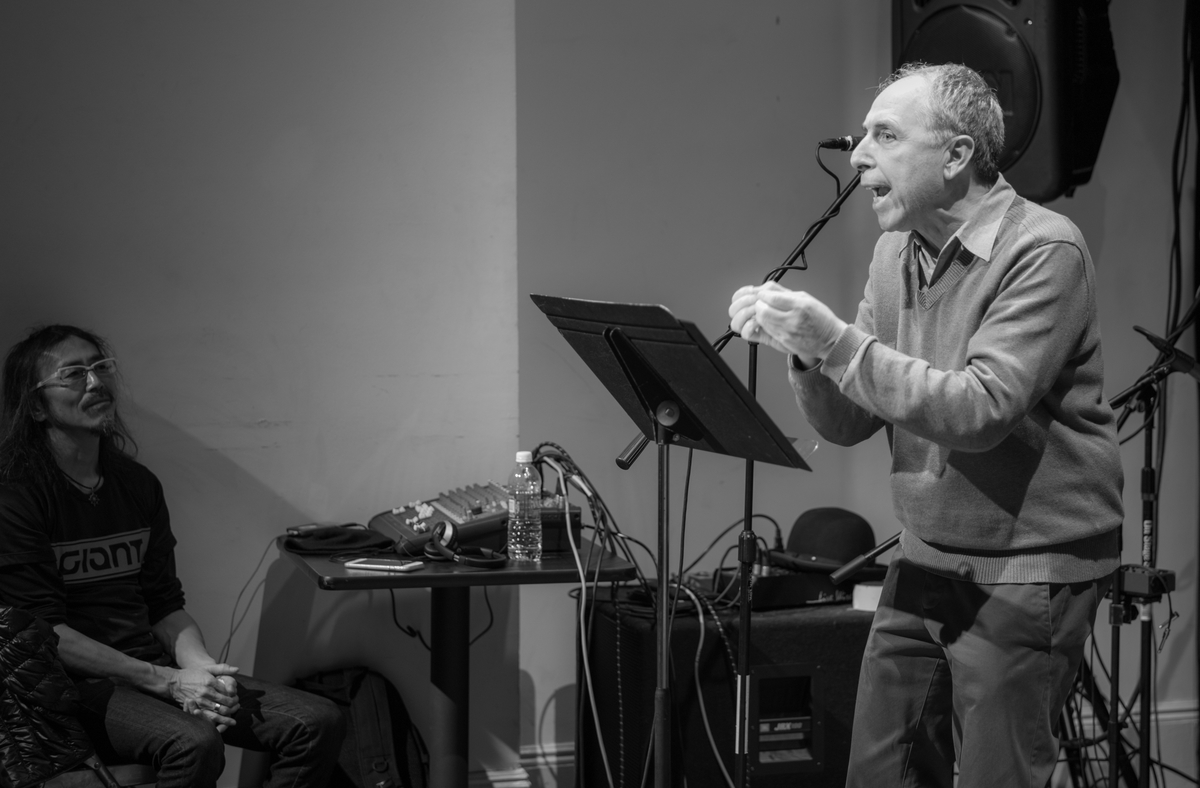
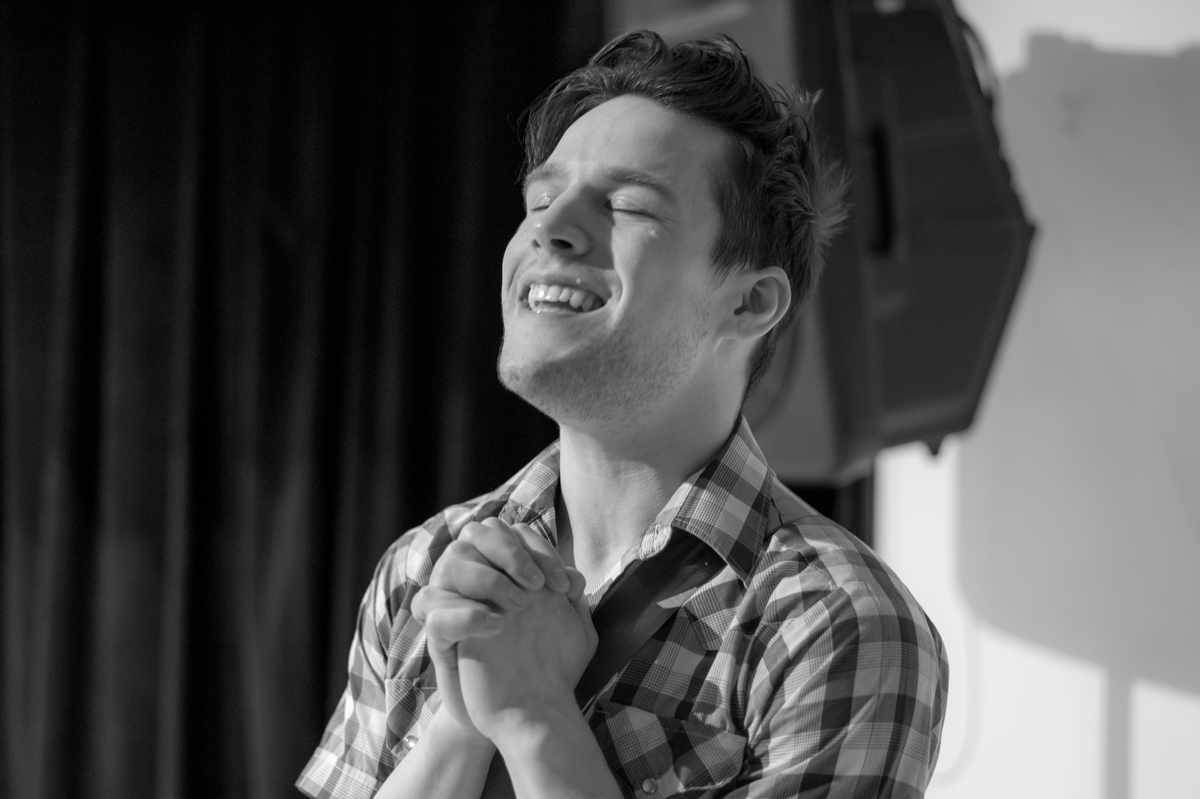
Mitch Traphagen’s photos from Artists Without Walls’ November 2015 Showcase at The Cell Theater in Manhattan. Performers and presenters included Tara OGrady, Stella Pulo, Tue Hoe, Faye Franzini, Richard Deane, Martina Fiserova and Alejandro Colon-Rabinowitz. Produced by AWOW’s artistic directors Charles Hale and Niamh Hyland. www.artistwithoutwalls.com.
.
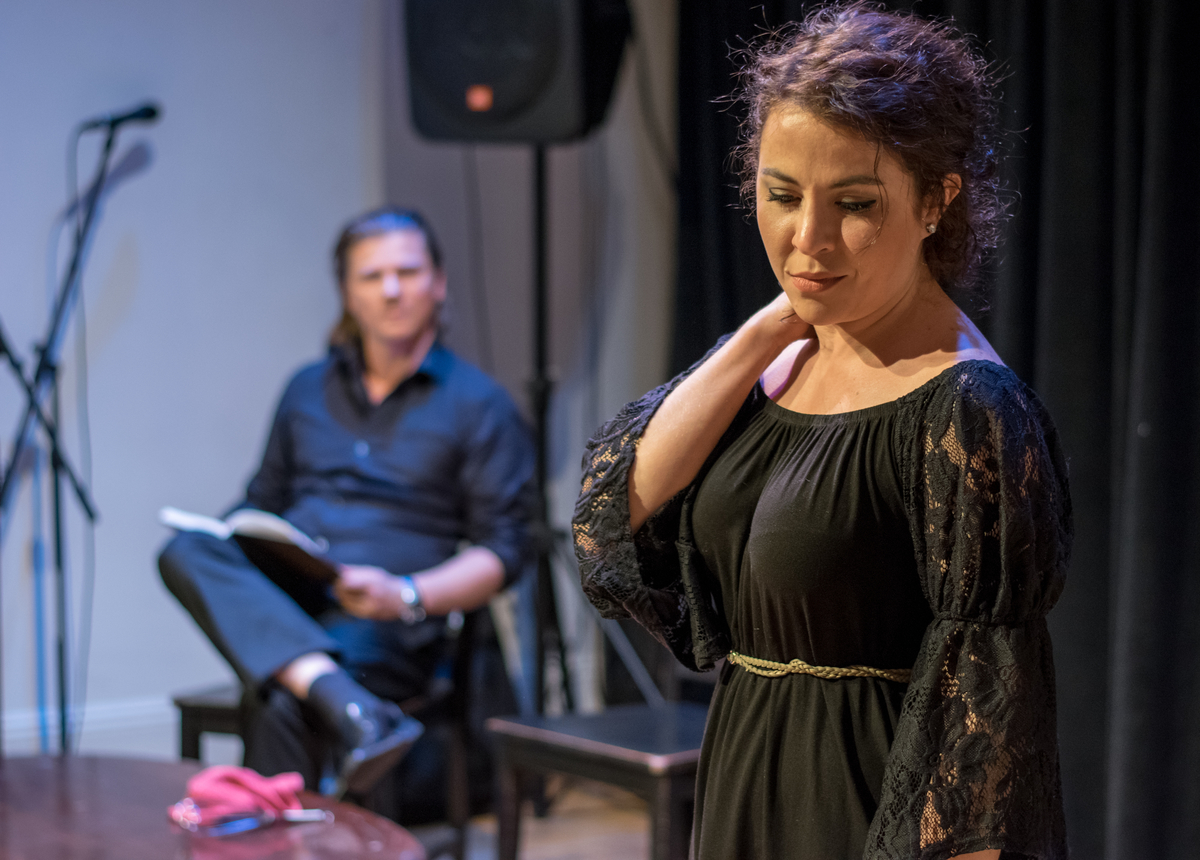
Tue Ho and Faye Fazini
.
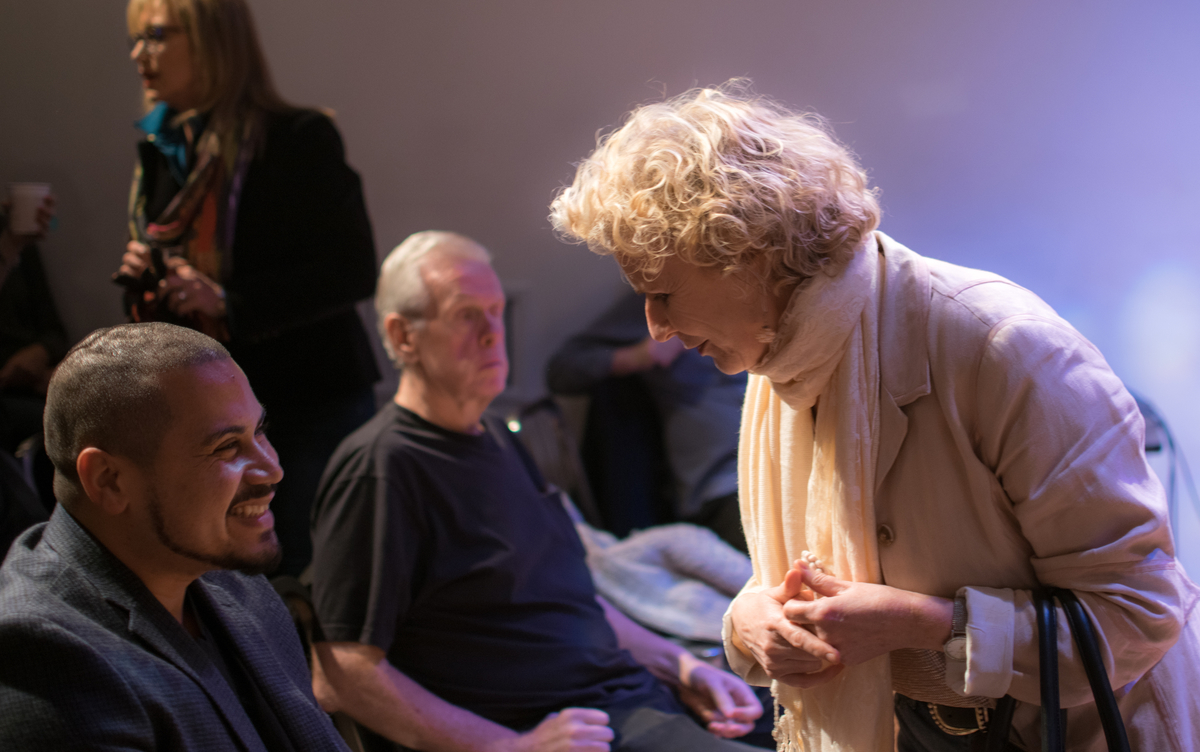
Justin Colon-Rabinowitz and Connie Roberts
.
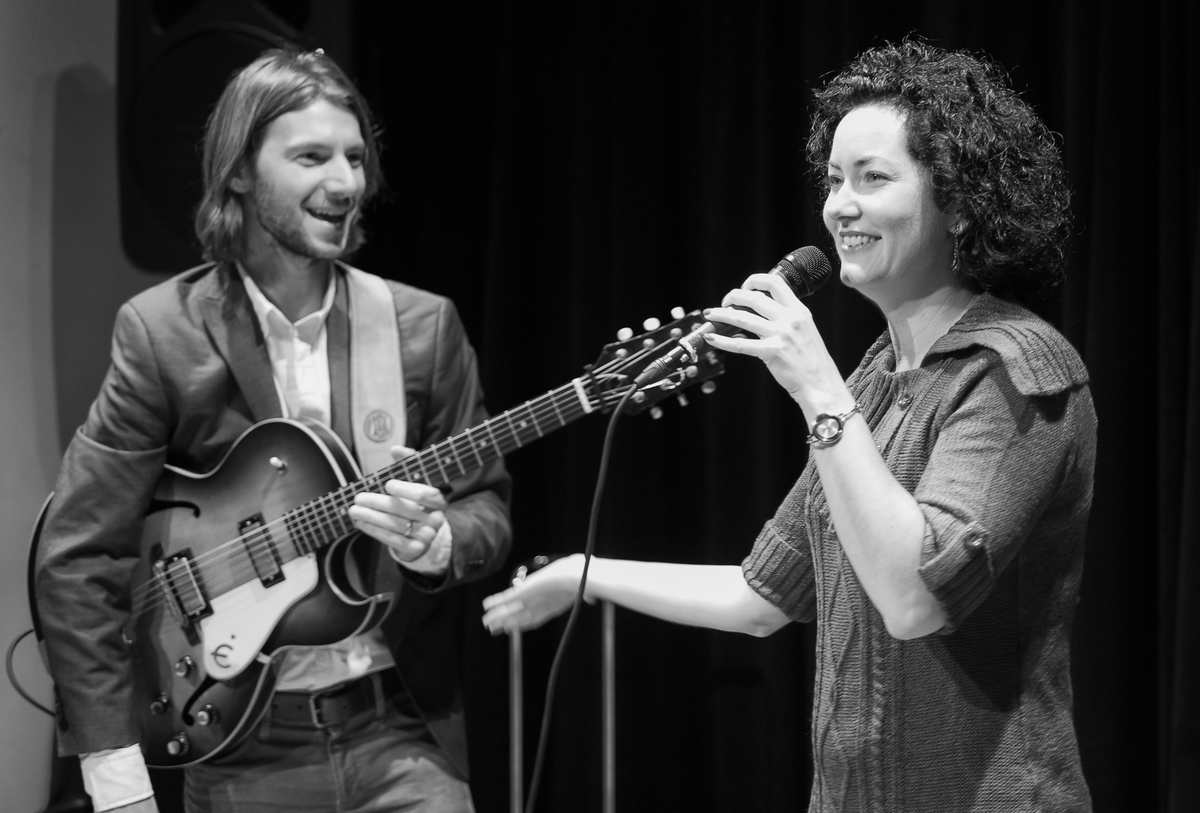
Justin Poindexter and Tara O’Grady
.
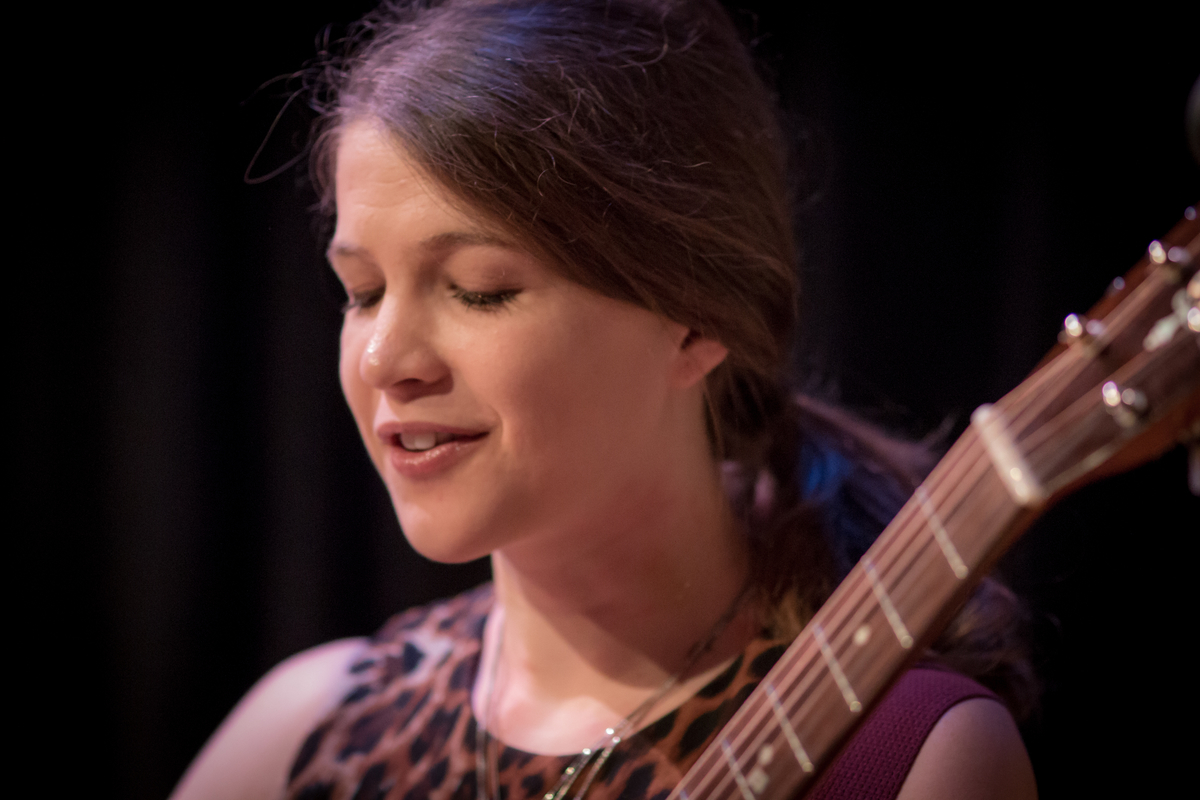
Martina Fiserova
.
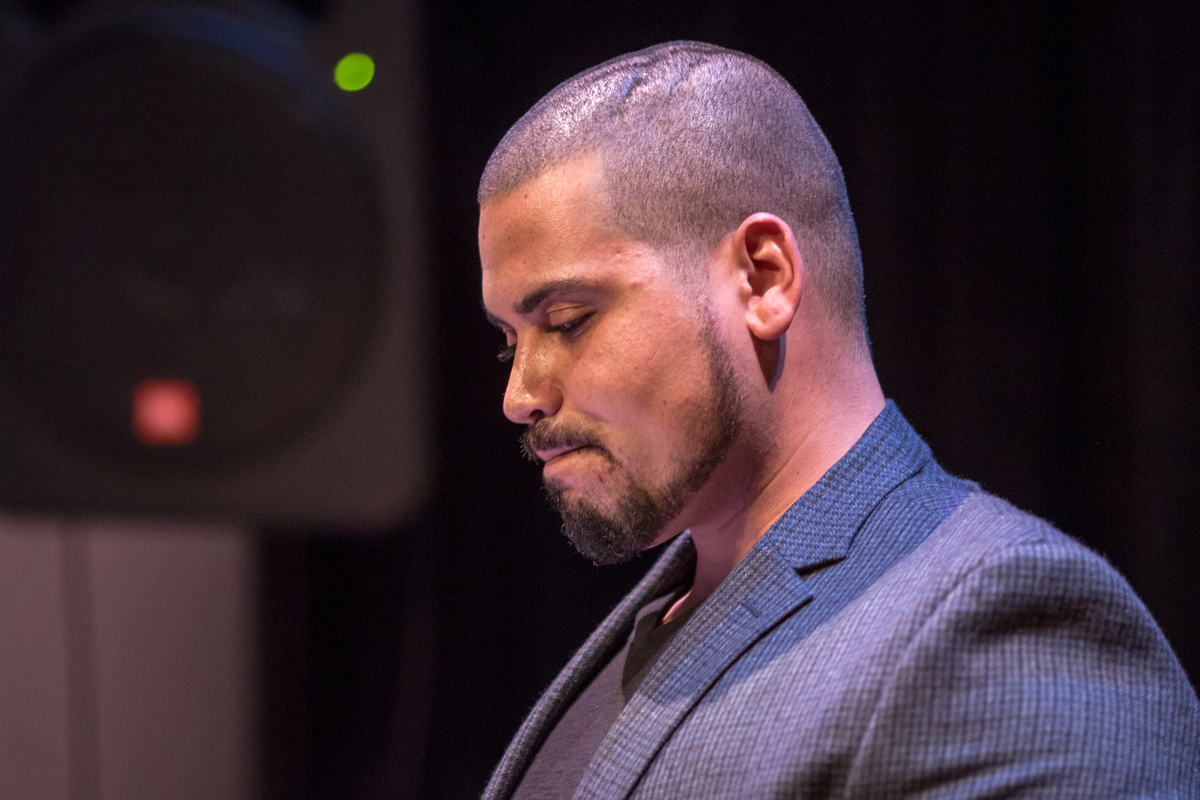
Justin Colon-Rabinowitz
.
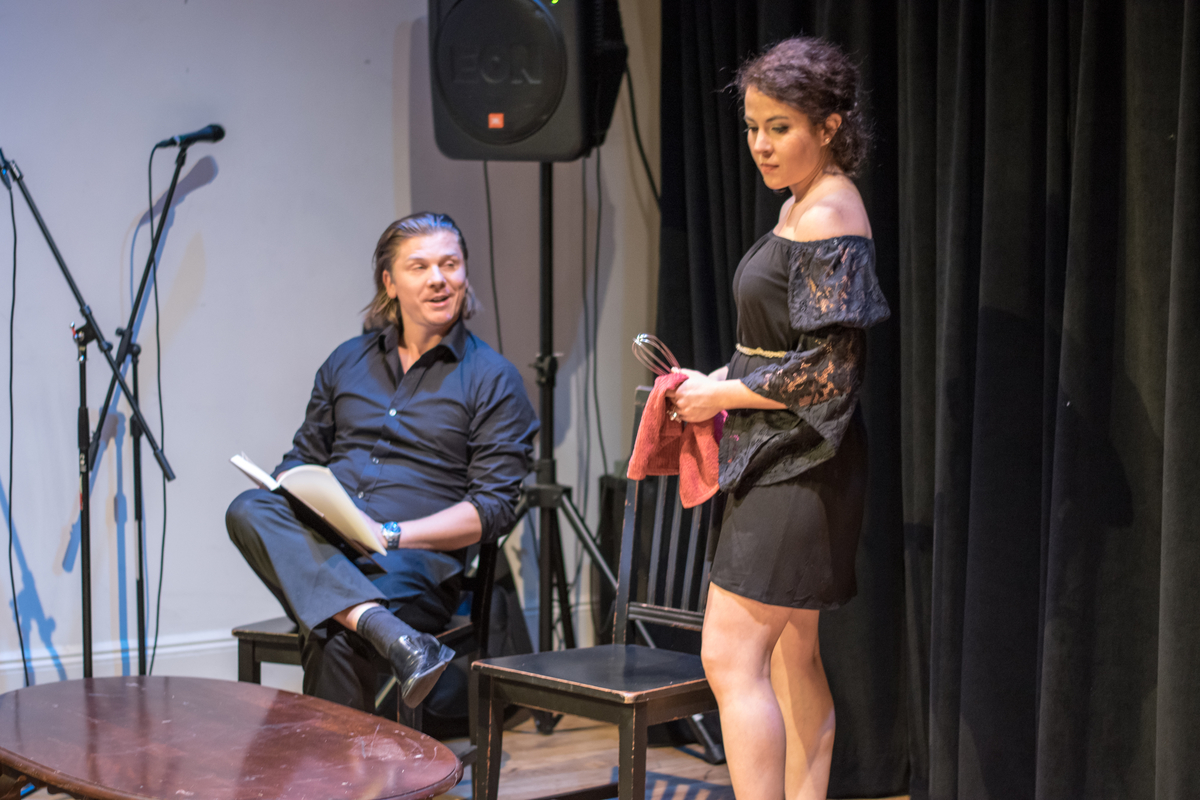
Tue Ho and Faye Franzini
.
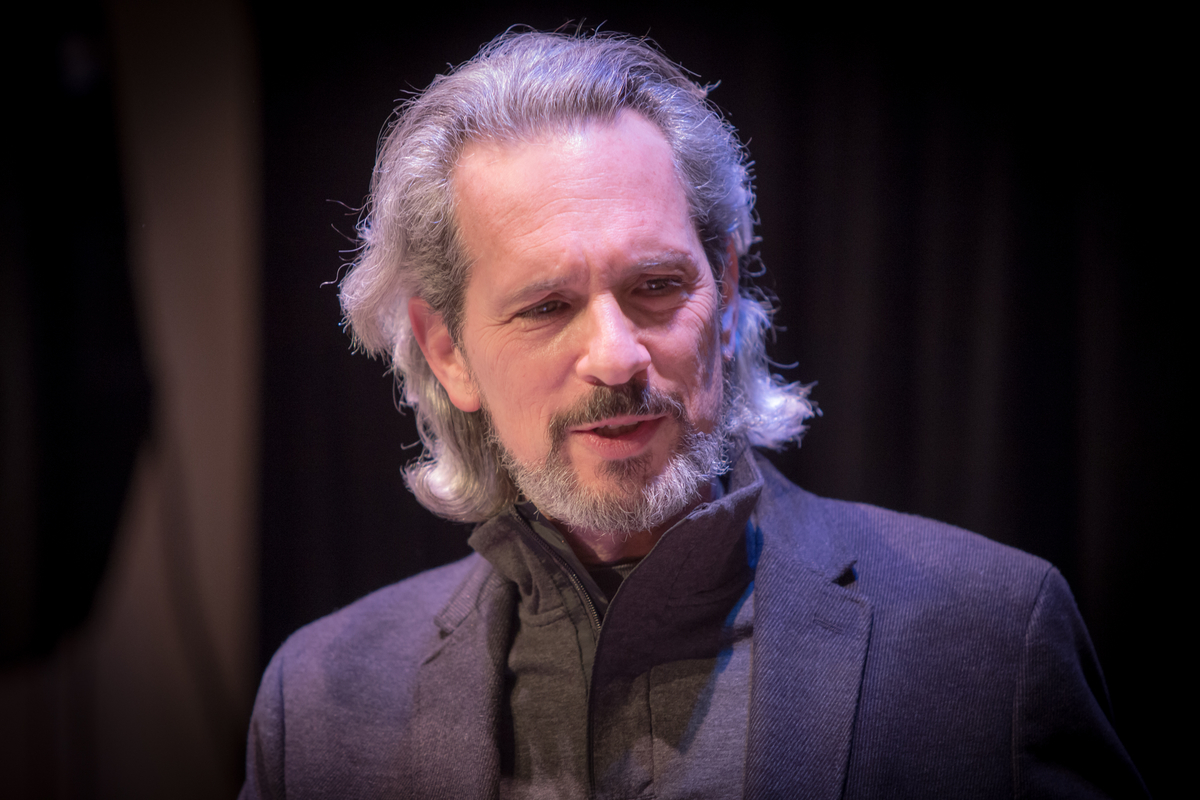
Richard Deane
.
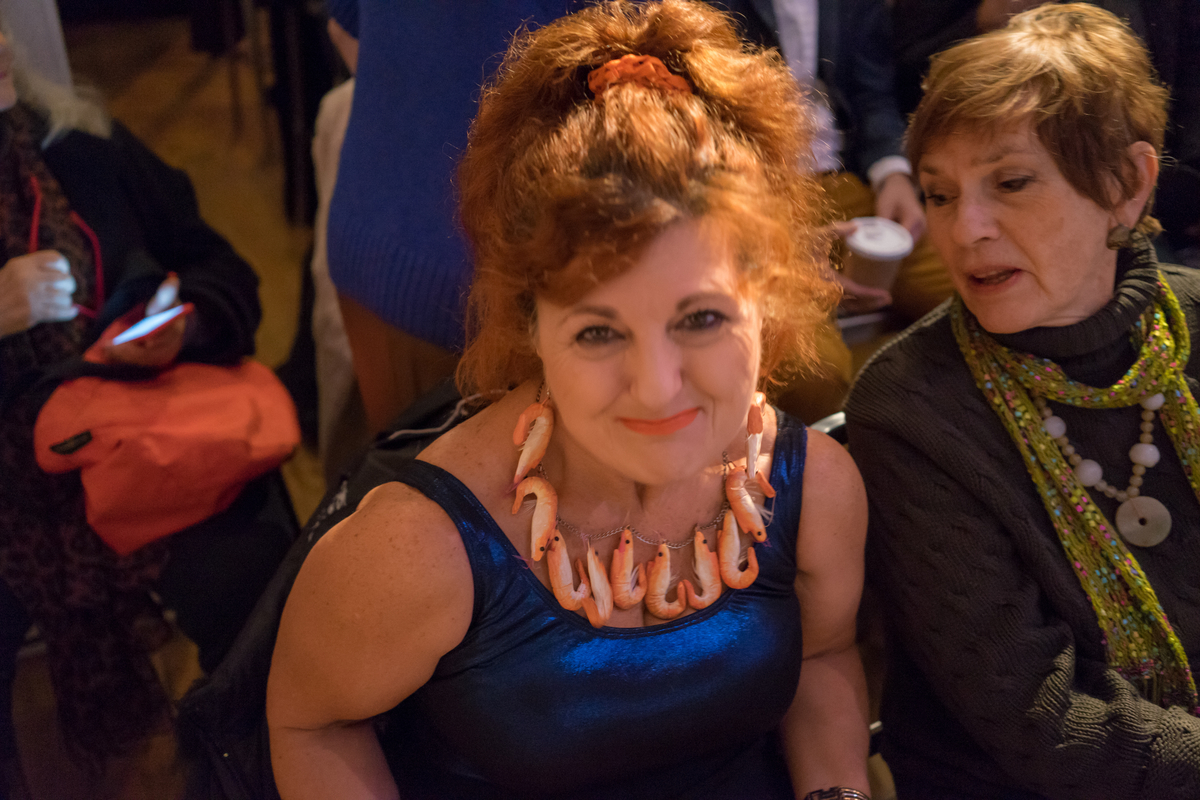
Stella Pulo and Alison Armstrong
.
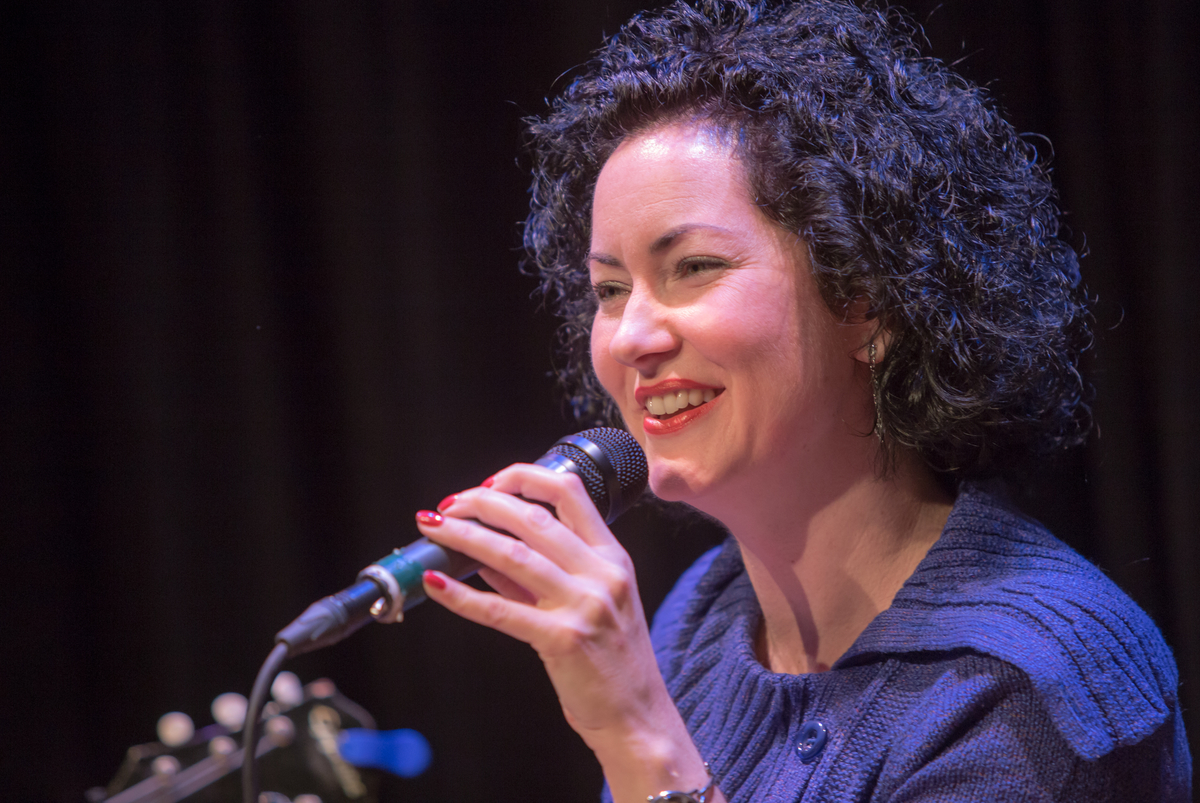
Tara O’Grady
.
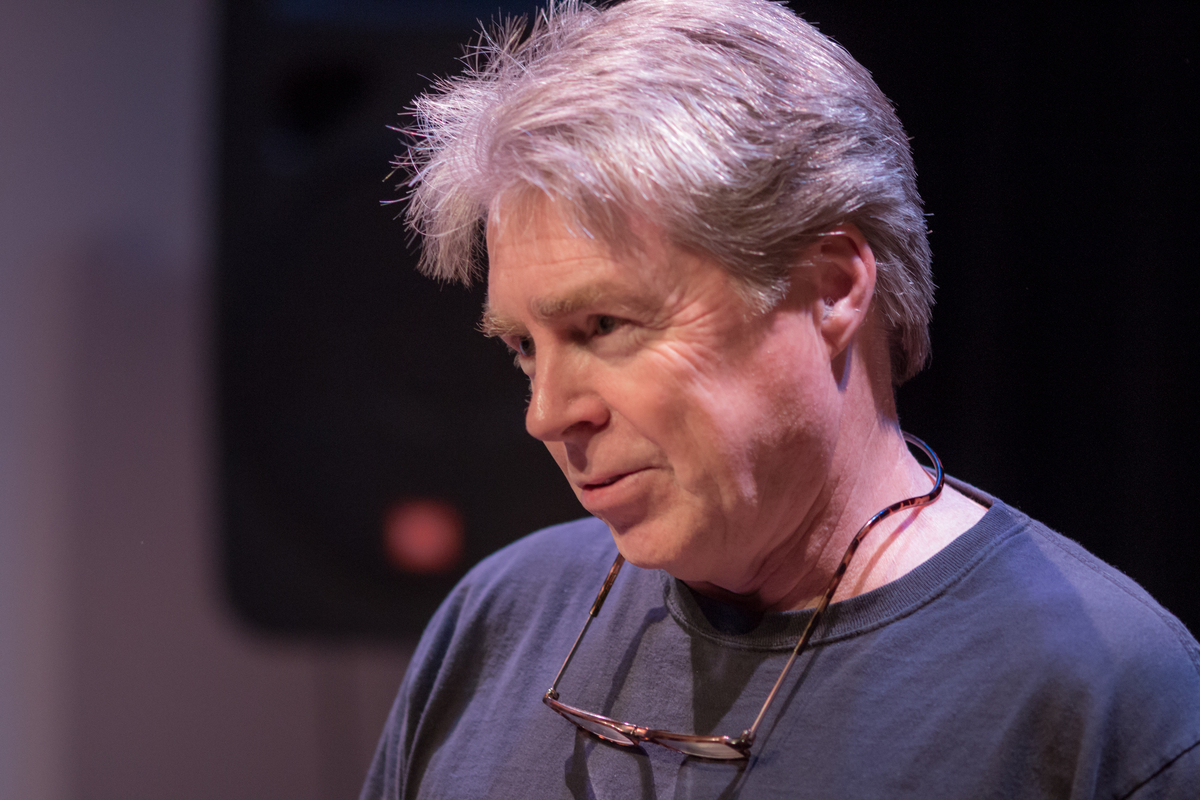
Charles R. Hale
.
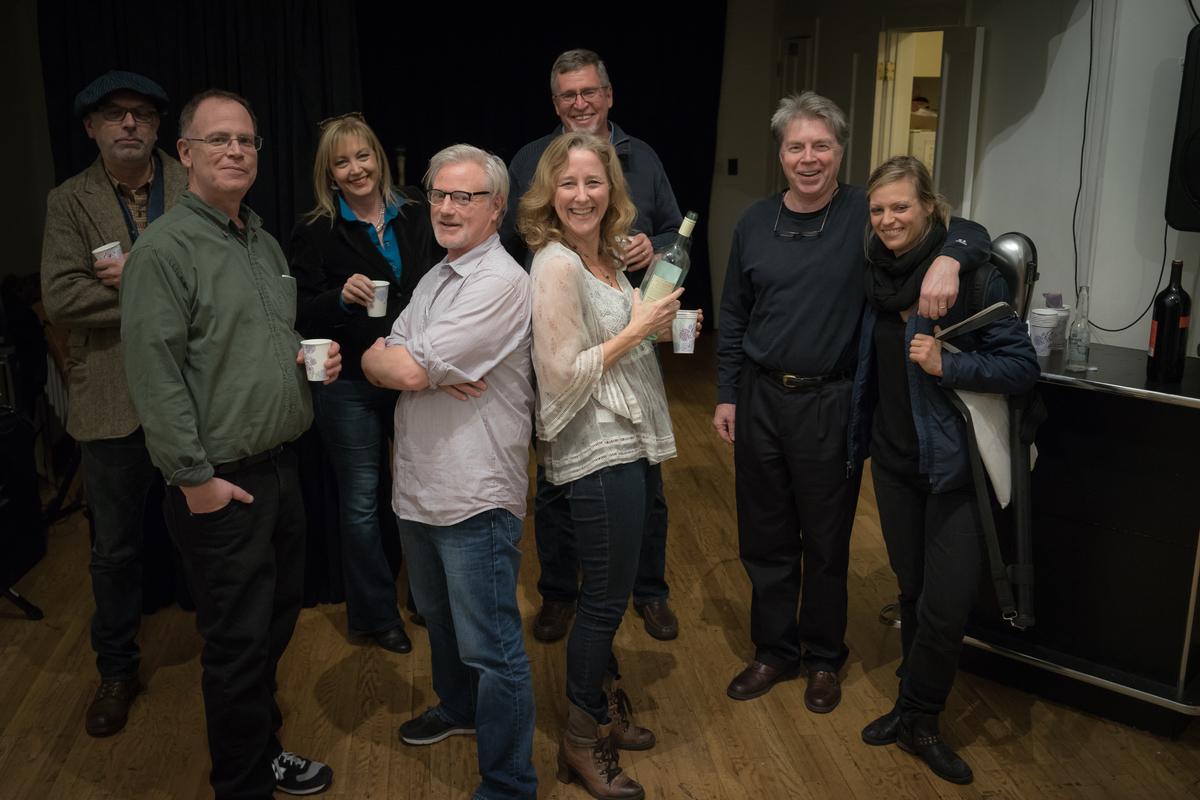
Gary Ryan, Sam Adelman, Pandora Maclean-Hoover, John Moran, Lynnell Herzer, Eric Hoover, Charles R. Hale and Annette Homann
.
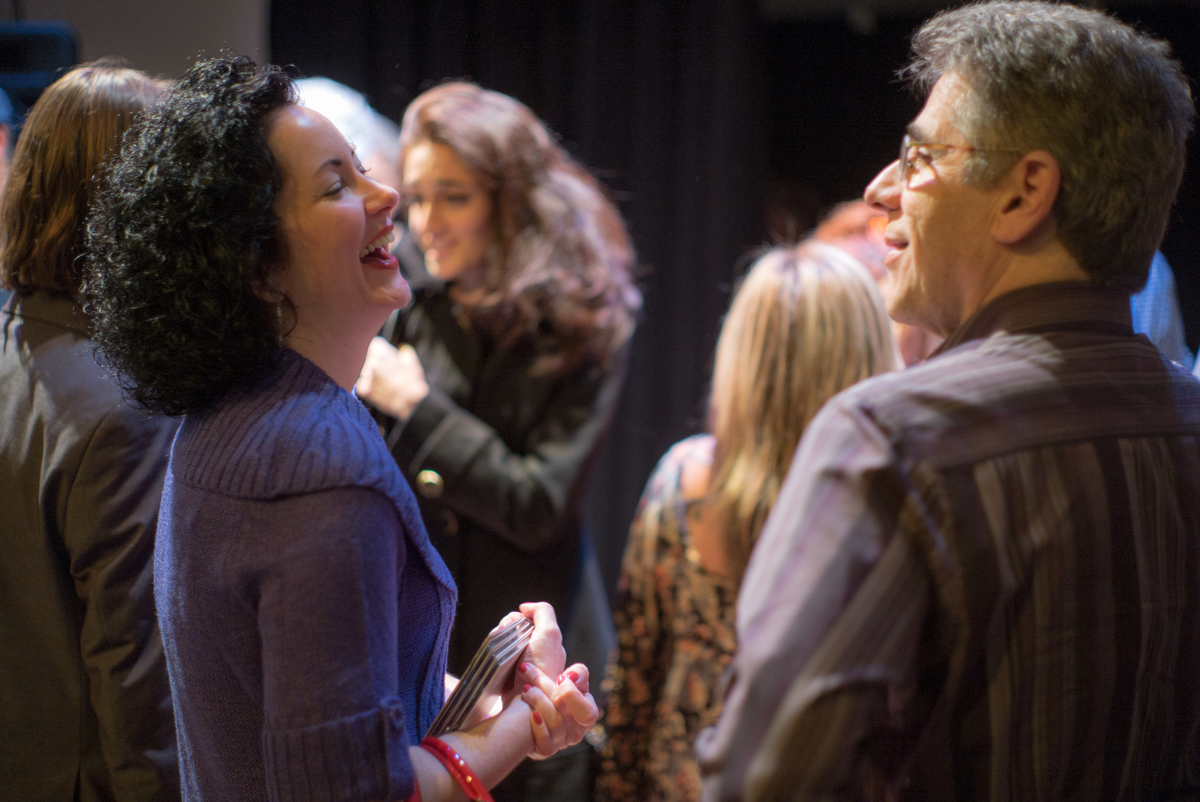
Tara O’Grady and David Goldman
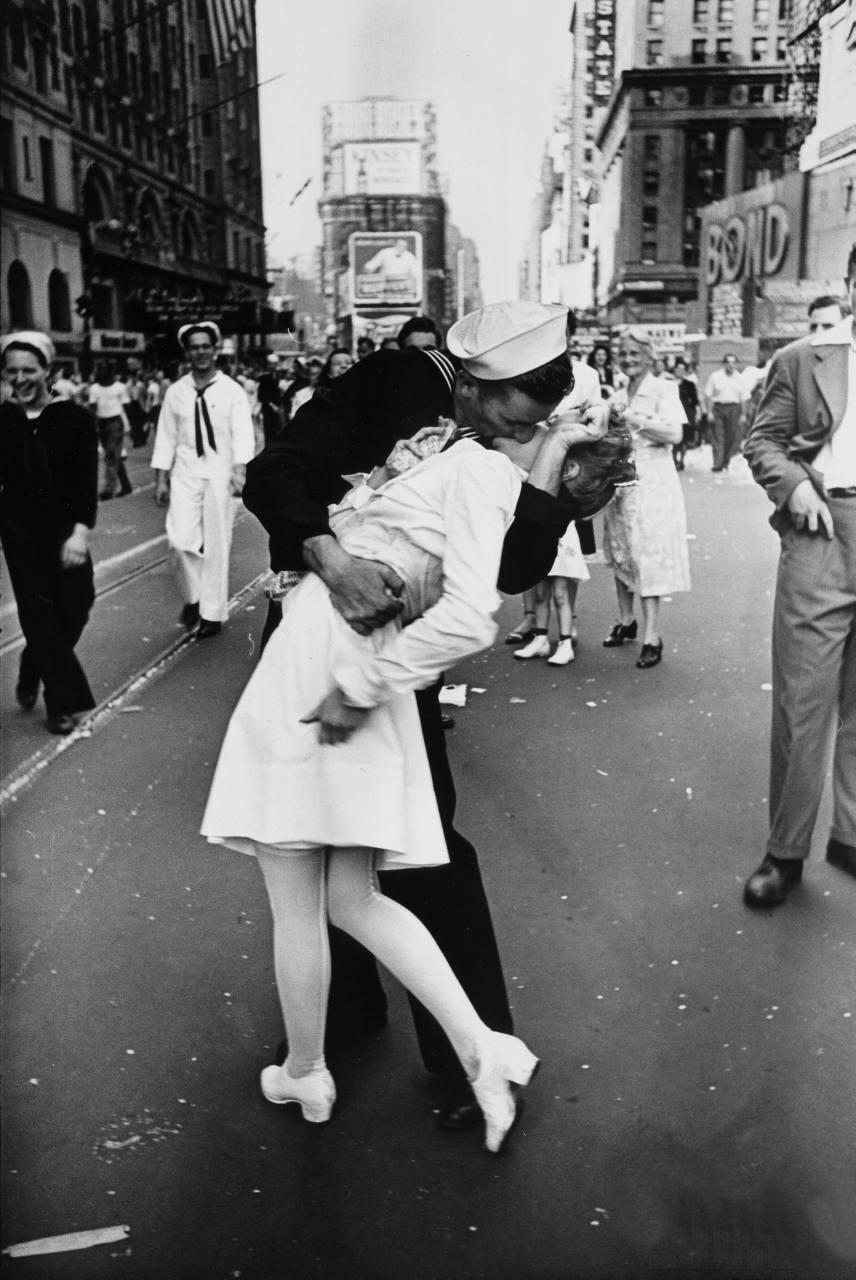
Unconditional Surrender: A Kiss Reconsidered
by Ron Vazzano
The 15th of August represented the 70th anniversary of the news that Japan had surrendered, which in effect ended World War II. Called V-J Day— though technically that is September 2nd with the signing of formal documents— it was a day of euphoria in which people took to the streets across America in a collective spontaneous celebration.
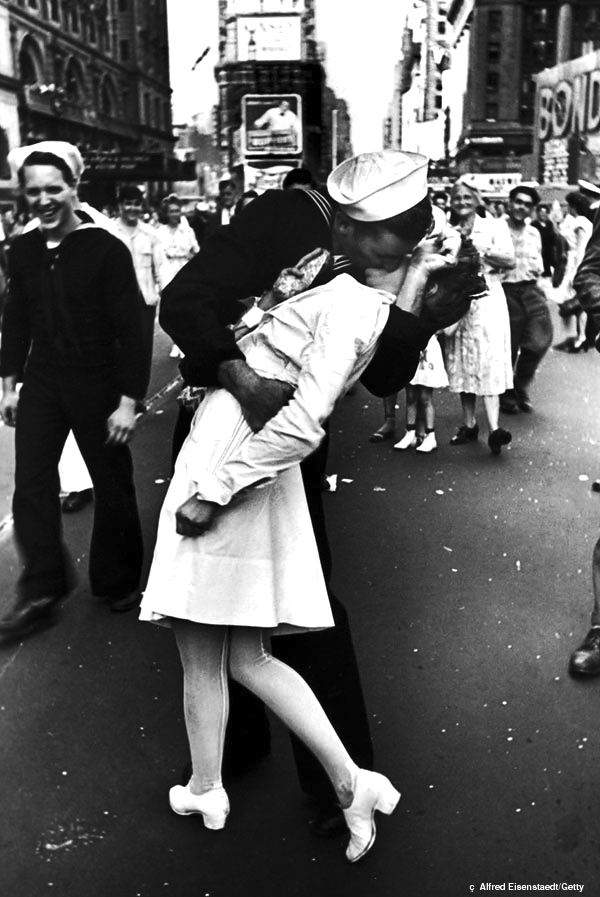
One overly exuberant (and inebriated) sailor in Times Square, took liberties in kissing seemingly every woman in his path. Famed photographer Alfred Eisenstaedt captured one of those unsolicited kisses planted on a non-consenting nurse—full on-mouth with 45 degree body dip for added flare— in what has arguably become the most iconic of photographs ever taken. And it has only been within the last three years, that the participants, both of whom are still living, have been positively identified as George Mendonça and Greta Zimmer Friedman.
And as a particularly interesting footnote, Mendonça was with his date on that day of his serial kissing; a woman named Rita, whom he would come to marry. (She is standing in the background of the photo.). And according to a news story that ran not long ago, they were approaching their 69th wedding anniversary.
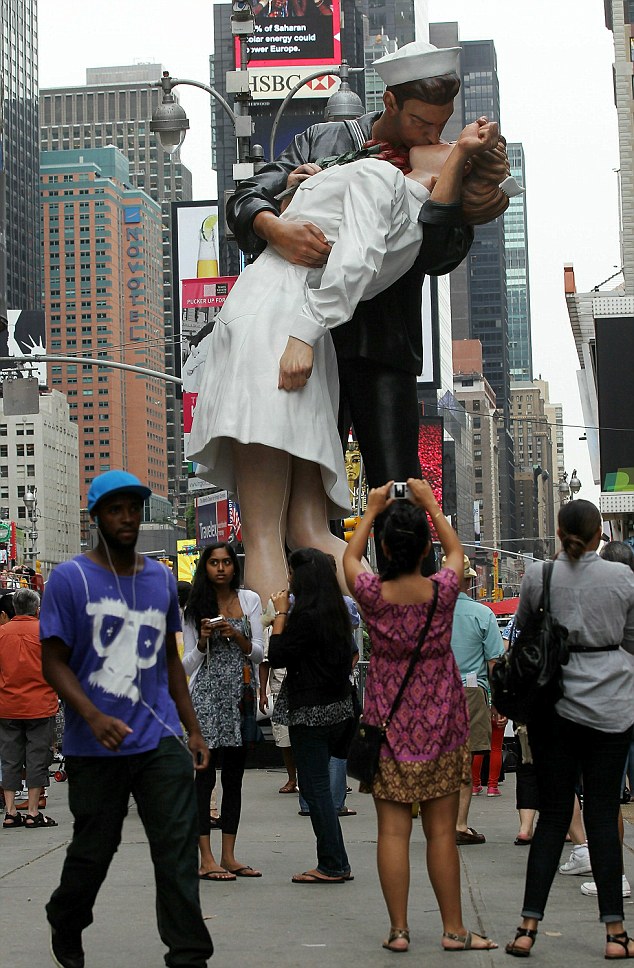
That moment in turn, has inspired a series of sculptures by artist Seward Johnson, which in an obvious play on words, he entitled Unconditional Surrender. The original was first installed in Sarasota in 2007, and it has since moved about as if on tour, to San Diego, Hamilton, New Jersey, Pearl Harbor, New York— in Times Square of course. And when it showed up last year in Normandy, France, a French feminist group petitioned to have it removed immediately, claiming that it depicts an act of sexual assault on a woman who did not give verbal consent to being kissed, and essentially being manhandled.
When I caught sight of it recently, it did now seem a bit icky. Especially given its mammoth 25-foot size, which only magnifies the transgression as evidenced once again, by the nurse’s posture and body language. It can hardly be called compliant.
But beyond what is debatable about the appropriateness of that kiss, is that it emerged from a state of mass and spontaneous—the operative word here— euphoria. When did that last happen? Where people took to the streets to celebrate as one? And under what circumstances can you imagine something like that ever happening again?
Yes, we celebrate each New Year in this very Times Square. As we do Mardi Gras in New Orleans. As we do in parades for one thing or another in the cities and towns across America every year. But all are planned and well-orchestrated. What now would make us suddenly, and joyously, take to the streets unscripted? If anything, more the likely we would “take to the Tweets.” But even in that contemporary forum of spontaneous expression, there would no doubt be dispute, with not everyone being on the same virtual page. Which brings one to consider war itself: what winning of what war today would be cause for celebration? How do we even define war any more, much less what constitutes the winning of one?
Ultimately what grabbed me looking at that statue, is how much more complex our life and times have become; how less black and white than that summer’s day in ‘45.
With that, we made our way over to Chez Josephine’s, a retro Paris bistro— circa: pre-war 1930’s— on 42nd Street and 9th Avenue, for a cool drink to beat the summer heat.
Long Ago and Far Away: Written by Jerome Kern and Ira Gershwin, recorded by Jo Stafford
Recently, my friend Richie Raskin posted a photo–third below–of his mother and father “nightclubbing” in New York City during WWII. I’ve spent a lot of time over the years enjoying the photos I have of my mother, father and my family that were taken during the war and shortly thereafter. The photos, the music and the stories evoke in me warm feelings of many whom have passéd on. Here are some “1940s’ photos of friends’ parents and grandparents, including some thoughts. (To see a full sized version of the photo, click on the photo. When it opens click again.)
—–
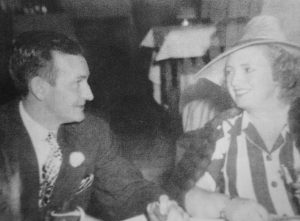 “This photo of my maternal grandparents, Peter and Helen Gallagher, was taken in NYC, but I’m not sure where. I think some of Gallagher Brothers’ tugs and barges were used in the local war effort. My mother told me they were lean years and my grandfather would travel to DC to sign contracts. I think he was an officer in the National Guard. He never went anywhere. I think he just rode a horse in parades. My mother remembered when the fleet returned to NYC harbor there was a huge celebration and she got to ride a Gallagher tug with my grandfather and meet the fleet as the ships came in. She remembers the fire tugs spraying water in the air. She was thirteen.” Jim Rodgers
—–
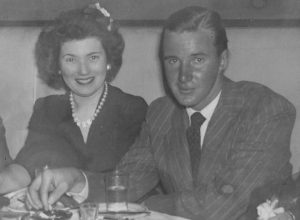 “These are my parents Beatrice (Psaki) and Thomas MacDonald on a date in a photo taken at New “51” Club in 1943. My mom was attending Misericordia Nursing School in the Bronx at the time. My father was an operating engineer so he’d come and go depending where his work would take him. He was in the SeaBees in the Navy during WWII. My mother grew up in Forest Hills, NY and my father was from Brockton, MA. They met at the 1939 World’s Fair. My mom lived within walking distance to the fairgrounds and my father was working there. Mom was 17 and dad was 21. That was the start of their romance that spanned from 1939 through nursing school, my father working in Scotland and Cuba, and in the US Navy during World War II. They married in 1945.”
Maureen MacDonald
—–
 “My father, US Marine Staff Sargent Warren L. Keer, returned from WWII to NYC in 1946. He found work as a union painter and was contracted to paint my mother’s Yorktown apartment. They married 32 days later in the Little Church Around the Corner on October 26, 1946. Though I was never able to confirm this with my mother, I believe this photo is their wedding “reception”, celebrated by just the two of them that evening in an Upper East Side bar.” Karen Keer
—–
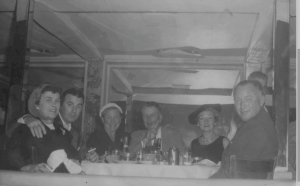 “I just went to my mom’s and we dug up this picture of her father, Harold (2nd from left) and her mother, Madeleine, (2nd from right). The picture has no date, but my mom was born in ’37 and she believes that this was taken in the 40’s. My grandmother, Madeleine Lowrie – Mimi to me, Maddie to her friends – was an interesting woman. I’m sure her husband chose her because she was fun, social, and quite intriguing. She was born in England in 1907, moved to Canada around 1913 and then to NYC where she started school at Parson’s School of Design. She was 17. She met my grandfather Harold Kelley there, where he was working as a stock broker on Wall Street. I always knew her as an artist. I remember watching her sketch and thinking, “I’d like to try that.” So, I did, much to her delight. Everything she touched was made elegant and special. She was probably my most influential mentor.” Betsy Cross
—–
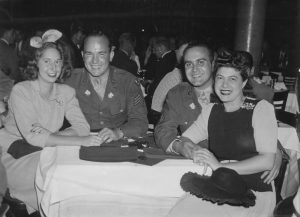
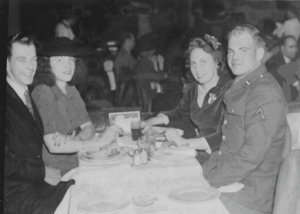 “My mom, Evelyn Gunn, is the second from the left. The gentleman to her left, Bill, is not my Dad; she wasn’t married then. She would always tell us stories about going into Manhattan to meet the soldiers. The other woman, Marge, with a man named Joe, was a very good friend of my mom. I love seeing the pictures from the ‘40’s. It gives me a good insight as to who she was as a young woman. My mom was very glamourous and took care as to how she looked. Even when she was dying she put her “face on” as she called it, putting on make-up until she no longer could.” Denise Gunn
—–
 “This photo was taken in NYC at Tony Pastor’s. The couple on the left were Gloria and Bernie Bronheim before they were married. She was Gloria Kamenkowitz at the time. Bernie passed away when he was quite young. That’s my father Jack Goldstein and my mother Renee Brenner on the right, on their first date. My mother remembers there was a piano with live music. And she remembers that they could smoke in the clubs. Even cigars and pipes. I remember my dad said they would drive to the club and before he passed he told me that this was “the club. Eventually my parents eloped in Reno, Nevada. They then combined business and pleasure and left for a meeting in California, traveling across the country by train in a “sleeper” car.” Diana Laatu
—–
 “My mother, Dorothy Gorman, (far left) and my father, Charles R. Hale, loved nightclubs. Any place with a piano. I have no doubt that Mom knew the words to every song written in the thirties, forties and fifties. I think this picture was taken in 1946–Mom would have been seventeen–after my father returned from the South Pacific where he was a pharmacist’s mate aboard the aircraft carrier, USS Antietam. The couple on the right are my mother’s sister Florence Gorman and my father’s cousin Jim Steproe. Within two years each couple married.” Charles R. Hale Jr.
Since our server was down a good part of yesterday we thought it appropriate to repost yesterday’s photo blog of Wednesday’s Showcase at The Cell. Here’s the link:
Cat Dwyer’s Photos: AWoW’s Showcase at The Cell, 7/31/13
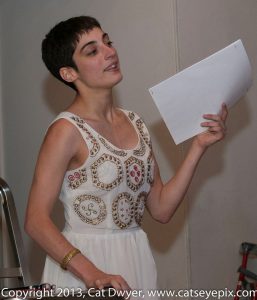
Cat Dwyer’s photos of the AWoW Showcase at The Cell Theater, March 26,2013.
Annette Homann
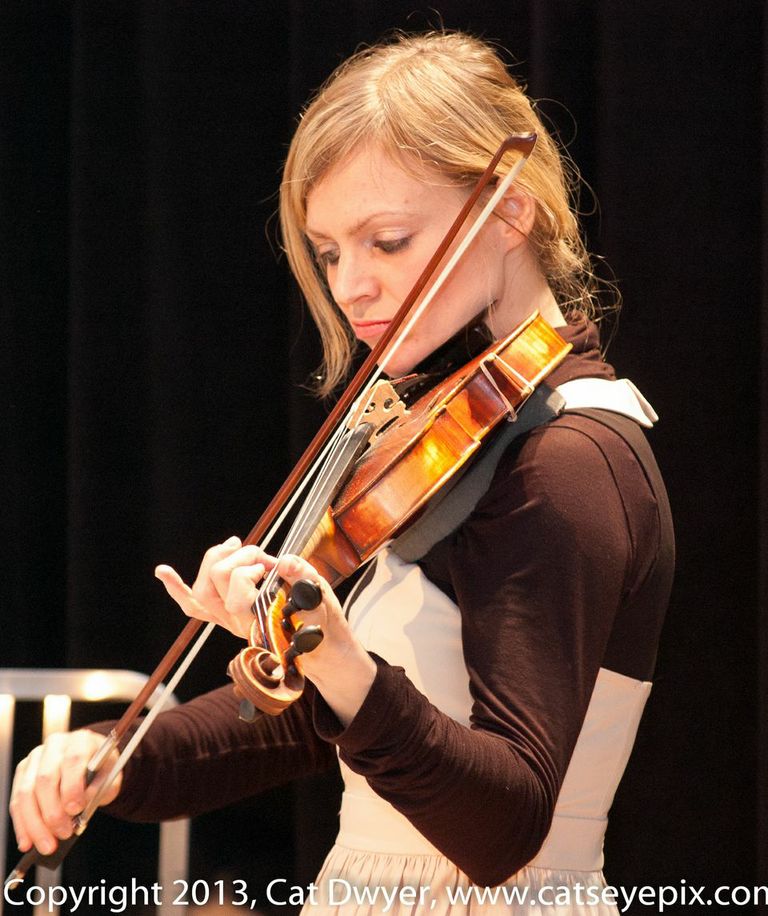
Michele Cetera
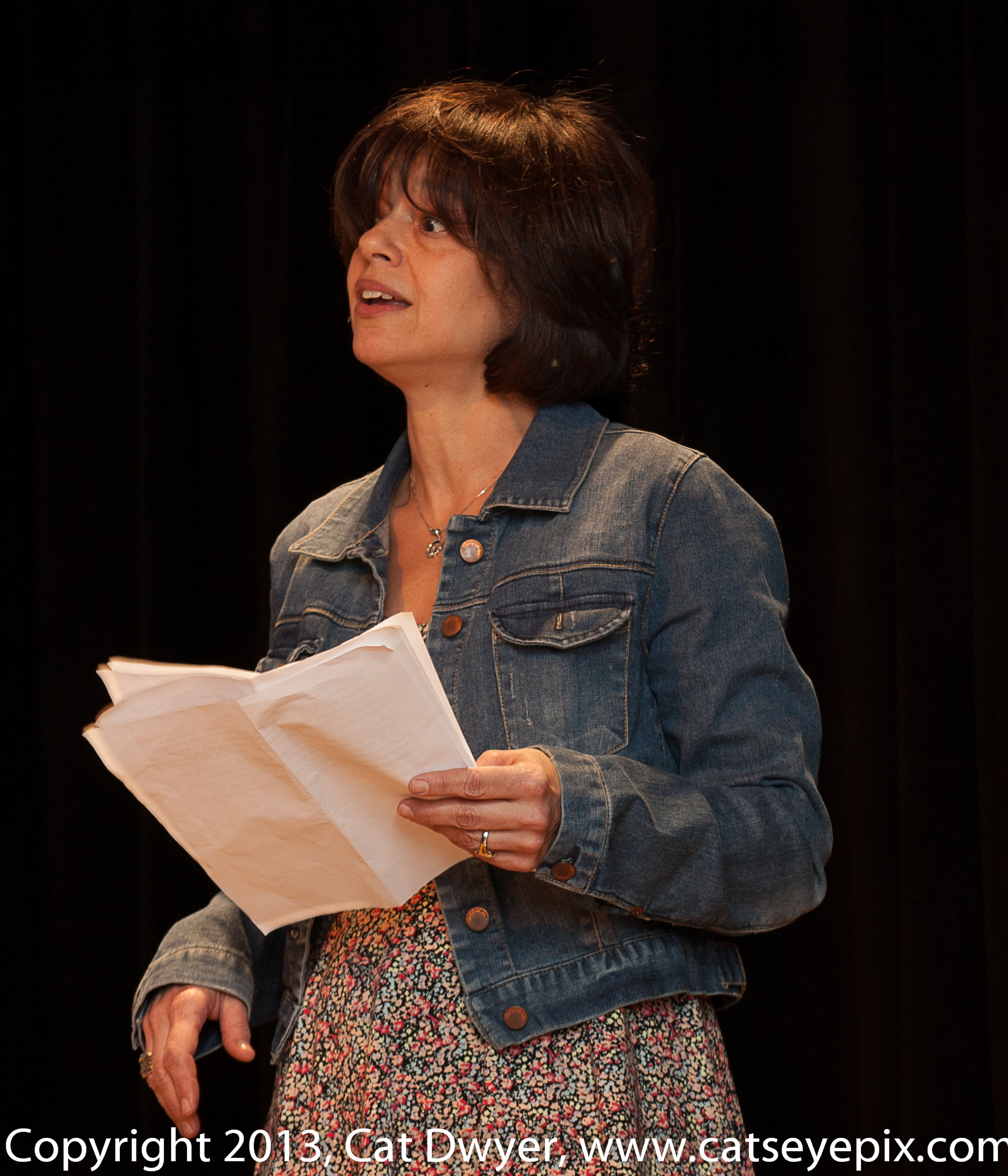
Yoko Inagi
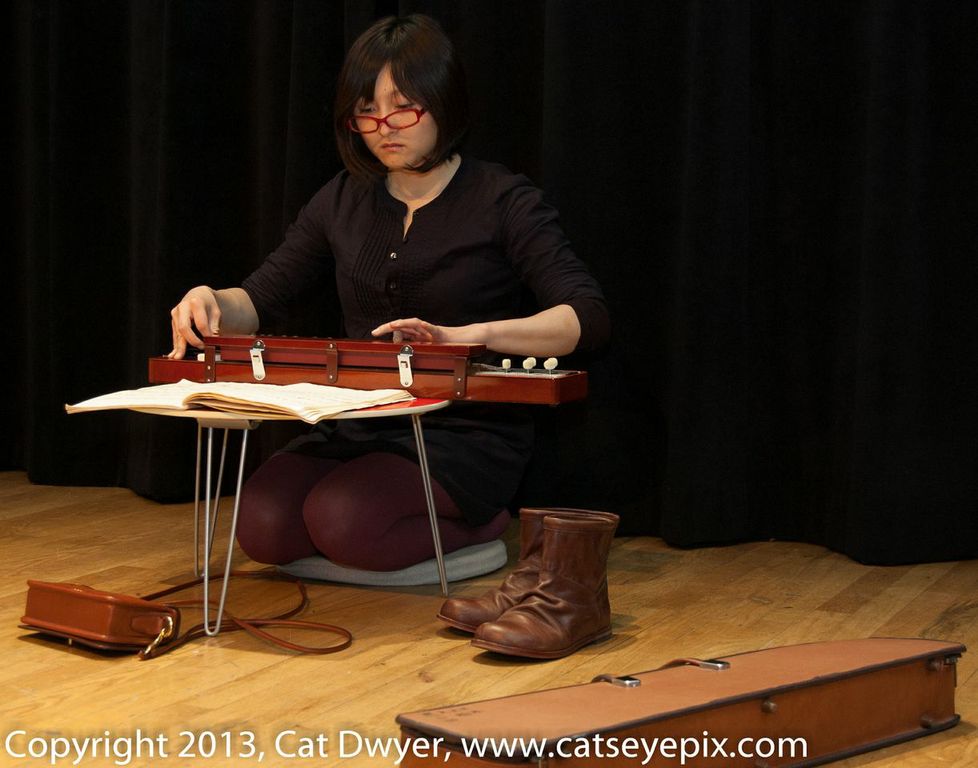
Honor Finnegan
Junior Castillo and Bianca Love
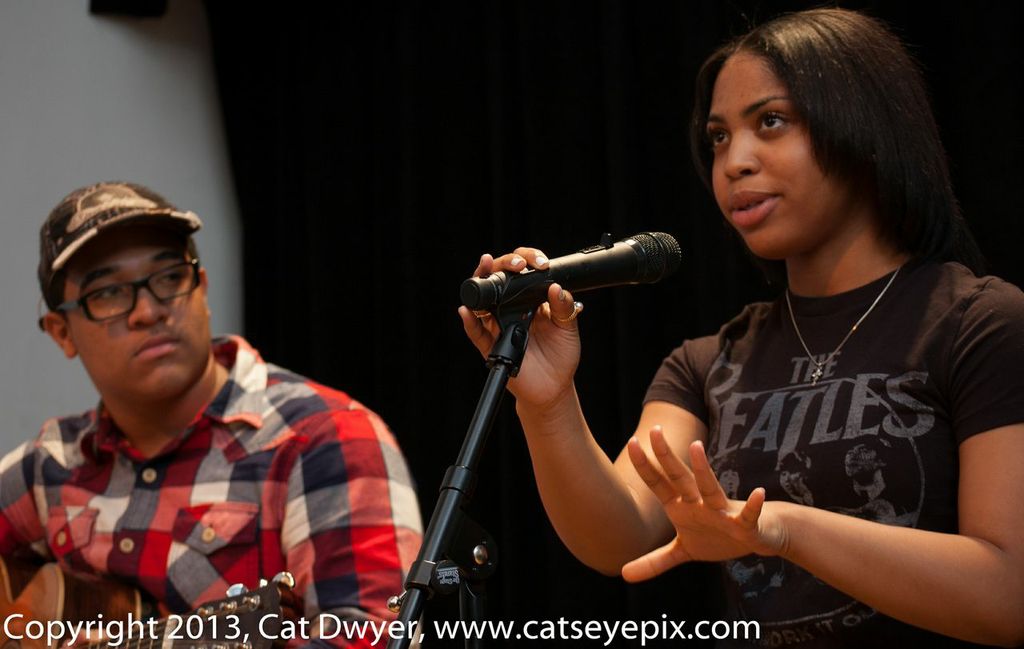
Moley and Owen O Suilleabhain
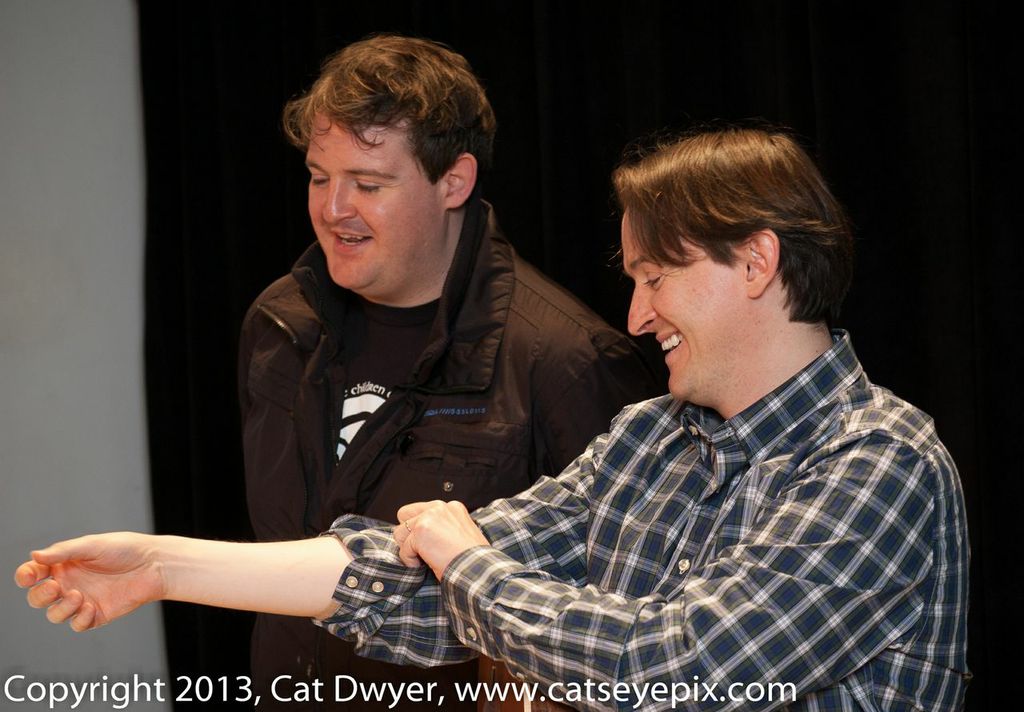
Noel Lawlor
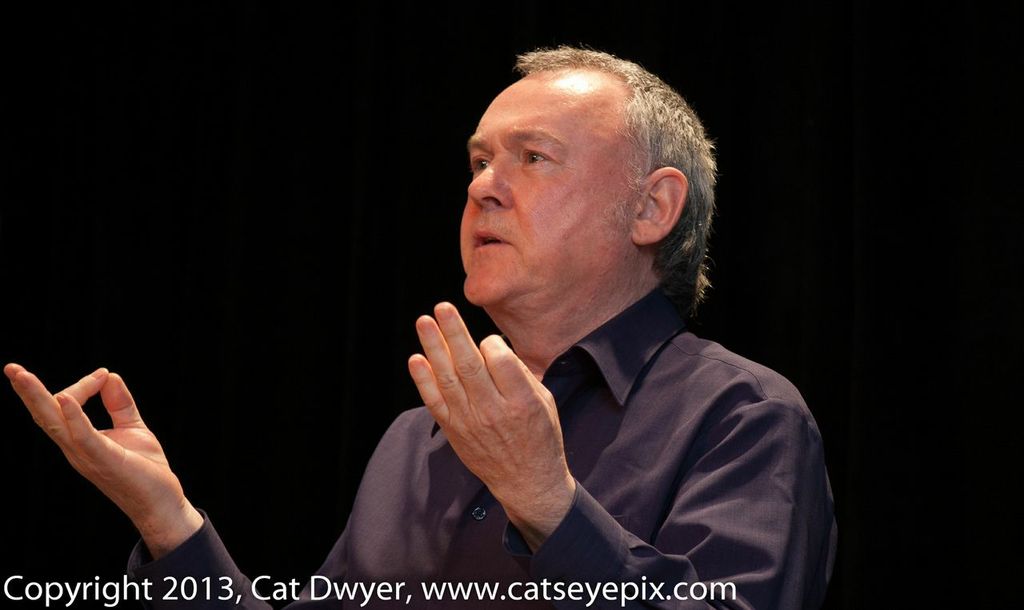
Ellen Scarsella
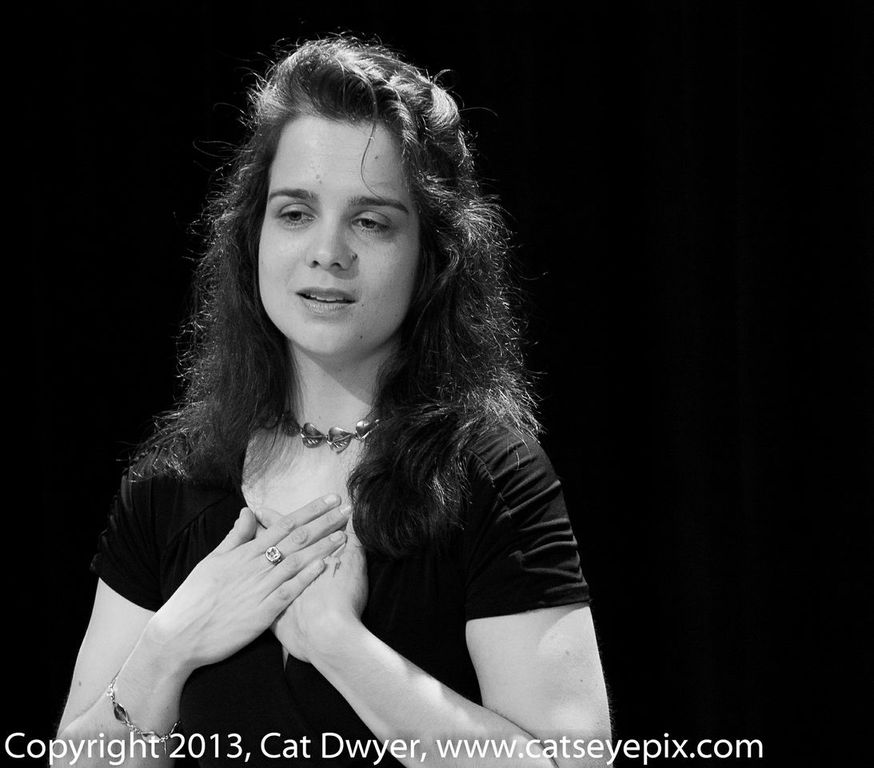
Cat Dwyer’s photos taken at the Artists Without Walls’ Showcase, The Cell Theatre, 2/26/12. The names of those pictured appear below the photo.
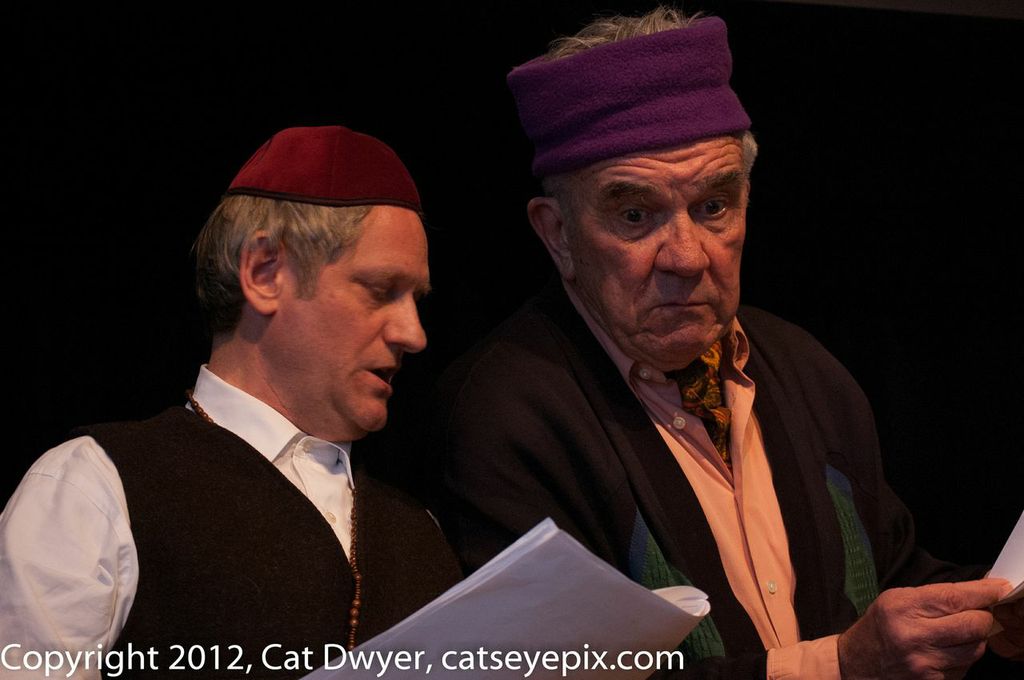
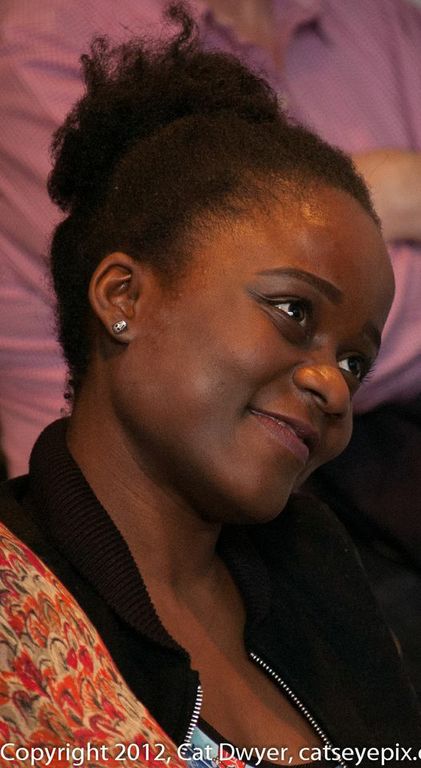
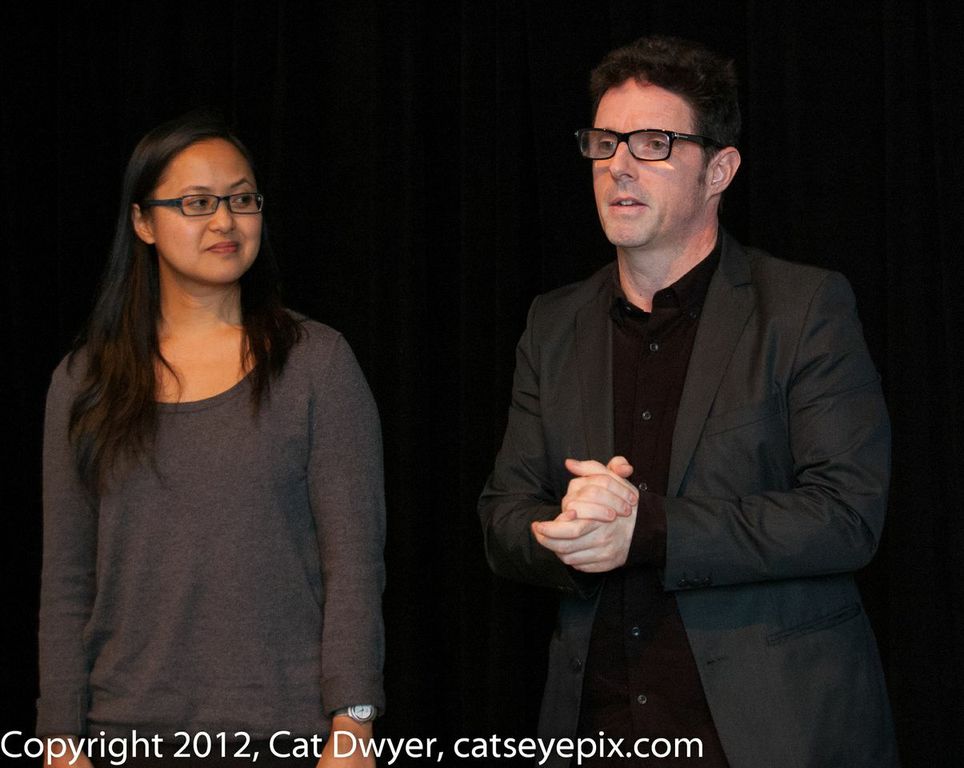


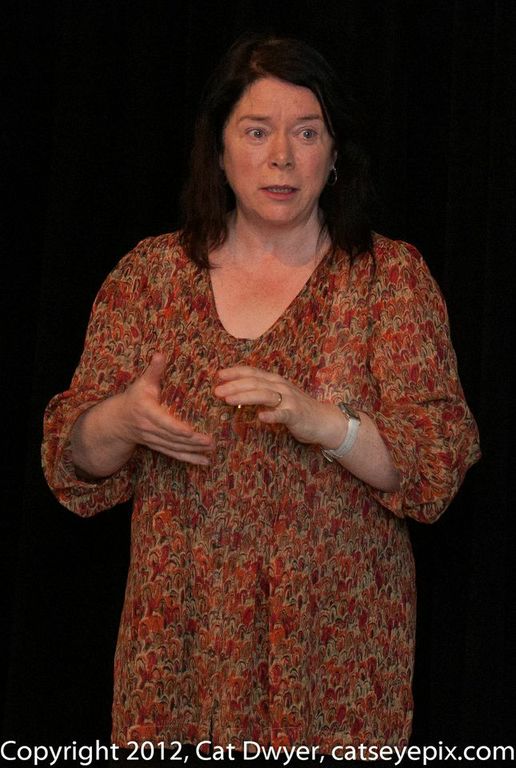
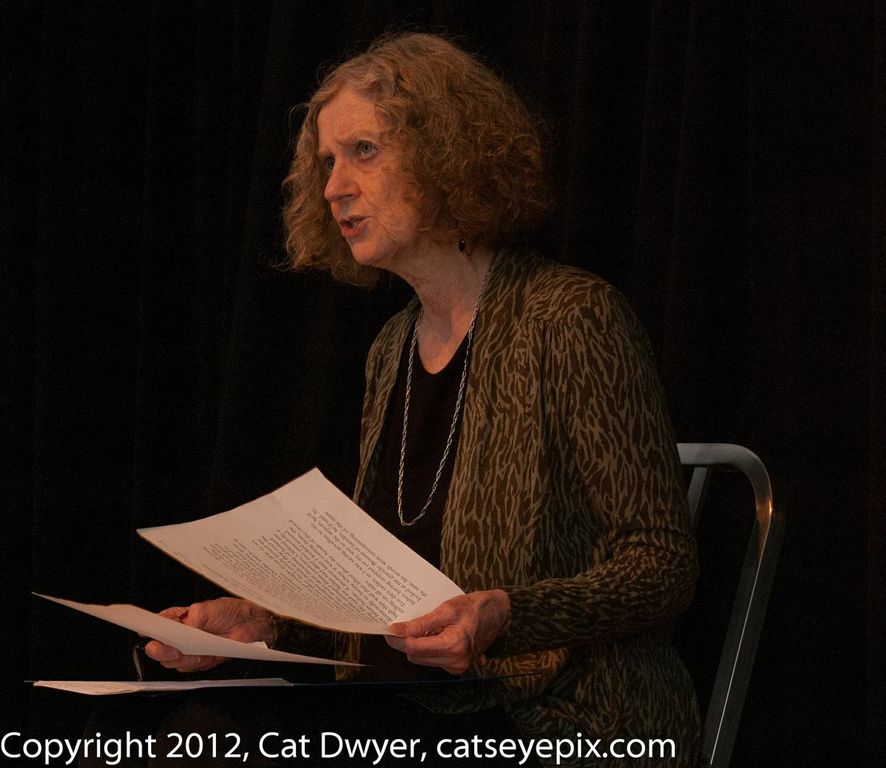
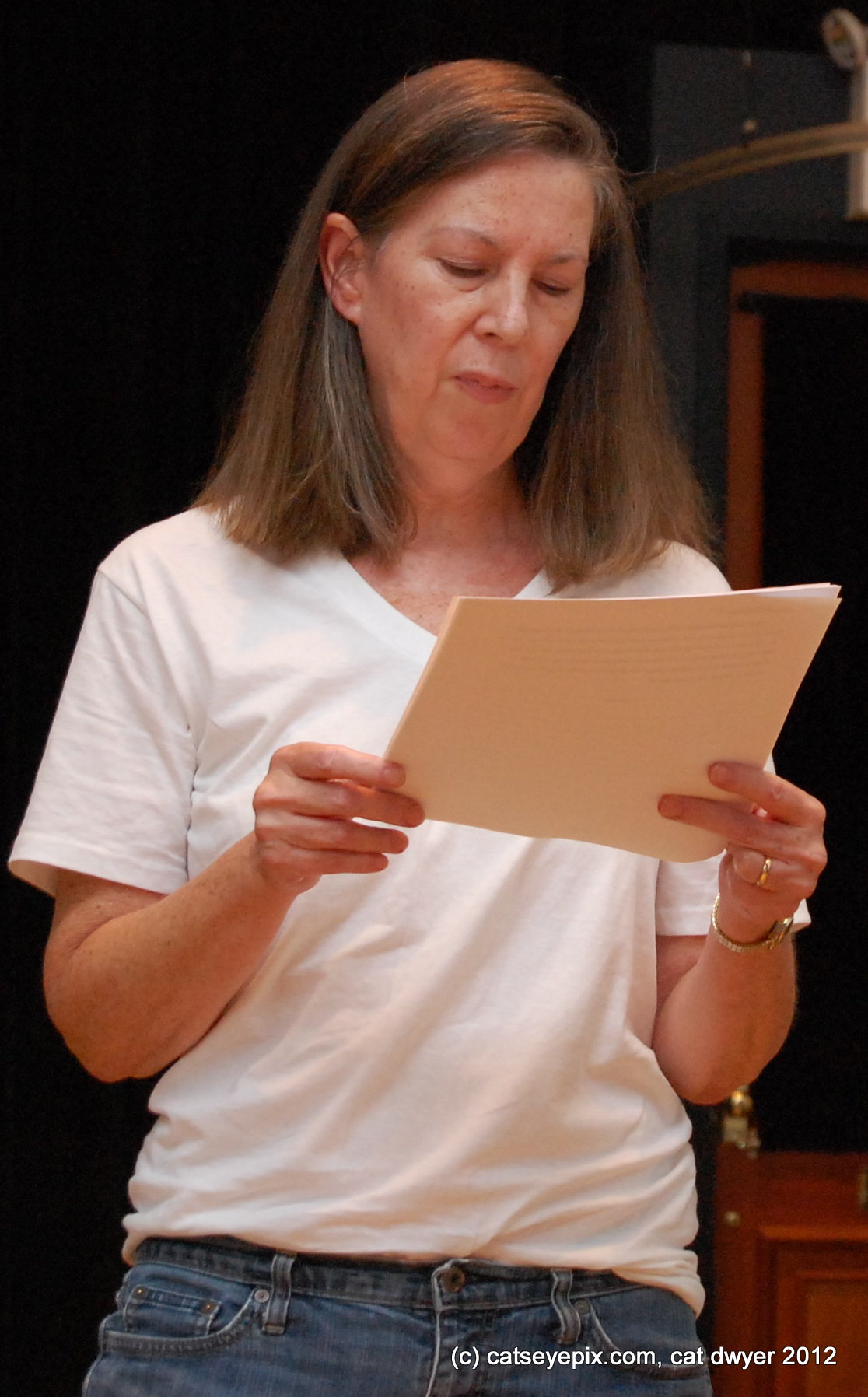
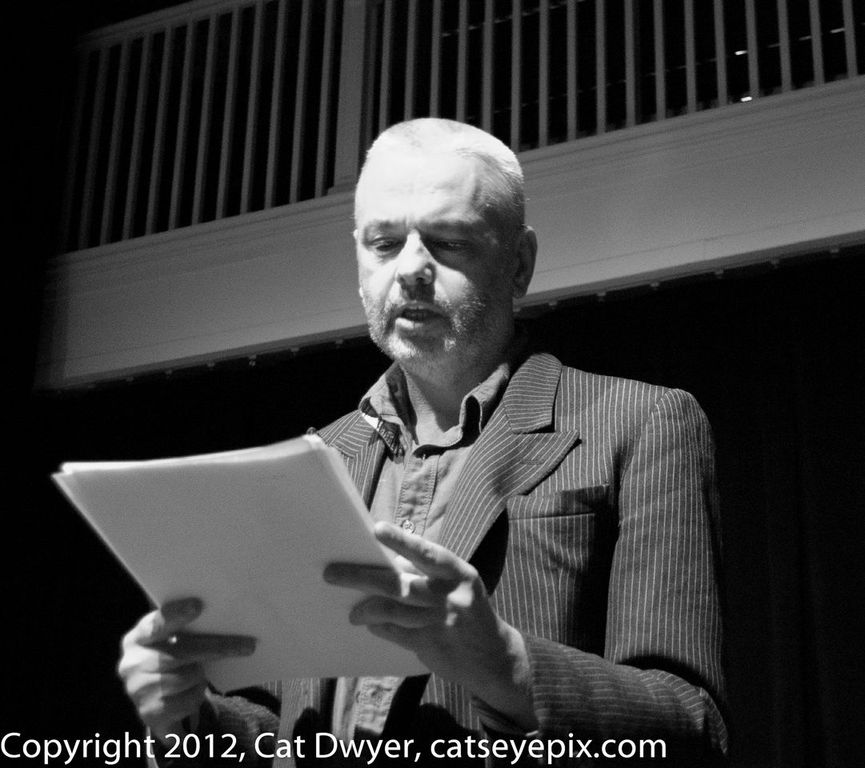
Jack O’Connell lamenting to Mr. Tumulty the neighborhood’s transformation from upscale to “Desolation Row.”
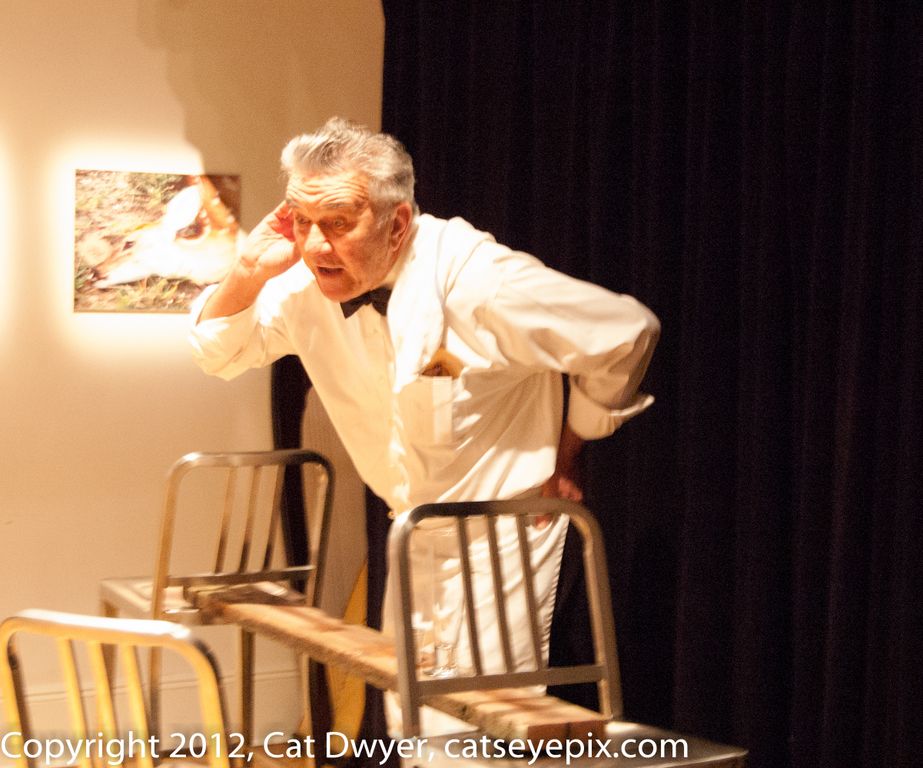
Marni Rice presenting “Have You Seen My Son.”
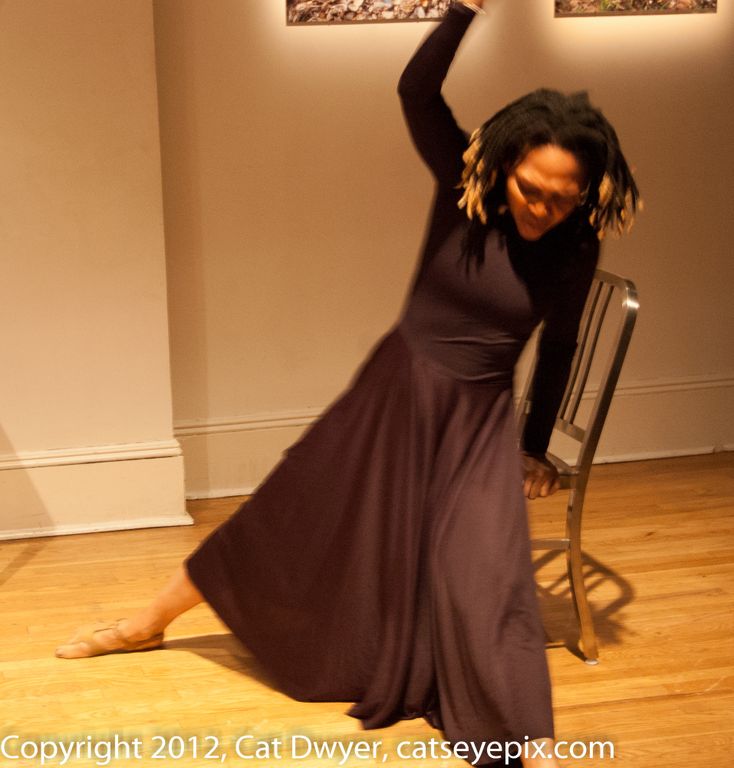
Dancer/choreographer Xio Evans is the director and founder of The Experimental Dance Theater of Puerto Limon.
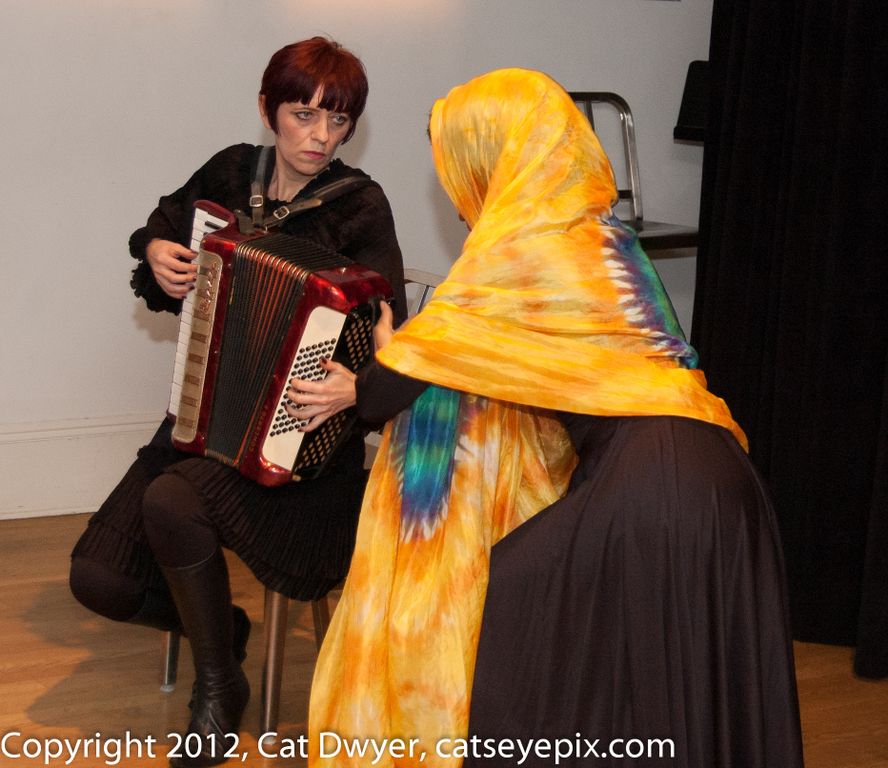
Marni Rice and Xio Evans
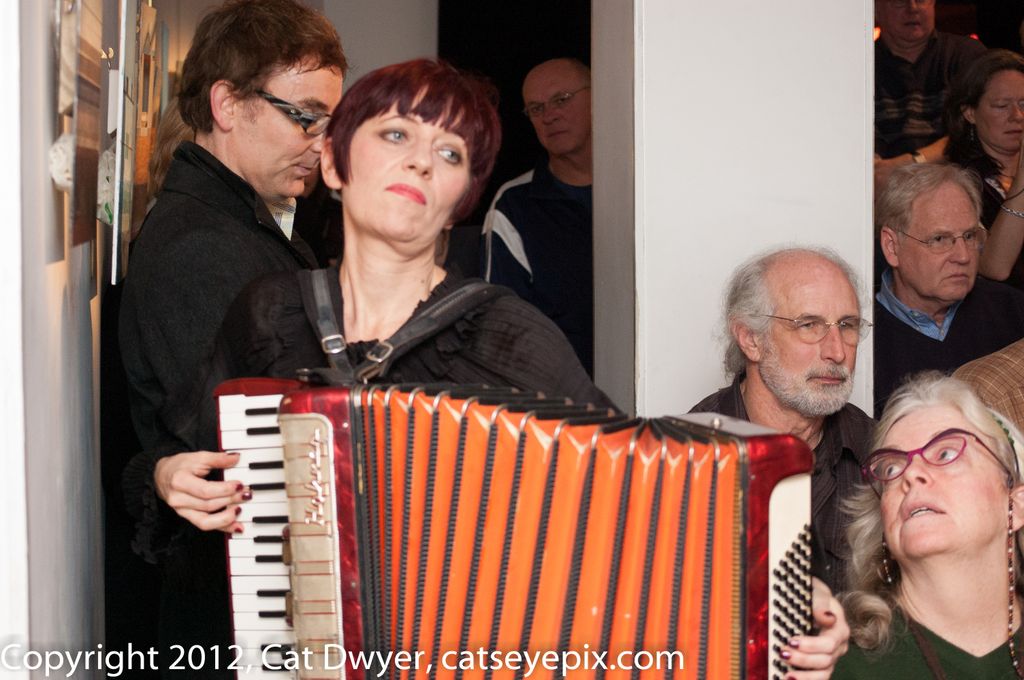
Playwright/novelist Honor Molloy reading Samuel Beckett
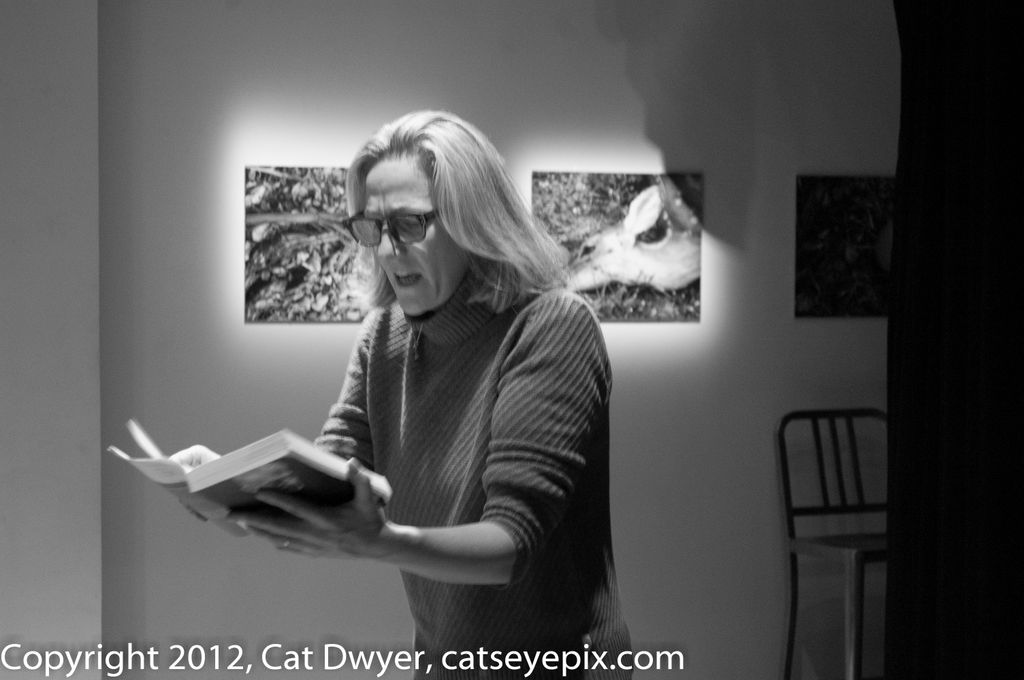
“Highway Star” Billy Barrett kicked off the evening.
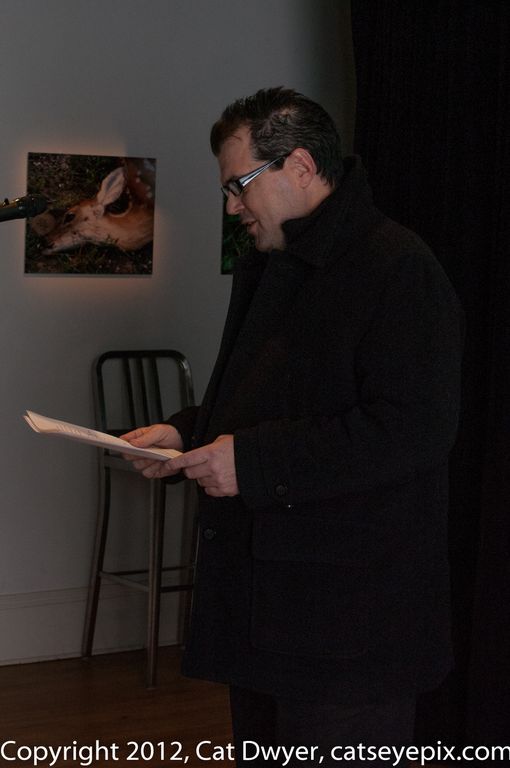
Tara O’Grady and Niamh Hyland closed the evening. Here Tara sings “Summertime,” Billy Holiday style.
Lewis Hine was best known for his use of photography as a means to achieve social reform. His camera became a powerful means of recording social injustice and labor abuses. In 1904 Hine photographed the thousands of immigrants who arrived at Ellis Island. Hine came to realize that he could use his camera for both educational purposes and social reform.

In 1908, Hine then turned his efforts to investigating and photographing child-labor abuses, both in factories and on the streets. Hine was comfortable talking with children and would attempt to get as much information as possible regarding their living conditions, the circumstances under which they were forced to work, and their names and age.

Through his photographs, Hine was able to inspire social change. His photos documenting the horrid conditions under which children were employed, made real the plight of these children. This led to the passage of child labor laws.

Hines was also well known for his photos of the building of the Empire State Building. Hine photographed the workers in precarious positions while they secured the iron and steel framework of the structure, taking many of the same risks the workers endured. In order to obtain the best vantage points, Hine was swung out in a specially designed basket 1,000 feet above Fifth Avenue. Of the many photographs Hine took of the Empire State Building, “Icarus Atop Empire State Building” became his most popular. To this day, one thing has always baffled me, particularly considering our modern day world in which everyone has his or her fifteen minutes of fame: The steelworker in this iconic American photo remains unidentified.