REVIEW of "RISE UP SINGING: WOMEN IN THE LABOR MOVEMENT"

“Eloquent writing, beautiful voices, charismatic performers who connected with each other — it was an inspired evening.” Justine Blau, author of “Scattered: A Mostly True Memoir,” after attending “Rise Up Singing: Women in the Labor Movement” at Lehman College.


On Tuesday night, The City & Humanities Program, in conjunction with the CUNY Institute of Irish American Studies and the Department of African American Studies at Lehman College, presented writer/creator Charles R. Hale and a brilliant cast of Artists Without Walls’ members in “Rise Up Singing: Women in the Labor Movement” a multi-media event incorporating storytelling, film, photographs and music.


Jack O'Connell
Jack O’Connell

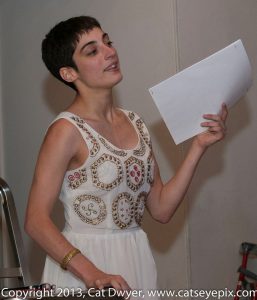
The evening began with Honor Finnegan’s rousing performance of Jack Hardy’s “Aint I A Woman,” a song borne of Sojourner Truth’s speech on gender inequalities. Actor Jack O’Connell followed with an introduction in which he quoted author John Steinbeck: “We learn a great deal about people by listening to their music. Listen to their songs, for into the songs go the anger, fears and frustrations, the hopes and aspirations.”  


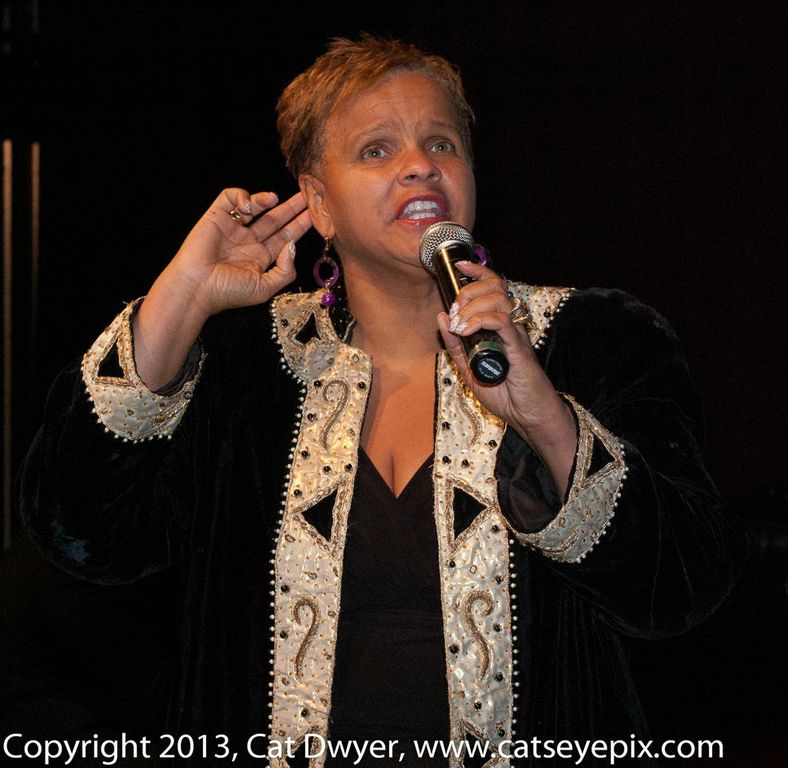
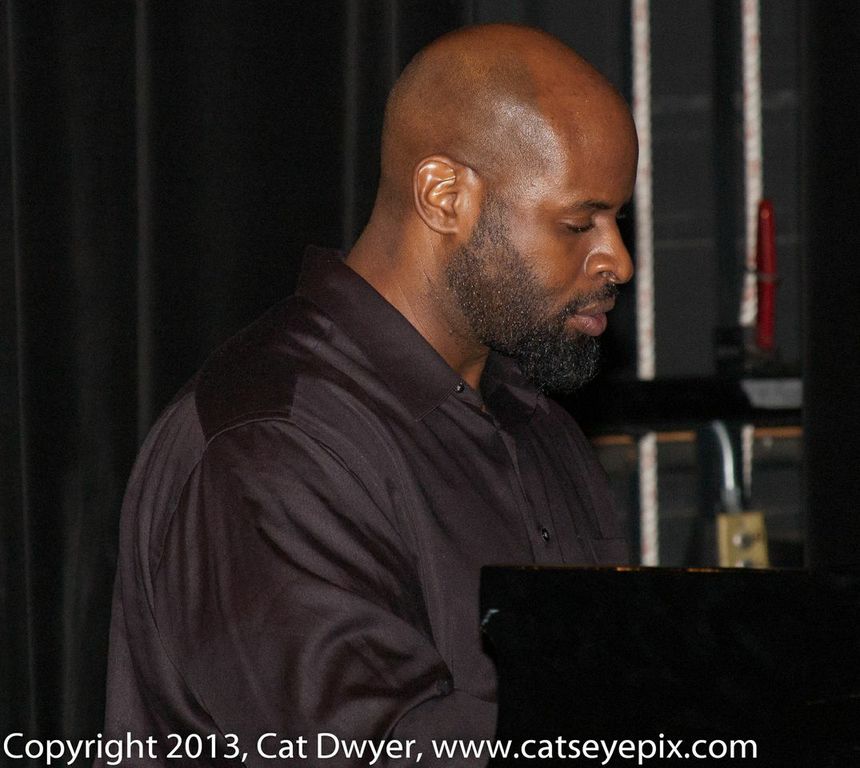
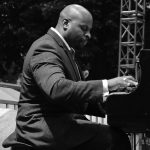
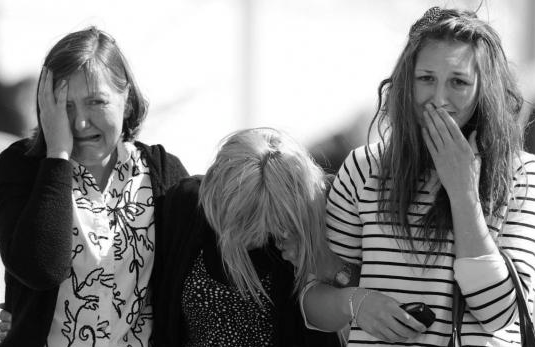
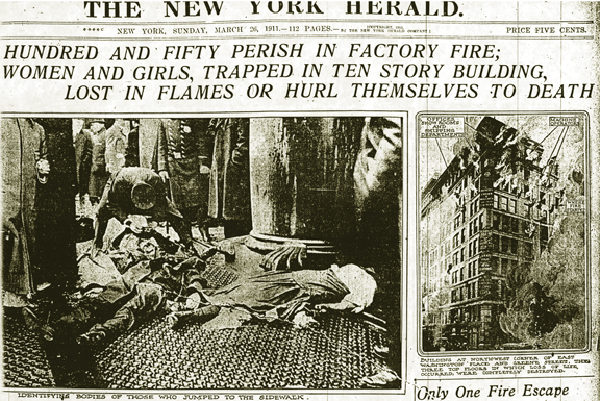
Throughout American history, activists have adapted the lyrics from spiritual songs and applied them to various causes. Singer Antoinette Montague and pianist Sharp Radway followed a short story, accompanied by photos, of the deadly 1911, New York City, Triangle Shirtwaist factory fire, with an inspired rendition of “We Shall Not be Moved,” a American folk song whose lyrics date back to slave era.  One-hundred-forty six women, mostly young immigrants, lost their lives at the Triangle factory fire.


Vincent Cross
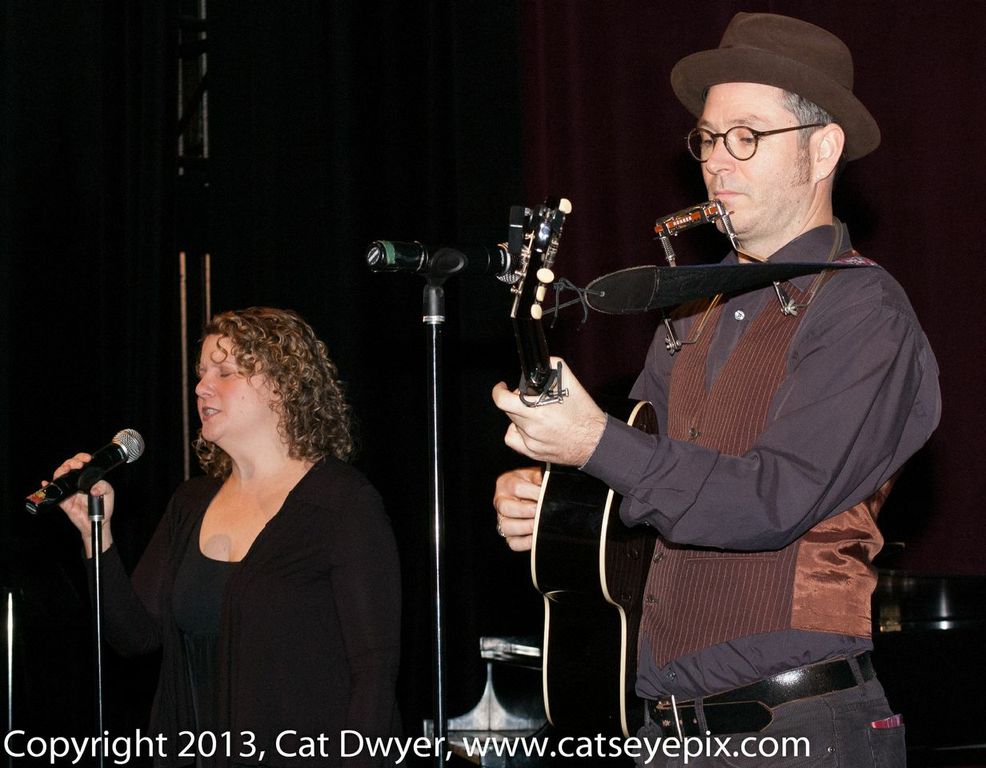
Vincent Cross

A year after the Triangle fire, striking women mill workers in Lawrence, MA were surrounded by the threat of physical harm. They continually sang “Bread and Roses,” a poem written by James Oppenheim, put to music. Honor Finnegan and guitarist Vincent Cross gave rise to the spirit of that event with an intense performance of “Bread and Roses.”


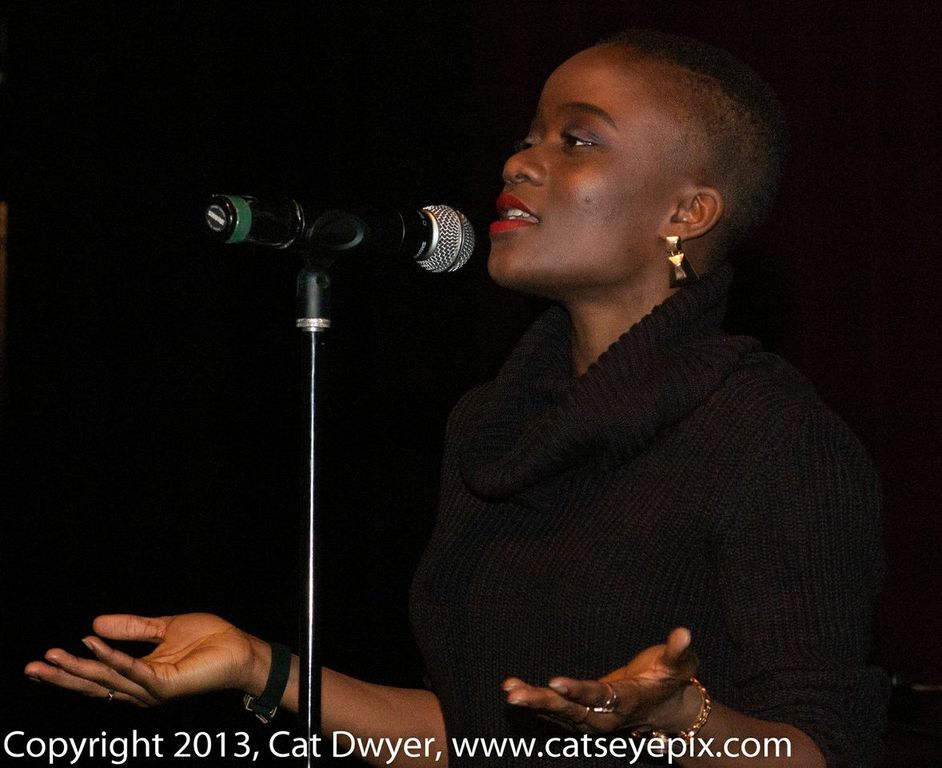
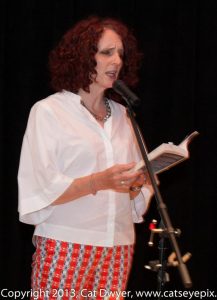
Following the Civil War, racial prejudice kept African American women working in jobs such as cooks, maids and laundresses. Spoken word artist Koro Koroye presented a poem that she wrote, called “The Sickness of Freedom,” which poignantly describes the difficulties faced by African American women, many of whom were slaves and daughters of slaves, in the post Civil War era. 
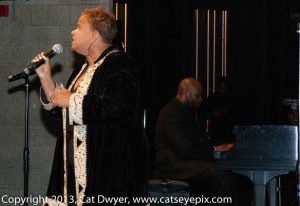
 

Antoinette Montague and Sharp Radway

Woody Guthrie was an American singer-songwriter whose musical legacy includes hundreds of songs about the experiences of the poor and oppressed. Woody’s song “1913 Massacre” is one of the most powerful interpretations of the Calumet, Michigan tragedy in which seventy-three people, mostly striking miners’ children, were trampled to death on a staircase during a Christmas Eve party. Vincent Cross evoked the spirit of Calumet and Woody with a stirring rendition of Woody’s tune. 


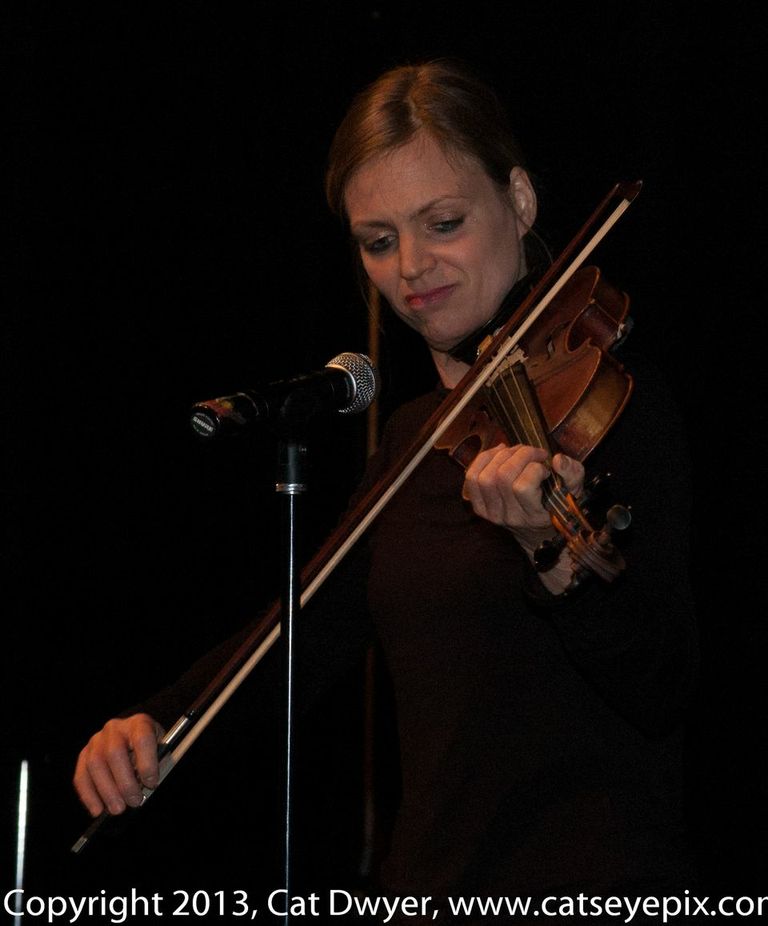
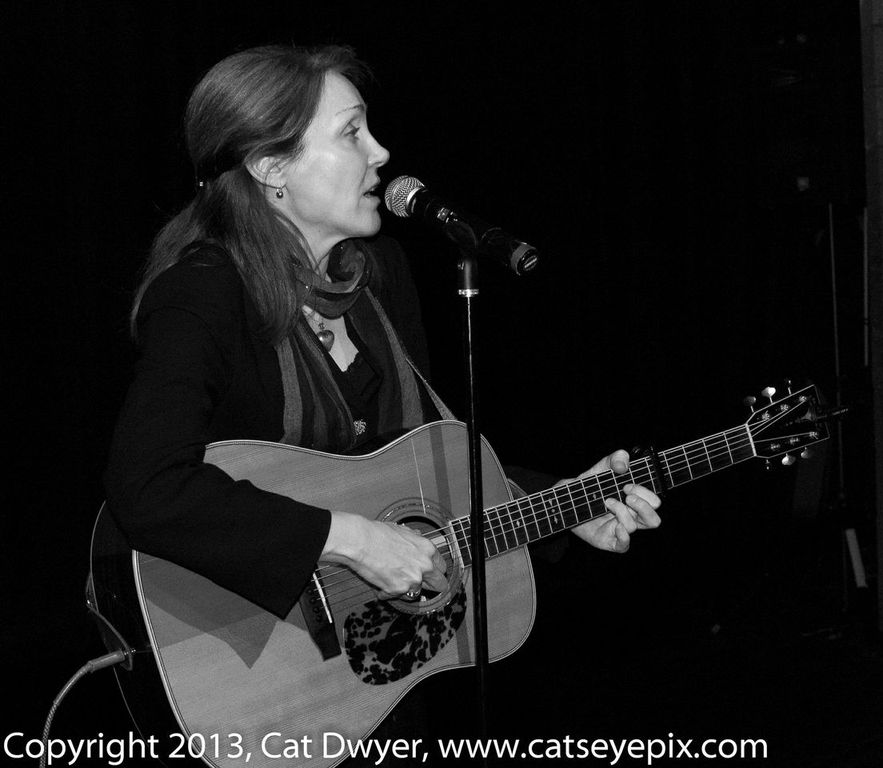
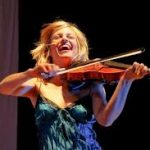
Women have written a number of “workers” songs. One of them, Diana Jones, performed two songs she’s written, the heartbreakingly tender “Henry Russell’s Last Words,” in which she was beautifully accompanied by violinist Annette Homann, and “I Told the Man.” Each song tells the story of miners trapped hundreds of feet below ground, writing farewell notes to their families.


Annette Homann and Diana Jones

In the summer of 1968 six miners were trapped for 10 days in a cold, flooded mine in the Appalachian hills of West Virginia.  Jeanne Richie wrote a song from a wife’s viewpoint called “West Virginia Mine Disaster.” Honor Finnegan sang and performed from the perspective of a trapped miner’s wife and Jack O’Connell played the trapped miner who describes the horror of the experience. The back and forth between Finnegan and O’Connell was exceptional and one of the evening’s many spectacular performances. 
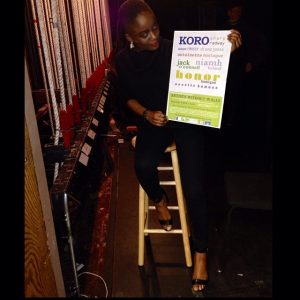
 

Koro Koroye
Koro Koroye

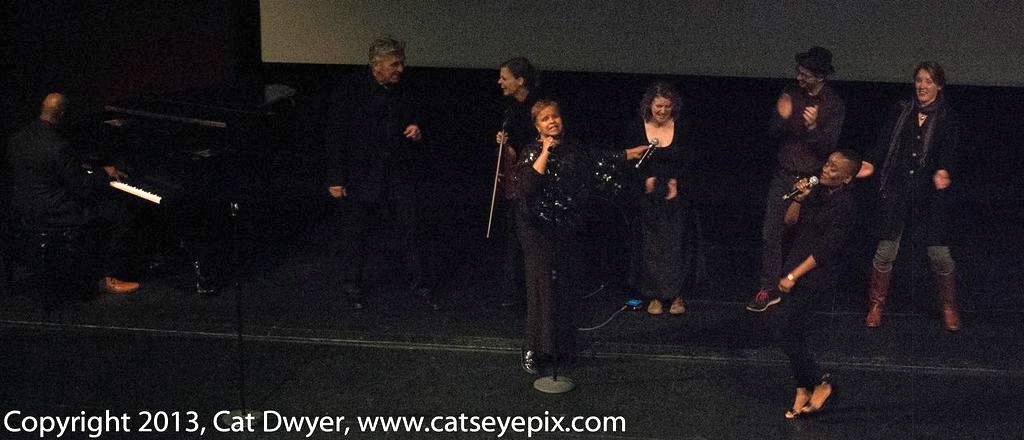
Addie Wyatt, who became the first African American woman to retain a high position in an international union, couldn’t do enough for people.  She was born into poverty in Mississippi in 1924 and grew up in Chicago during the depression. When Addie was a child she played piano for her church choir…she even sang with the great gospel singer Mahalia Jackson.  Addie’s life was marked by “getting over” indignities such as discrimination and prejudice. Koro’s poem “Praise,” speaks to the pain of Addie’s setbacks but ends triumphantly with the words “I prayed until I got over.” This was a perfect lead-in to final tune of the evening, “How I Got Over,” which was popularized by Mahalia Jackson. Singer Montague, pianist Radway, violinist Homann and Koro combined to create a unique and rousing ending to the show.


Photos by Cat Dwyer. 
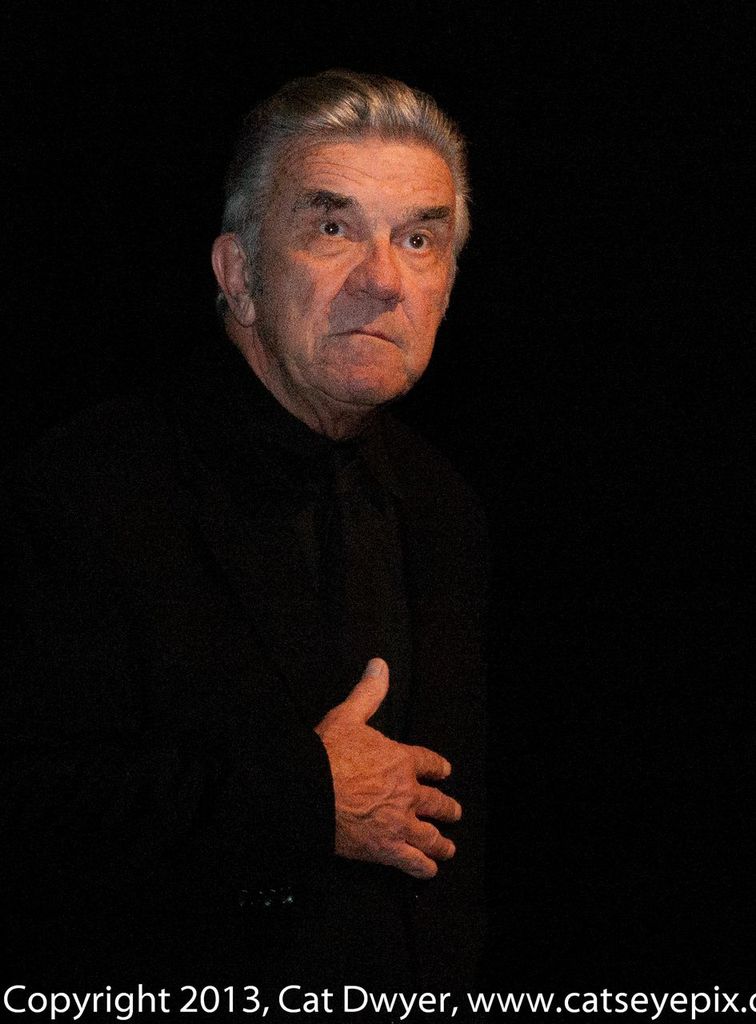


CAT DWYER'S PHOTOS OF "RISE UP SINGING: WOMEN IN THE LABOR MOVEMENT" at LEHMAN COLLEGE

Cat Dwyer’s photos from Charles R. Hale’s “Rise Up Singing: Women in the Labor Movement,” presented this past Tuesday at Lehman College. 


Jack O’Connell

QsnEp4J_Af_rWesV8NXVZZ0v34-Kos5Y8citpHpEKK8

Antoinette Montague

_fWXZNQ6GRNaNdT2Cu9TWLjdpcXKAhjAJgjX22Bbiac

Honor Finnegan and Vincent Cross

006cAaasJd3_95NDCacrZ0Xc9MfmhxH2chPVMAvTrkQ

Koro Koroye

5uz_x-6BBYlpZdN9VDQehgYOeTJN5bE8HouVgZ0Pl9A

Annette Homann

LnMxzn6_4RQzXRJlXPUBAuCX0B0aJORLppUD5l-lIM0

Diana Jones

_xxW1nQz-HTIWExmPI5f5kEKkUrpAxGUIOLeYbu96DA

Sharp Radway

ZaaV1dwHH6uI5I1-gJGB65c1T8u7y3M7Oe_ReArXGCw

Sharp Radway, Jack O’Connell, Annette Homann, Antoinette Montague, Honor Finnegan, Vincent Cross, Koro Koroye and Diana Jones

_1sqr3Lr9lZ7JU3BmtPnIAYSGJQBcq3Y4xssCEmgx88

"RISE UP SINGING: WOMEN IN THE LABOR MOVEMENT" at LEHMAN COLLEGE, DECEMBER 3RD

Jack O'Connell
Jack O’Connell

In 1776 Thomas Jefferson wrote: “ We hold these truths to be self evident that all men are created equal.” What he could have written is “We hold these truths to be self evident that ‘all white male land-owners are created equal.’” Women didn’t have a place at the table. They didn’t even have the right to vote until the 19th amendment was ratified in 1920.


Koro Koroye
Koro Koroye

After the Civil War ended in 1865, cities opened up opportunities for women. They not only broke barriers in the work force but they participated in public protest.


Diana Jones
Diana Jones

And often, at the heart of the protest were songs–some began as poems—but whether a song’s lyrics or a poem, what was often expressed was the struggle of timeless demands for respect and the hope for a better life.


Vincent Cross
Vincent Cross

John Steinbeck said, “We learn a great deal about people by listening to their music. Listen to their songs, for into the songs go the anger, fears and frustrations, the hopes and aspirations.”


Antoinette Montague
Antoinette Montague

Come enjoy the music of Woody Guthrie, Mahalia Jackson, Diana Jones and others.  Listen to the songs that united workers and became anthems for the Labor Movement on Tuesday, December 3rd, 7pm, when Lehman College presents Charles R. Hale’s “Rise Up Singing: Women in the Labor Movement,” a multimedia show, which will be performed in The Lovinger Theater, 250 Bedford Park Blvd, Bronx, NY.


Niamh Hyland
Niamh Hyland

Joining Charles will be a great cast of talented performers including, Honor Finnegan, Jack O’Connell, Koro Koroye, Vincent Cross, Antoinette Montague, Diana Jones, Annette Homann, Niamh Hyland and Sharp Radway.


Sharp Radway
Sharp Radway

There will be a reception immediately following the show.


Honor Finnegan
Honor Finnegan

Directions


By Train:


IRT No. 4 or the IND “D” line to Bedford Park Boulevard. The campus is a three-minute walk to the west. For more information about subway service to the Lehman campus, call the New York City Transit

Annette Homann
Annette Homann

Authority at (718) 330-1234. Metro North’s Harlem line has a local stop at the Botanical Gardens station. The campus is about 12 blocks due west on Bedford Park Boulevard. Call Metro North for information about fares and schedules (212) 532-4900.


By Car: http://www.lehman.edu/about/maps-and-directions.php


ARTISTS WITHOUT WALLS' MEMBERS and FRIENDS ON THE TOWN: WEEK OF 10/6

NIall McKay
Niall McKay

Today, Sunday, is the last day of “Irish Film New York. ”  AWoW members can buy discounted $10 tickets (normally $12) for any of the films included in the festival by using the promotional code: OFIG. For more information on the critically acclaimed films, its director Niall McKay, and to watch trailers and buy tickets click here. 


———-

 ———-


Deni Bonet
Deni Bonet
Deni Bonet will be playing solo violin on a piece with a wonderful ballet company called BALLETS WITH A TWIST, at Stage 48, 605 West 48th St., NYC, Monday 8pm. Click here for their website.  Click here to a link for tickets ($25) and a description of the event.  
———-
———-
Charles R. Hale
Charles R. Hale


Charles R. Hale will present a series of videos that highlight the role of women and song in the labor movement. This event is co-sponsored by the CUNY Institute For Irish American Studies. Located in The Studio Theater at Lehman College, 250 Bedford Park Boulevard West, Bronx, NY. October 10, 12 Noon to 1:30.

———-
———-
Cynthia Neale
Cynthia Neale


Author Cynthia Neale and actress Joanna Rush will both be in Chicago at iBam on Saturday Oct. 12 and Sunday Oct. 13. On Saturday Cynthia will be lecturing from 1:15 to 2:00: A Writer’s Journey With an Irish Famine Girl.  From 2:15 to 3:15 she will be a panelist for New Perspectives on The Irish Famine with Tim Pat Coogan, Owen Rodgers and Maurice Fitzpatrick. On Sunday, Oct. 13th Cynthia will repeat her Saturday lecture from 1:00 to 1:45. Cynthia will be selling her three books throughout the weekend at the authors’ table.  

Joanna Rush
Joanna Rush

Joanna will performing thirty minutes from her show, “Asking For It” and sharing a book table with Cynthia at the festival. Click here for the link to the theater page for details and performance times. 


———-
———-
Honor Finnegan
Honor Finnegan

Honor Finnegan will be performing with Aviv Roth at The John Street Jam on October 12th.  The doors open at 6:45, music starts at 7:30The John Street Jam is located in the Dutch Arms Chapel at 16 John Street, Saugerties, NY. Tickets are $5. Click here for info.


MUSIC: GREAT LIVE PERFORMANCES (MALES)

Some musicians shine in the studio but don’t quite have what it takes live and on stage.  Here are some male performers who could/can do both.  Women to follow shortly. 


FLY ME TO THE MOON/FRANK SINATRA


Who and what is “cool”?  That reminds me of Supreme Court Justice Potter Stewart’s comment about pornography and obscenity: “I know it when I see it.”  What’s “cool”? Watch this.  Sinatra was so at ease with himself, so subtle.  A flick of his head, a slight movement of his shoulders,  a swinging style and a great storyteller. 


TUPELO HONEY/VAN MORRISON


Some of Van Morrison’s performances move me like no other artist.  Listen to this one, which includes an incredibly inspired solo by saxophonist Pee Wee Ellis. 


TO BE LOVED/LONELY TEARDROPS/ ALONE AT LAST JACKIE WILSON


Before there was Michael Jackson there was James Brown and before Brown there was Jackie Wilson. Known as Mr. Entertainment, Wilson could dance and sing like few others.  Here, Wilson’s brilliant multi-octave tenor is on display. 


TRY A LITTLE TENDERNESS/OTIS REDDING


Otis Redding was a major figure in soul and R and B during the early and mid-sixties. First recognized for his soulful and highly energized live performances, Redding soon became a major recording artist. His last hit, Dock of the Bay, was recorded a few days before his death in late 1967 and released in early 1968.  Redding died in a plane crash at the age of twenty-six.  Here’s Otis and “Try A Little Tenderness” performed during one of his fabulously successful European tours. 


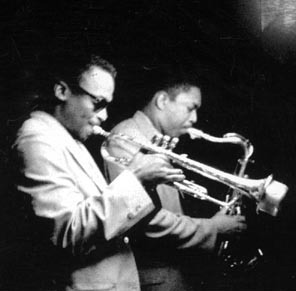
SO WHAT/MILES DAVIS AND JOHN COLTRANE


In the mid-fifties Miles Davis lead a small band, which included the young saxophonist, John Coltrane. Their music changed the course of jazz.  In this video both are featured in “So What” a song from Miles’ seminal album Kind of Blue. The best selling jazz album of all time is also, arguably, one of he most influential musical works ever produced. While Miles and Trane made incredible music there were times when Miles would become impatient with Coltrane’s lengthy solos. Coltrane would respond to Miles exasperation with, “I don’t know how to stop ,” to which Miles would respond, “Just take the effin horn out of your  mouth.”


NESSUN DORMA/LUCIANO PAVAROTTI


And what was the best live performance I ever attended? Not even close. Listen to this now popular video of Luciano Pavarotti.  Adults, dressed to the nines, were standing on their seats, cheering. Never saw anything like it.  It still raises the hair on my arms when I listen to it. 


Davis


Written and compiled by Charles R. Hale.

WOMEN, SONG AND THE LABOR MOVEMENT, PART IV: "WEST VIRGINIA MINING DISASTER"


John Steinbeck said, “We learn a great deal about people by listening to their music. Listen to their songs, for into the songs go the anger, fears and frustrations, the hopes and aspirations.”


I have created a series of videos that highlight the role of women in the labor movement. Each video portrays an event and includes a song that is related to the event or to the labor movement in general.  


The subjects of this video, the fourth in the series, are the 1968 West Virginia mine disaster, a miner’s wife and the song “West Virginia Mine Disaster.” 


Charles R. Hale

Picture-11

WOMEN, SONG AND THE LABOR MOVEMENT, PART III: "HARLAN COUNTY COAL WARS"


John Steinbeck said, “We learn a great deal about people by listening to their music. Listen to their songs, for into the songs go the anger, fears and frustrations, the hopes and aspirations.”


I have created a series of videos that highlight the role of women in the labor movement. Each video portrays an event and includes a song that is related to the event or to the labor movement in general.  


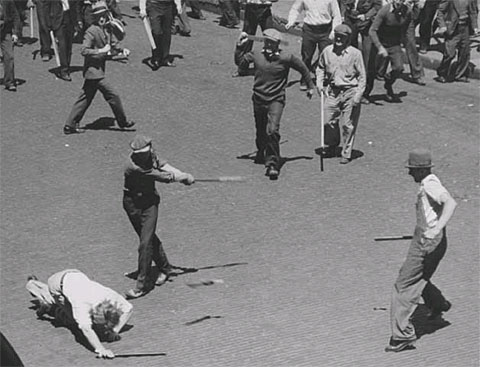
The subjects of this video, the third in the series, are the Harlan County Coal Wars, Florence Reece and the song, “Which Side Are You On?”


Charles R. Hale


a27-1934-down-480

WOMEN, SONG and the LABOR MOVEMENT II: THE 1912 LAWRENCE, MA TEXTILE STRIKE


John Steinbeck said, “We learn a great deal about people by listening to their music. Listen to their songs, for into the songs go the anger, fears and frustrations, the hopes and aspirations.”


I have created a series of videos that highlight the role of women in the labor movement. Each video portrays an event and includes a song that is related to the event or to the labor movement in general.  


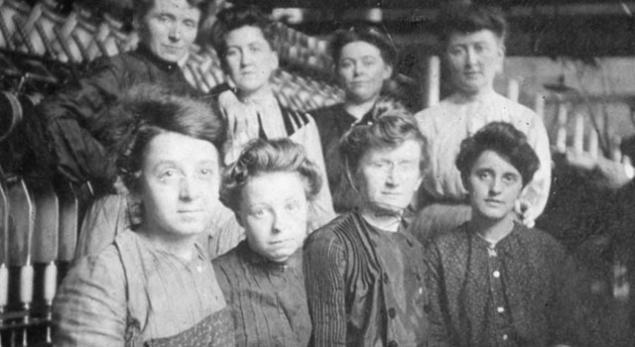
The subjects of this video, the second in the series, are the 1912 Lawrence, MA textile strike, the women mill workers and the song, “Bread and Roses. “


Charles R. Hale


millwomen


ELECTRIFYING PERFORMANCES AT ARTISTS WITHOUT WALLS SHOWCASE, 7/31/13


Nadia Parvez Manzoor

“I can’t stop rewinding last night in my mind! What an incredible cast of talent, surrounded by an audience in awe. A truly magical evening. Thanking you over and over.” Barbara O’Connell


With a brilliant sense of comedic timing and heart, Nadia Manzoor kicked off the evening with a hilarious segment from her one woman show, Dirty Little Paki. Nadia’s segment featured both the aspirations of a five year old and the cultural limitations faced as a woman.  Her story of a Pakistani girl facing the dichotomy of a strict Muslim upbringing in free-spirited London is both universal and intensely personal.  I first saw Nadia performing in Brendan Connellan’s Pompa Pompa earlier in the year and just as her humor, intelligence and charm shone through then, it did so again on Wednesday night.


Eimear O'Connor
Eimear O’Connor

Dr. Eimear O’Connor followed Nadia and held the audience rapt with a slide presentation that featured the art of Irish born Sean Keating. The art teacher you always wanted, Eimear presented a picture of Keating, his projects, his expansive career and his overtly political paintings with an ease and wit that brought Keating’s work to life. Sean Keating: Art, Politics and Building the Irish Nation is a book that is richly illustrated with over 200 color paintings, sketches, and photographs, and the definitive work on this hugely respected, yet controversial Irish artist. 


Maggie O'Farrell
Maggie O’Farrell

Best selling author and award winning novelist Maggie O’Farrell, whose most recent award was the Costa Novel Award in 2010 for The Hand That First Held Mine, gracefully read from her latest novel Instructions for a Heat Wave, the story of a family that is falling apart and coming together and the truths about who they really are. Earlier, Maggie said, “I’ve always been interested in how extreme weather affects behavior.” Maggie combined that interest with an interest in dyslexia and her own life long stammer to develop her novel’s main character, Aoife. 


Deni Bonet and Charles R. Hale

Incorporating humor and edginess, violinist Deni Bonet dazzled the audience with her breathtaking virtuosity. Beginning with “Last Girl on Earth” from the CD with the same title, Deni moved into a sizzling violin solo called the “Goddamn Violin Solo,” so called, as Deni laughingly said, “For lack of a better name.” Deni concluded with a foot stomping, rocking “Alone.” Deni will be playing every Tuesday in August at the Garcia’s Club at the Capitol Theater in Port Chester, NY.  The show is called “A Tribute to Old and in the Way”. 


Pamela Herron
Pamela Herron

Pamela Herron began the second half of the evening with a dance, a very moving, untitled, Butoh solo that she performed with a grace and intensity that echoed throughout the space. She dedicated the piece to the healing of an artist she has been collaborating with since 2009, Jogyo (aka/ Dru Barnes) who recently suffered a brutal attack that took his left eye. Enthralling, heart wrenching, and spectacular.


Liv Mammone
Liv Mammone

Poet Liv Mammone is a vivacious young voice that will be heard on the New York performance poetry circuit for years to come. Using her background as a novelist, she uses various characters, including Venus de Milo, a fictional gangster, and a certain part of her own anatomy, to provide insight into what she calls “all the million ways one must be moved; the changes we make on our migrations through the world.” Her poems were titled “Venus de Milo answers a Tumblr Feminist,” “Elegy for James Darmody,” and one of the funniest poems imaginable, the laugh out loud “Vagina Resigning.”


Brendan Connellan
Brendan Connellan

Playwright Brendan Connellan ended the evening dipping into crazed, frenetic prose, racing through some fresh and fun thoughts on his visit to Japan. Brendan touched on scraping away calf muscles, Perry blasting his cannons at Japan’s gates, foreigners being welcome but only if they leave quickly and Joseph Stalin turning out to be a friend with benefits. 


The next Artists Without Walls Showcase at The Cell will be on August 27, 7pm. For more info on becoming a member of Artists Without Walls write to info@artistswithoutwalls.com 

WOMEN, SONG AND THE LABOR MOVEMENT: THE 1909 SHIRTWAIST STRIKE AND THE TRIANGLE SHIRTWAIST FIRE


John Steinbeck said, “We learn a great deal about people by listening to their music. Listen to their songs, for into the songs go the anger, fears and frustrations, the hopes and aspirations.”


I have created a series of videos that highlight the role of women in the labor movement. Each video portrays an event and includes a song that is related to the event or to the labor movement in general.  


The subjects of this video are the 1909 Shirtwaist Strike or 1909 General Strike, Clara Lemlich and Rose Schneiderman and the song, “We Shall Not Be Moved.”


Charles R. Hale


Triangle-Fire